BY ANDY WALGAMOTT, NORTHWEST SPORTSMAN MAGAZINE
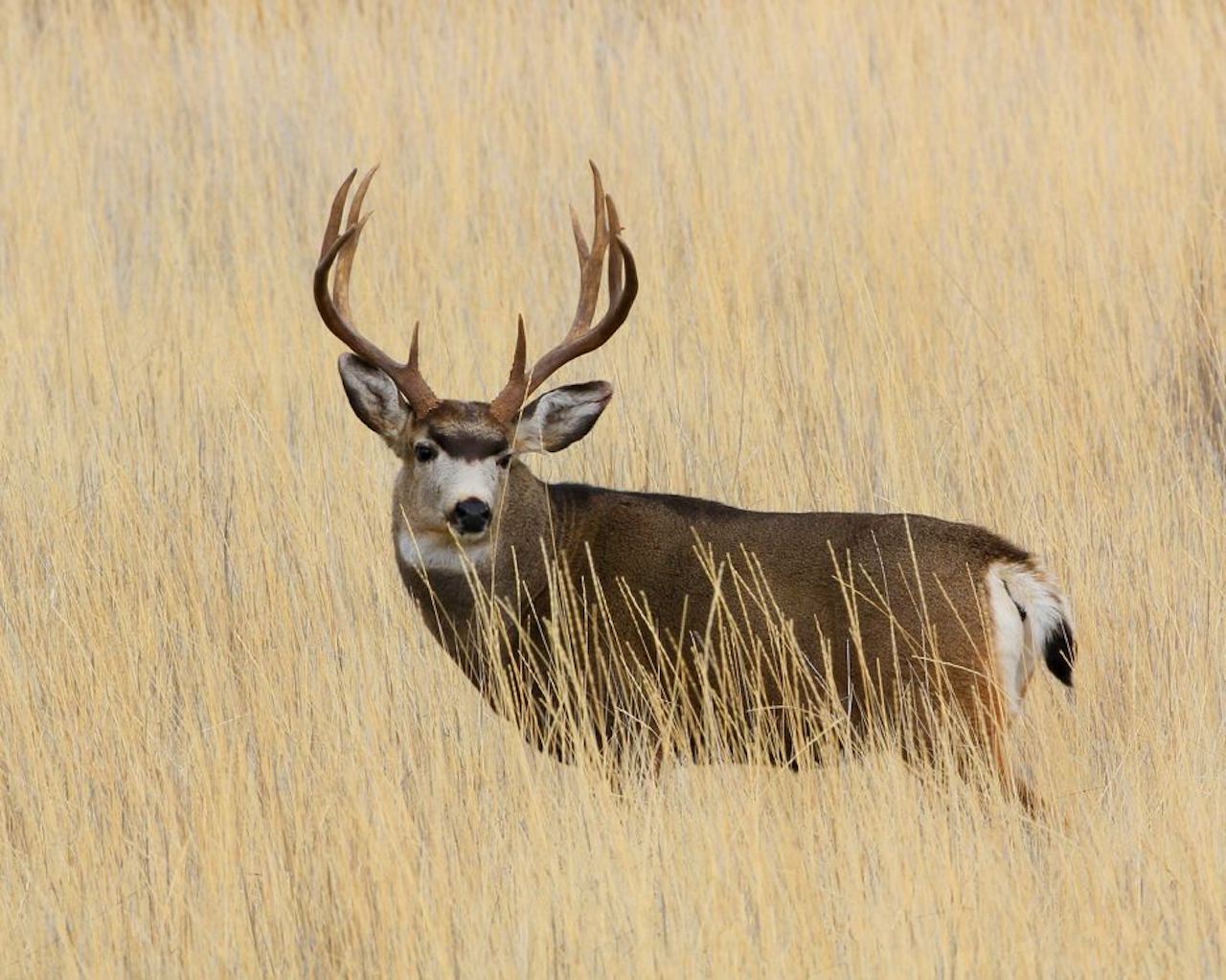
The biggest event on the Northwest deer hunting calendar is just about here, the start of October’s rifle seasons, and prospects range from good in much of Southwest Washington, Southwest Oregon and Idaho to average – that great wildlife biologist catchall – to poor in spots.
By and large, deer herds have had it easy during recent winters, especially 2025-26’s, leading to improved buck, doe and fawn survival, and large portions of their ranges have also been refreshed by wildfires and subsequent regrowth.
But some herds have also been hit by disease outbreaks that compounded losses suffered during previous dieoffs, leading to depressed harvest and success rates and poorer hunting prospects this season.
These days, getting the scoop on herd health is just one of several things deer hunters need to double-check before heading afield. There’s also access.
Summer saw a record wildfire season in Oregon, where 2.5 million acres burned, and the second worst season on record in Washington, which had 900,000 acres scorched. At press time, notable chunks of the Mount Hood, Okanogan-Wenatchee, Umatilla and Fremont-Winema National Forests remained closed in the aftermath of the blazes, even as portions of the Ochoco and Malheur National Forests had also just reopened, underlining the fluid situation.
Meanwhile, giant global investment companies continue switching to leases or permits to hunt private timberlands formerly open to the public for free, including recently in portions of Northeast Oregon and Northeast Washington. (See the April and May issues for how it’s gone down in Southwest Washington.)
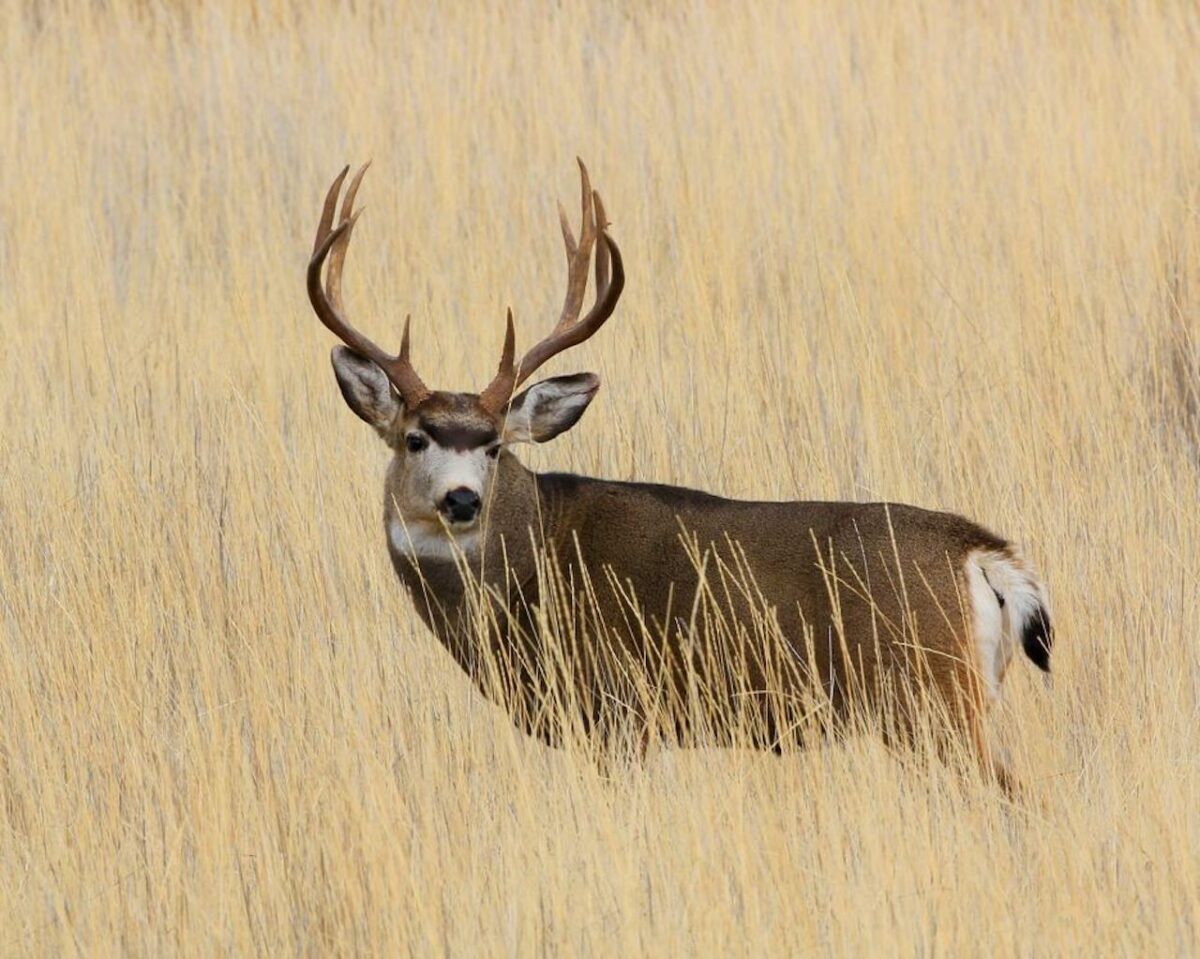
Central and Eastern Oregon deer hunters should also remember this is year one of big changes with controlled tags. The wildlife management units of yore are out and in are new “deer hunt areas” that better correspond to actual muley ranges. Most unit boundaries were redrawn and many DHAs have subunits that correspond to the new individual tag areas, so don’t just assume that where you’ve taken bucks in the past you can legally bag one this year.
In Washington, a similarly seismic change is stewing. Last summer, managers took comment on restricting hunters to just one species of deer. It remains to be seen if the proposal moves forward to rule-making for future seasons.
As for more concrete matters to also be aware of, this is a reminder about the still new-ish testing, transportation and gear restrictions now in place and meant to slow the spread of chronic wasting disease.
CWD, the always-fatal deer family disease, has been confirmed in deer and elk south of Lewiston, Idaho, and deer north of Spokane and Bonners Ferry, Idaho, but none thankfully so far in Oregon, though it’s only a matter of time. Despite what you may have read from some dude on the internet, managers’ and hunters’ best hope is to keep CWD prevalence low, so bone up on the rules in place (Washington, Oregon, Idaho) to help keep our big game herds healthy.
And there are new technology rules in place this season in Idaho, including a ban on cellular game cams – the ones that can transmit images or videos straight to your devices – on federal, state and local government land between August 30 and December 31.
OK, now that that paperwork is out of the way, let’s get into the specifics of what to expect this season, based on recently issued forecasts from Washington, Oregon and Idaho hunting managers and biologists.
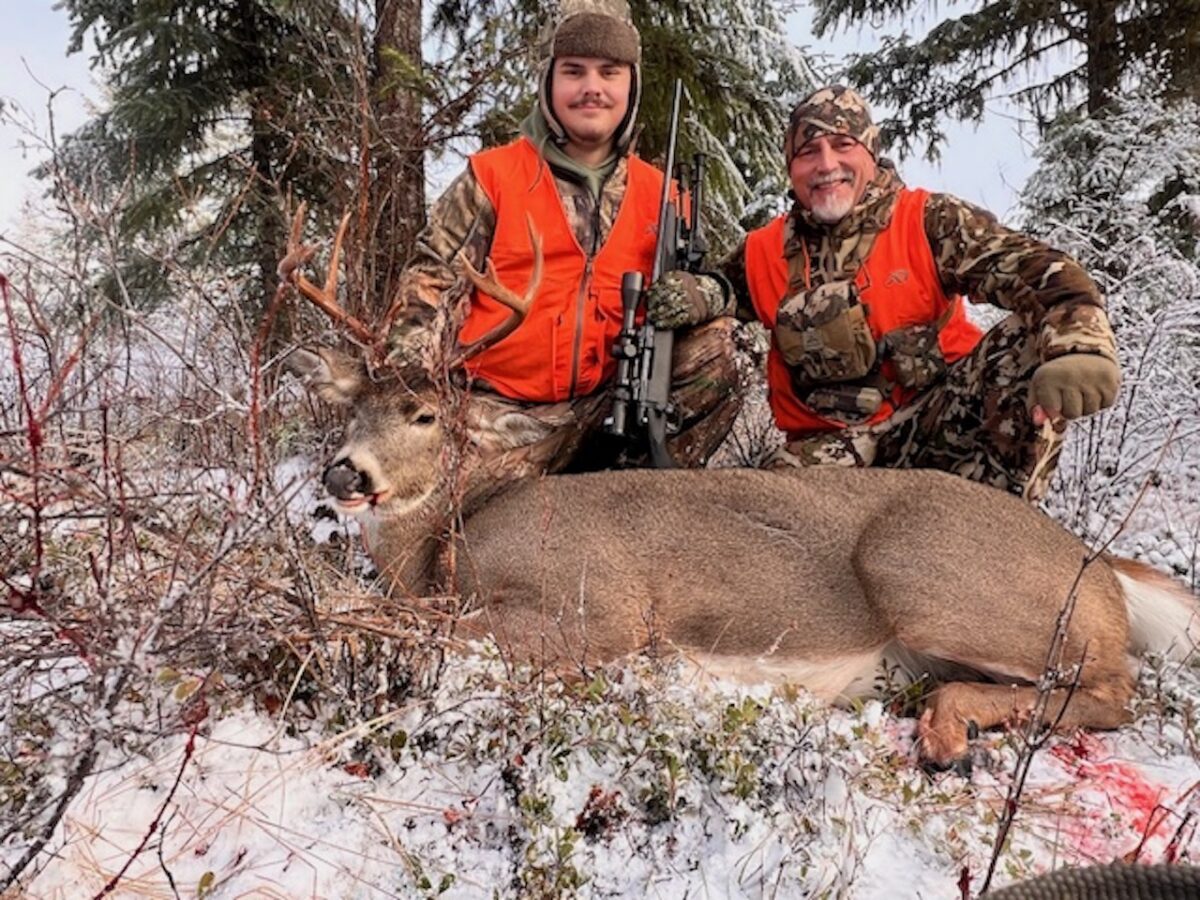
WASHINGTON
Colville District
The good news in Washington’s northeast corner? This ain’t 2025.
Deer hunting in the state’s whitetail heartland has fallen on tough times the past decade due in part to hemorrhagic disease outbreaks in 2025, 2021 and 2015. While last year’s dieoff wasn’t as bad as the previous two and appeared to have been mostly focused in the Colville Valley, deer harvest still dropped in all units relative to both 2024 and the three previous seasons.
The new CWD bait ban may have also played a roll in reduced harvest and hunter success. There’s also all those furry fangers running around, and Highway 395 and other routes aren’t exactly becoming less traveled and safer for a deer species that makes a living in well-roaded, farm-and-woodlot-filled lowlands either.
“However, the 2025/26 winter was mild in the valley bottoms, and overwinter survival was likely high. Therefore, if no large-scale disease outbreaks occur prior to the hunting seasons in 2026, we expect the white-tailed deer population to slowly increase and harvest trends to remain stable or slightly higher than in 2025,” write Annemarie Prince and Healani Johnson, the Washington Department of Fish and Wildlife district and assistant district biologists for the region, in their annual hunting forecast.
Harvest here remains focused on whitetail bucks (some mule deer are around, mostly in the Sherman and western Huckleberry Units), as no antlerless tags are offered, a rule change in place since 2019 as WDFW struggles to rebuild the herd.
Northern-tier game management units – Kellyhill, Douglas, Alladin – plus Huckleberry have tended to require the fewest days per deer harvested in recent years, from 20 to 30. Until last year’s slip, Huckleberry routinely produced annual kills over 1,000 deer. Will it return to that level? It may be less likely since Manulife put five large blocks of land in the popular unit into permit or leases in 2025.
Speaking of access, at press time all of the Colville and Idaho Panhandle National Forests and WDFW and state Department of Natural Resources lands here were open without restriction.
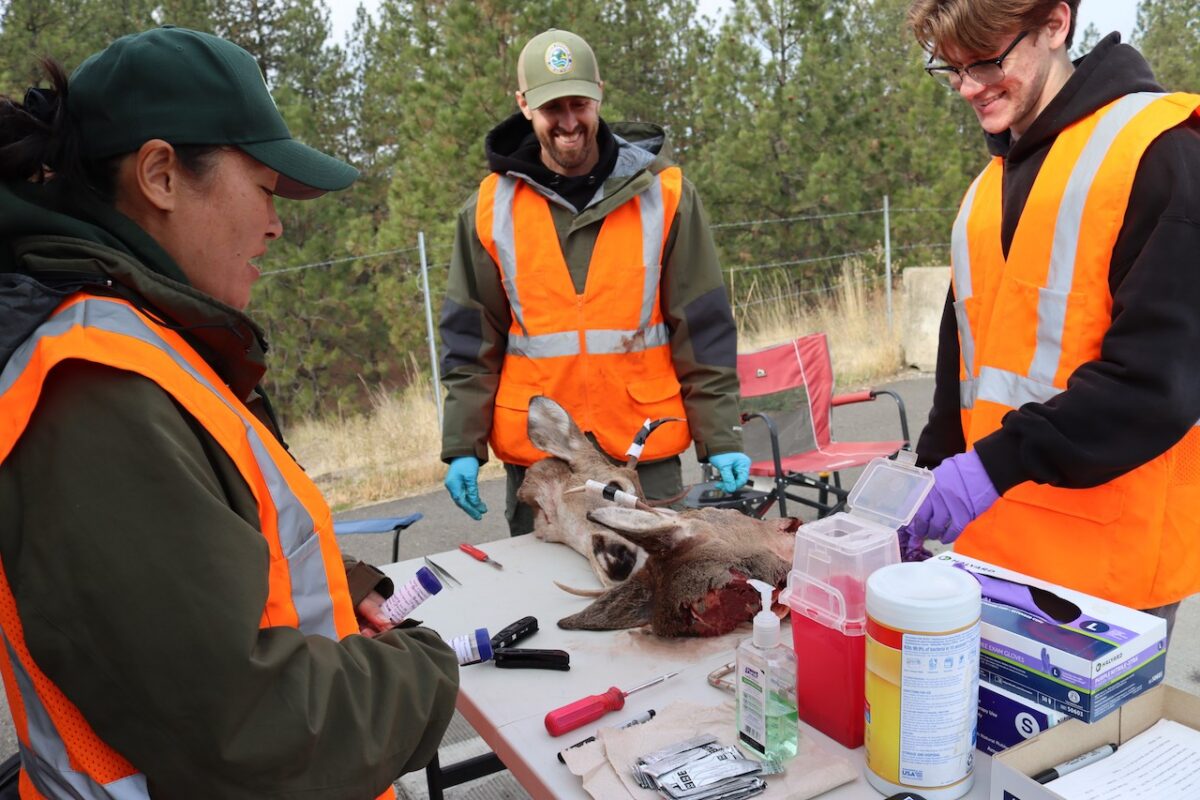
Note that in WDFW’s Region 1, which includes Northeast Washington, all successful hunters are required to submit a CWD sample from their deer (or elk or moose) within five days of the kill. That can be done at manned check stations during rifle seasons, dropping a sample at a collection station, setting up an appointment at a WDFW office or with the Inland Northwest Wildlife Council, or by mail. Since 2024, eight deer harvested or collected dead in Spokane and Pend Oreille Counties have been confirmed to be CWD positive, per WDFW. For more info, go to wdfw.wa.gov/species-habitats/diseases/chronic-wasting.
Okanogan District
Mule deer trends in this fabled hunting landscape are “stagnant” over the past five years, with fawn production a bit below the long-term average, overwinter survival at the norm and buck harvest relatively flat, according to biologist Scott Fitkin.
He reports in his district hunting prospects that last year’s general season harvest of 1,934 deer, including 1,873 bucks, was essentially the same as 2024’s kill and about 50 animals below the five-year average.
Still, a count of 83 fawns per 100 does in December 2024 “likely means there will be more 21/2-year-old bucks” this fall, though last year’s postseason ratio of 17 bucks per 100 does also means “slightly fewer older bucks than average.”
Fitkin says recent years’ burn scars were expected to have produced “good summer forage and supporting deer numbers.” Bucks may linger late in those pastures, depending on how good their forage remains, but there will likely be local deer to hunt lower down if the migratory animals haven’t budged towards their winter range.
“Overall, deer harvest and hunter success rates are expected to be a bit higher than last year and about the same as the five-year average,” the biologist forecasts.
Pogue Unit riflemen have been enjoying the district’s best success rates at 25 percent on average the past five seasons, while the popular East Okanogan Unit sees the most deer harvested by far and away. Pearygin is a distant second in terms of kill and number of hunters on average the past half decade, but success rates there are also among the lowest in the district.
As of press deadline last month, there was a “full recreational closure” of DNR’s Loomis State Forest due to the Sinlahekin Fire, which burned more than 166,000 acres. A big sliver of Okanogan-Wenatchee NF lands just to the west were also closed.
Wenatchee District
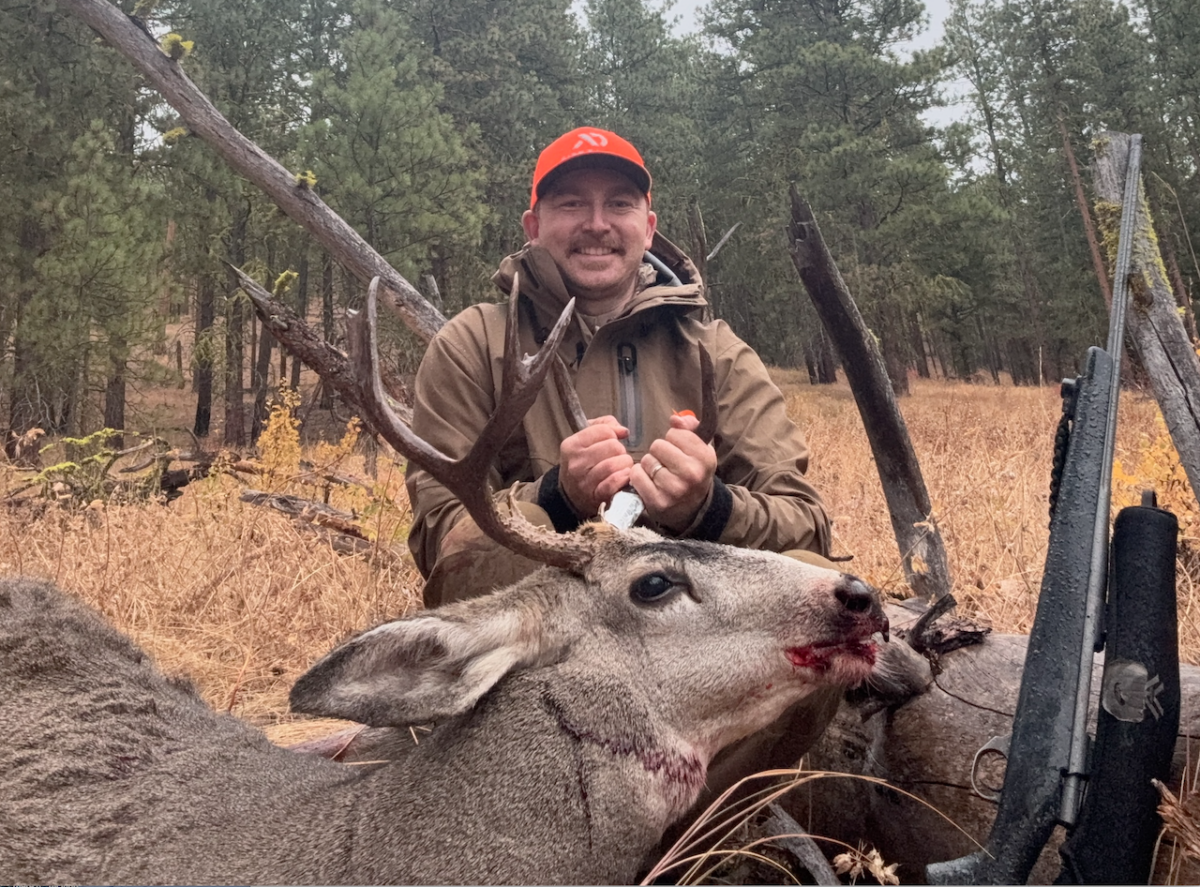
Harvest in Chelan and Douglas Counties has been on the decline since 2020’s recent peak and was just 1,072 deer last year, a disturbing trend, though success rates for modern firearms hunters have at least been steady the past three falls, and there are actually decent signs for this season on the west side of the Upper Columbia.
Biologists Emily Jeffreys and Johnna Eilers point to fewer riflemen working the former county’s forests and mountains and the latter county’s breaks and wheatfields, lower herd productivity due to drought and no more antlerless ops for late-season archers, among other reasons for the decline in kill. Looking ahead, their 2026 forecast is also a bit grim. They note that due to heat and lack of snow, bucks tend to stay in the Cascades, and given long-range forecasts, that probably will happen again this fall.
“This will likely contribute to harvest and success levels similar to those experienced by modern firearm hunters in 2022-2025, with archery and muzzleloader success continuing to surpass that of modern firearm,” they write.
On the flip side, Jeffreys and Eilers say that past fires have at least primed the landscape for better forage production, and they advise checking out the Manson Unit on the north side of Lake Chelan, where harvest saw a “significant increase” in 2024 that continued into 2025; focus on areas of forage recovering from the uplake Pioneer Fire.
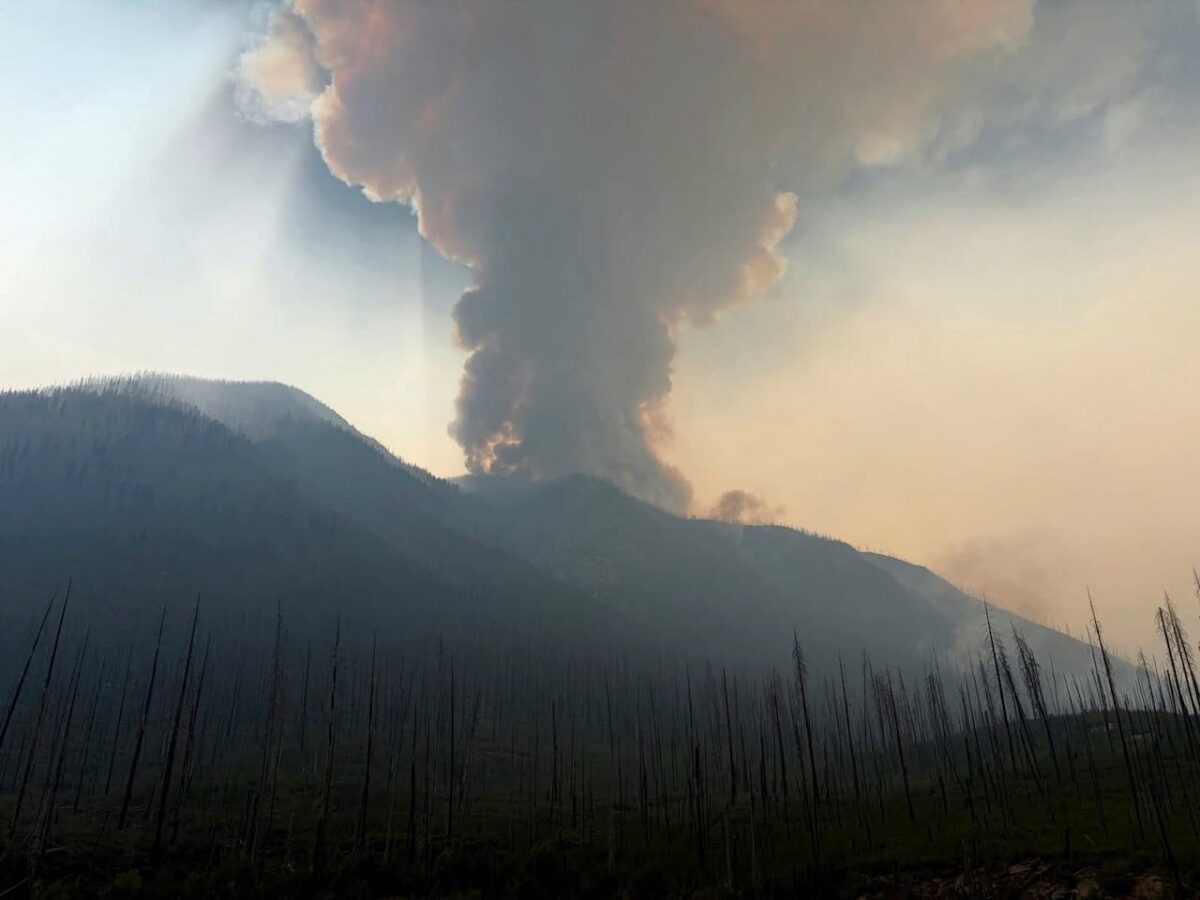
And you should absolutely take note of this one: Where the Swakane Unit northwest of Wenatchee saw a “stark decline” in hunters last year due to the Lower Sugarloaf Fire, regrowth there and with the huge Little Giant Fire deeper in the mountains, harvest here “should significantly improve in 2026, and hunters may even experience success higher than the preceding several years,” the bios say.
At press time, national forest managers had closed their lands in the upper portions of the Swakane and Entiat Units and much of the Chiwawa and Slide Ridge Units.
To the south, things look bright as well.
“The high buck:doe ratio recorded for the Mission GMU (251) in 2024 and the large Labor Mountain Fire that burned through here last fall should make for a promising hunting season here, as well,” Jeffreys and Eilers say about this big mountain unit bordering Kittitas County.
The news is less great across the Upper Columbia in Douglas County. Last fall’s posthunt ground survey found 19 bucks for every 100 does, about seven daddy deer below the five-year average, while ground-based fawn counts were again “low” at 44 per 100 does. Aerial surveys pegged the herd at 10,744 deer, “a nearly 10 percent decline” from a 2022 survey and around 30 percent lower than 2018.
“This continued drop in fawn:doe ratios and significantly lower abundance estimate in 2025 over the preceding years’ surveys is cause for ongoing concern, particularly when paired with reports of hunters and landowners seeing fewer deer in many of the Douglas County GMUs in recent years. Several factors are likely at play here, chief among them probably poor fawn recruitment due to a lack of quality forage from prolonged drought and extensive wildfires in recent years,” the biologists write.
It’s possible, they say, that the county’s herd “has never recovered” from 2016-17’s winterkill.
Best advice? Secure access to private lands. Rank sum ratings, which use harvest, hunter numbers and success rates, peg the Withrow and Badger Units as best in recent years, but Big Bend, Saint Andrews and Moses Coulee are more productive in terms of kill, plus they all feature fair amounts of public land in otherwise agland-heavy Douglas County.
Other Eastside Districts
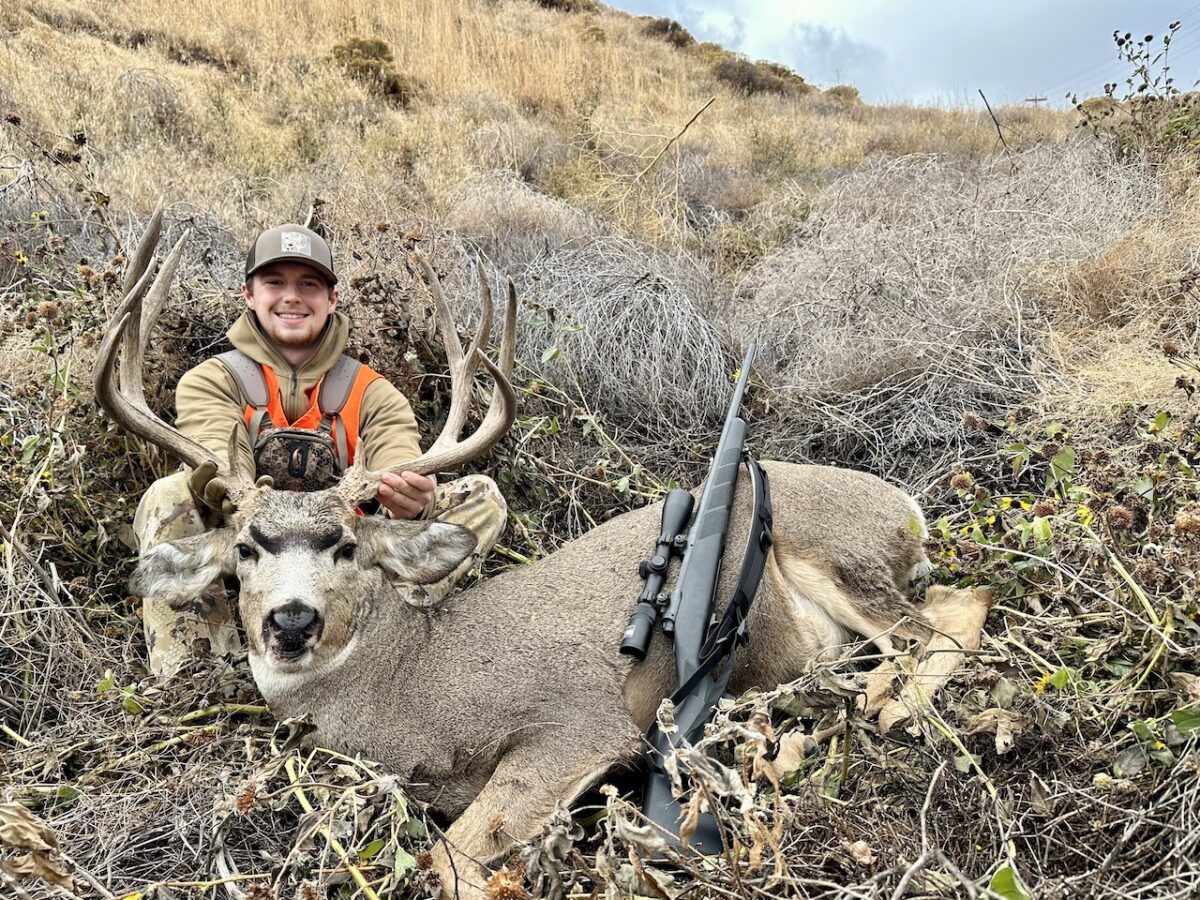
In the western Columbia Basin, postseason mule deer buck-to-doe ratios last year were 28.8:100 in the Ritzville Unit and 24.14:100 in Beezley, biologists Sean Dougherty and Paula Pruneda report. With fawn ratios of 60.8 and 75.86 per 100 does, respectively, they state that the population is stable.
“Hunters can expect another good mule deer hunting season across the district,” they say.
There’s much more public land in Beezley than Ritzville, which last year’s success rates spoke to: 24 percent for riflemen in the former, 40 percent in the latter. Befriend a farmer.
In the Yakima District, harvest has yet to recover from a low point back in 2017-18 and rifle success rates remain very depressed compared to the rest of the Eastside, but at least in the Naches Mule Deer Management Zone, kill does appear to have stabilized at about 350 bucks annually. Kittitas kill was down last year 100 animals from just two seasons before, and may be depressed again this year due to largescale forest closures northwest of Cle Elum due to fires, though the central and eastern Teanaway Unit will still be available.
In the Blue Mountains last year, an expected boost from good habitat, fawn production and overwinter survival did not translate into good hunting due to a hemorrhagic disease outbreak that “limited harvest in 2025, and we expect to see continued harvest suppression until the deer herd recovers,” warn biologists Carrie Kyle and Mark Vekasy.
They add that the whitetail herd has been “unusually slow to recover” from 2021’s hemorrhagic outbreak; general season antlerless opportunities have been restricted to boost recovery. In the best units – those touching the Snake River – success rates are actually up from nadirs earlier this decade, but that land is mostly farms and ranches.
It’s a similar story to the north on the Palouse, where the one-two punch of disease outbreaks in 2021 and 2025 has pushed the whitetail population “down significantly,” per biologists Carrie Lowe and Matt Brinkman. Unfortunately, last year’s outbreak came just as whitetail fawn production was looking up – 66 per 100 does, well above the 10-year average of 52 per 100. One step forward, two steps …
Mule deer, which hang out more in the Channelled Scablands and Snake River Breaks, were also affected by the outbreak, though not to the degree of whitetails, and fawn survival has been helped by a string of mild winters. Just as elsewhere in the Columbia Basin proper, most land here is private, but WDFW metrics show Harrington and Almota hold the highest percentages of huntable public ground.
And in the Klickitat, the Grayback, West Klickitat and East Klickitat Units saw harvest dip slightly in 2025 compared to 2024, but kill has generally been stable the further east you go. Posthunt aerial surveys last December in Grayback and East Klickitat showed a “slight increase” from 2023’s population estimate, while a March ground count showed Grayback fawn-to-doe ratios “consistent with the 10-year average, indicating average survival for fawns born in 2025.” Most antlerless permits have been scrubbed to help the deer recover from winter and disease issues.
Best of the Westside
Fresh deer hunting intel is a bit hazier to come by on the brushy western side of the Cascades, but some areas stand out.
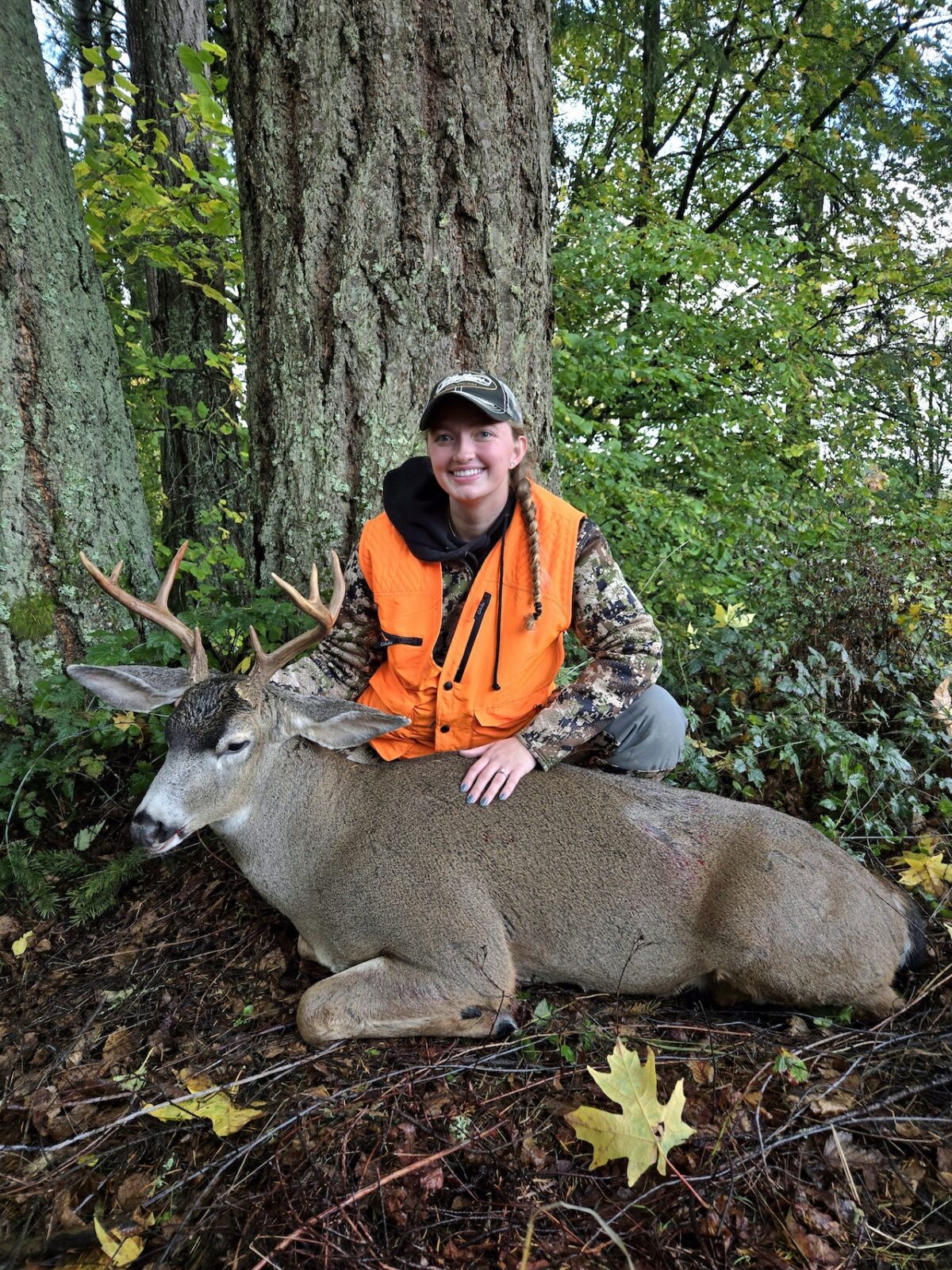
Blacktail populations are considered to be “stable” in the lowland Washougal and Battle Ground Units, while harvest data shows “some recovery” in the more mountainous Lewis River, Wind River and Siouxon Units from the bad 2016-17 winter. Between those and units to the east in the Klickitat, district biologists are forecasting another 2,000-buck harvest this season and success rates between 20 and 30 percent.
District 10, essentially the Cowlitz Basin, continues to shine in fall, with the past three years all serving up 3,500-plus deer in the general seasons, up from 2,200 to 2,800 animals, roughly speaking, annually in seasons back to at least 2016.
“Black-tailed deer populations in District 10 appear to be increasing. The combined harvest of more than 3,600 bucks across all user groups in 2024 and 2025 represents the latest milestone in this upward trend … In recent years, harvest and success rates have increased, while average days per harvest have decreased, indicating favorable conditions for deer hunters in 2026,” report biologists Nicholle Stephens and Thayne Aubrey.
While largely (but not entirely) private timberlands, the Coweeman, Winston, Ryderwood, Willapa Hills, Mossyrock and Lincoln Units provided the biggest harvests, with those minus Ryderwood and Willapa also seeing kills of nearly a buck a square mile or better on average the past five years. Stephens and Aubrey advise going later in the season, when conditions are moister for hunting and there are also fewer leaves on the trees.
Blacktail hunting is also on a long-term upswing to the north in District 11, Thurston and Pierce Counties.
“Deer harvest across the district has been trending upward since 2021, suggesting good prospects for hunting deer in 2026,” write biologists Michelle Tirhi and Emily Butler.
They point to the Skookumchuck Unit as “particularly worthy of scouting,” and more specifically, the Vail Tree Farm, owned by Weyerhaeuser and which requires a permit (sorry, sold out long ago), and DNR’s Crawford and Bloody Run Blocks southeast of Tenino.
Elsewhere, units on the eastern and southeastern side of the Olympic Peninsula – a mix of state, federal and private timberlands – have also generally seen higher harvests the past two falls relative to most back to 2016.
Pacific and Grays Harbor Counties experienced a “boom” year back in 2024 – and 2025 was not that far off the pace, frankly. “Deer numbers differ among habitats, and the highest densities are frequently associated with 3- to 9-year-old timber harvests. These young tree stands provide large amounts of cover and food,” tip the local biologists.
And the North Sound Unit also stands out, at least in terms of harvest – public access not so much.
For more information, see wdfw.wa.gov/hunting/locations/prospects.
OREGON
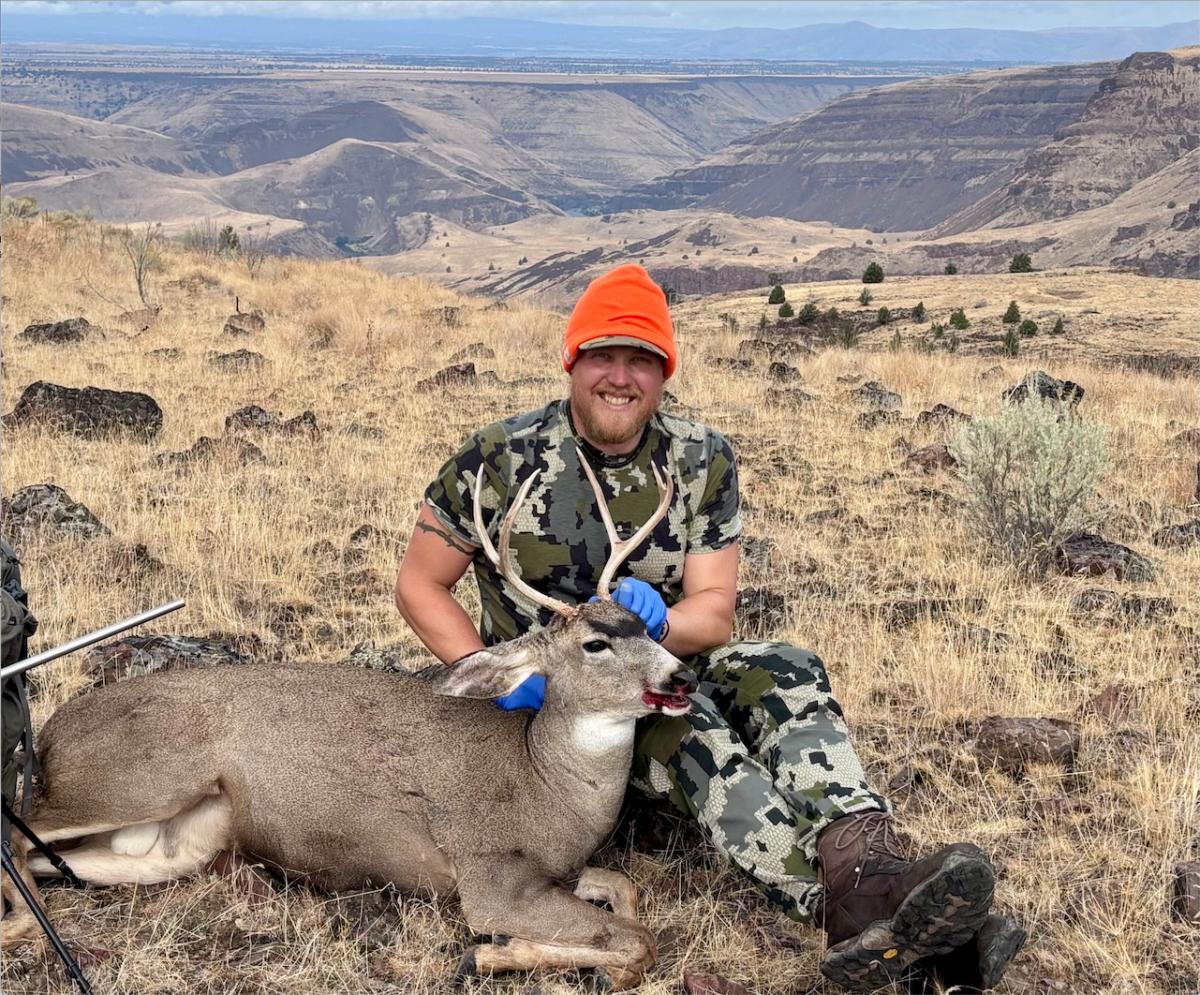
Overall, the “exceptionally mild and warm” winter across most of the state resulted in “good” survival for big game herds, though summer’s drought also tested them, the Oregon Department of Fish and Wildlife reports.
Central
Buck ratios in the new Painted Hills and Crooked River Deer Herd Areas (portions of the former Maury, Ochoco and Grizzly WMUs) were near ODFW’s management objectives and averaged 20 bucks per 100 does, though the overall population is below what managers would like to see – a common refrain across all of the state’s mule deer country.
That’s certainly the case in the Deschutes and northern and eastern Devils Garden DHAs (portions of Metolius, Upper Deschutes, Paulina and Wagontire), though buck ratios there are also “high … with all the units above management objective.”
More specifically, Deschutes has a strong buck ratio of 29 per 100 does, thanks to thicker brushy escape cover. ODFW advises looking to areas that have burned the past two decades.
“While the southern part of the hunting area such as around Crane Prairie and the Three Sisters Wilderness is thicker and requires still hunting, it holds good numbers of deer,” biologists say.
It’s a similar story for Devils Garden, where 23 bucks per 100 does is above objective and the advice is to poke around 2024’s Flat Top Fire southeast of the Newberry Caldera; Wickiup and Davis Lakes; and Fox Butte.
Along the Columbia, ODFW reports the Jackknife herd (portions of Biggs and Maupin) is “stable or increasing,” with last fall’s survey turning up 16 bucks per 100 does, one above objective, and it had a “high” fawn ratio of 43 per 100 does.
“With a relatively mild winter, there should be a surplus of young bucks available for harvest in this herd range this fall,” ODFW says.
Fawn ratios for the Mid-Columbia herd (same name as before) were 43 per 100 does, while bucks are up from past years to 27 per 100, two above objective.
“This indicates a growing population over several years, which will provide a greater opportunity in upcoming years,” biologists say.
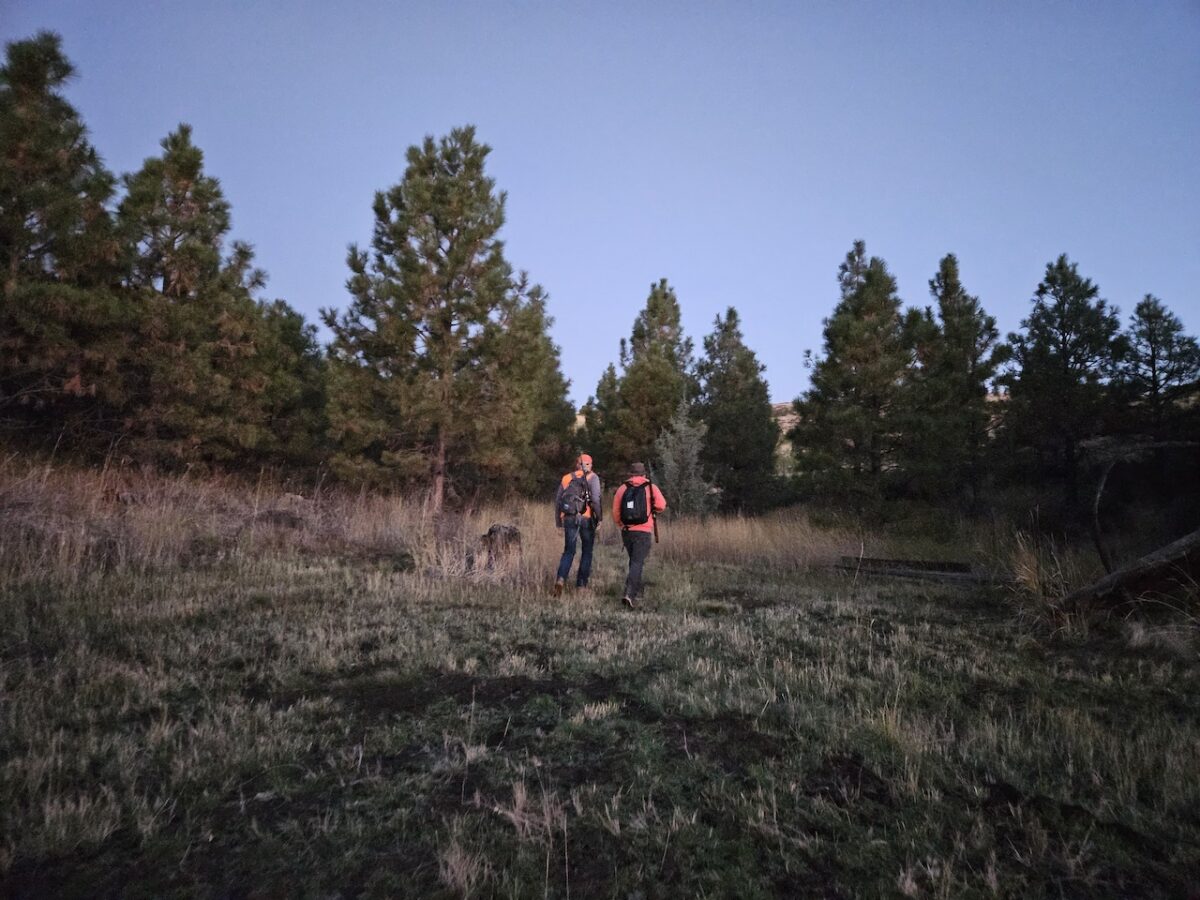
Northeast
South Wallowas herd (portions of Keating, Catherine Creek and Pine Creek) fawn survival was up, thanks to the mild winter. Overall deer numbers are depressed, but bucks are meeting objectives.
North Blues herd (portions of Ukiah, Columbia Basin, Heppner and Fossil) numbers are reported the same as last year, but despite the mild winter, they weren’t helped by spring and summer conditions.
Whitetail numbers in the Elkhorn herd area (Starkey and Sumpter) “are stable with high buck ratios,” but the species is having a hard time recovering from hemorrhagic disease outbreaks in the Northeast herd area (portions of Mount Emily, Minam, Sled Springs, etc.)
Note that last May, Manulife removed over 280,000 acres in Northeast as well as Southern Oregon from ODFW’s Access and Habitat Program.
Biologists forecast “similar or slightly better results” than last year’s below average harvest in the former Northside and Desolation Units (now portions of the Fox DHA) and above average take in Murderers Creek (portions of the Aldrich DHA).
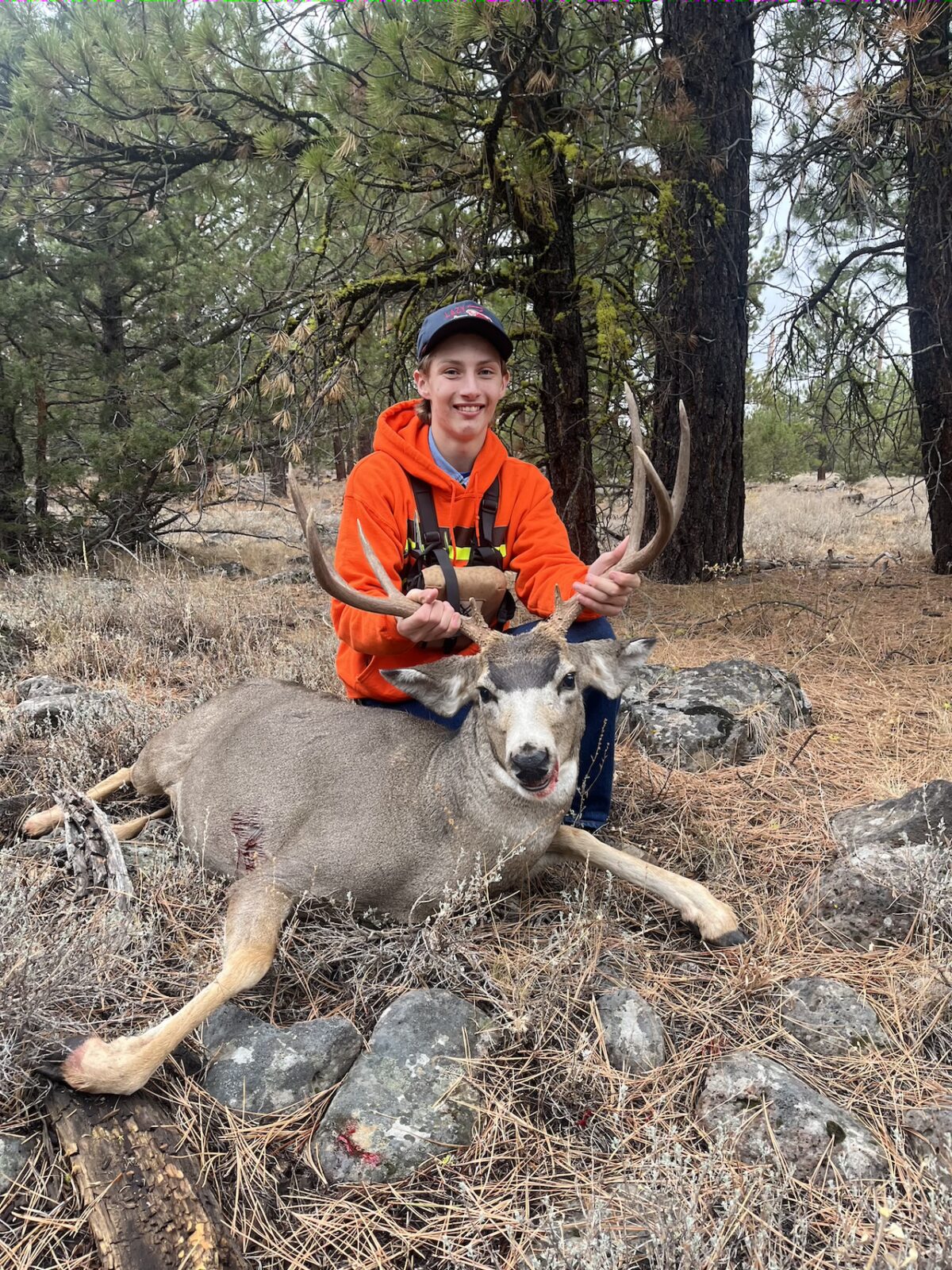
Southcentral, Southeast
Klamath Basin deer populations (portions of Klamath Falls and Interstate) are reported as “stable,” and with buck numbers above objective, “hunter success is expected to be higher than average,” per ODFW. If you drew a Keno tag, look to Green Diamond lands for higher concentrations of bucks, the agency tips.
To the north as well as east, deer seem to be responding well to past wildfires in the DeGarmo and southern Devils Garden herd areas (portions of Silver Lake, Fort Rock, Warner and Beattys Butte). Between that and a relatively high 54 fawns per 100 does seen last fall, “hunters should expect to see average to slightly above average numbers of yearling bucks with older age bucks available to those with a bit more patience,” biologists say.
And across much of Southeast Oregon, the story is: deer numbers down, buck numbers at or above objective – they’re “high” in the Trout Creek herd area (Whitehorse).

Westside
On the rainy side of the Cascades, ODFW reports a “relatively large fawn crop” last year in portions of the Tioga, Powers and Sixes Units, with bucks also at population benchmarks. Deer hunting is expected to “be good again in Douglas County” after surveys last year found decent blacktail numbers and last winter was a nonissue.
Far Southwest Oregon units can boast above-benchmark buck ratios with status quo to slightly increasing harvests, “indicating that this year should be the same.”
In the Coos Basin, deer numbers are bigger than they were in the early 2000s, and there was also a decent fawn crop here, “with good survival, so deer populations may increase,” biologists say.
They also tip that newer research has shown deer here like grassier clearcuts, so weigh that when deciding which young reprod patches to focus your efforts on.
Blacktail densities are reported as “favorable” in the North Coast’s Saddle Mountain and Wilson Units, with postseason buck escapement last fall above objective in both units plus western Trask. Focus on clearcuts on state and private timberlands.
In the Willamette Valley, “Prospects should be good” in the northern Santiam Unit “for those hunters who are able to obtain access and are willing to hunt thick cover where deer concentrate.”
And in the southern Santiam, bucks are meeting postseason escapement goals and deer are reported as spread evenly across the landscape.
For more, see myodfw.com/articles/2026-big-game-hunting-forecast.
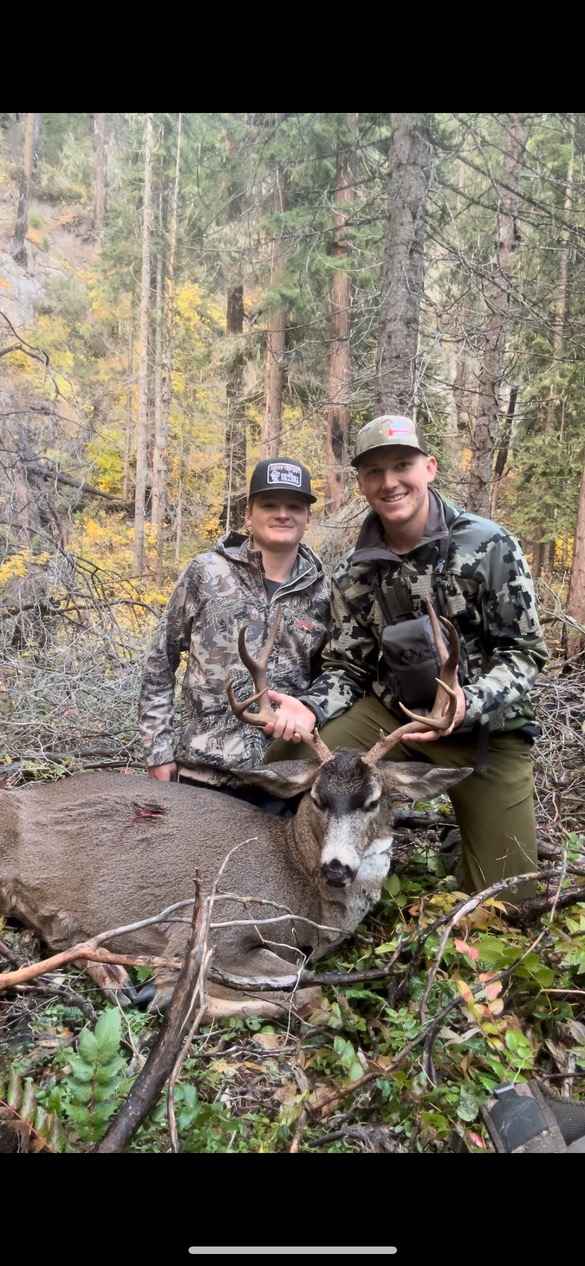
IDAHO
“Highly promising.” Those are the words of Idaho Department of Fish and Game Deer and Elk Coordinator Toby Boudreau about 2026’s big game season prospects.
“Overwinter survival was better than average,” Boudreau said for his agency’s statewide hunting forecast. “And when you have better-than-average overwinter survival, it means earlier antler growth, heavier fawns and calves and more robust herds.”
IDFG reported 83 percent of collared mule deer fawns survived last winter, 25 percentage points better than average. And while a hemorrhagic disease outbreak also hit North Idaho whitetails last year, overall harvest held steady at the 10-year average. “Hunters can anticipate a good whitetail hunt this year,” Boudreau says.
Panhandle, Clearwater, Owyhee
In North Idaho, IDFG expects this fall’s whitetail harvest “to be comparable to past seasons and expect slight upticks in the trajectory of harvest metrics as herds recover over the next several years. Mild winter conditions in recent years have likely contributed to high overwinter survival of both adult deer and fawns, but current dry conditions this summer may have an impact on forage quality.”
CWD testing and transportation rules are in effect in Unit 1. See idfg.idaho.gov/cwd.
In the Clearwater Region, last year’s whitetail dieoffs were centered in the Deary area east of Moscow and the surrounding units (8 and 8A), but despite lower hunter effort, “success remained relatively high. This year, field staff have seen deer in the areas that had higher levels of mortality from EHD last year,” IDFG reports.
As for mule deer, hugely popular Unit 39 outside Boise saw 89 percent fawn survival, and that “means hunters in the field will likely encounter more yearling bucks than they have in recent hunting seasons.”
Spikes should also power “experiences similar to recent years” during general season hunts in the Owyhee – the Big Grass Fire-singed hunting grounds of our Chef in the Wild Randy King.
For more, see idfg.idaho.gov/article/2026-deer-and-elk-hunting-outlook.