BY ANDY WALGAMOTT, NORTHWEST SPORTSMAN MAGAZINE
Restricting Washington deer hunters to one species only, adding first moose permits for the Okanogan and above Lake Chelan, reducing the grouse limit to three a day, banning trail cameras from public lands in fall.
Those are just four of a meaty set of potential hunting proposals Evergreen State wildlife managers rolled out this week for hunters and others to review and comment on.
To be abundantly clear, there’s no guarantee that any of the above ideas or the dozens of others under consideration will make the final cut.
But they did arise from hunters and WDFW biologists as part of the latest three-year season-setting process, an in-depth opening of the hunting rule books for ungulates, waterfowl, upland birds, small game, carnivores, furbearers and hunting methods.
It all began last October with a public scoping survey that yielded around 1,000 comments, according to WDFW, and those were subsequently winnowed down to 60. Now those are the subject of public engagement meetings this week and next. Comment is also being taken online through August 30.
Game Division Manager Anis Aoude said that WDFW managers haven’t determined which proposals will make it to the next step – the formal rulemaking process slated to begin this December. But for those that do there would be also another public comment period next February before the Fish and Wildlife Commission or WDFW’s director makes final decisions in March. Any changes would appear in 2027 hunting pamphlets.
But enough with the bureaucratese, let’s get back to the some of the more notable ideas.
DEER, ELK AND MOOSE
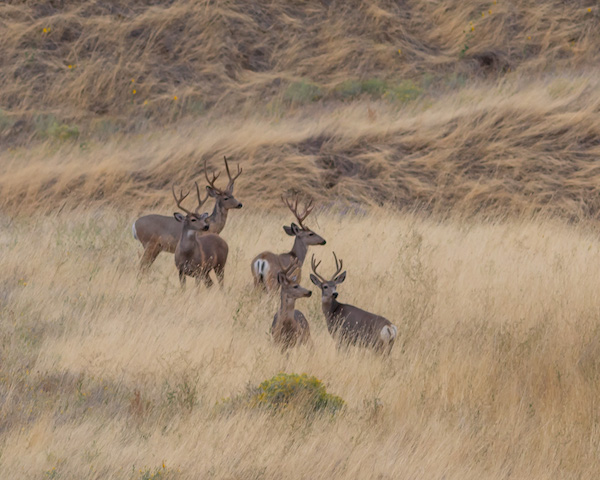
Front and center is one that would require deer hunters to choose whether they’re going to chase blacktails, whitetails or mule deer each fall via a species-specific license. Currently, Washington hunters can pursue all three kinds of deer in a given season – say, muleys during September’s High Buck Hunt, the ghosts of Westside forests in the October general rifle season, flagtails in November’s northeastern late hunt – until they put their tag on one.
It maximizes opportunity, but in WDFW’s background material on ungulate proposals, managers say that hunters also feel that pressure and crowding are cutting into their overall experience. A species-specific tag would likely reduce hunter numbers in Eastern Washington by some percentage. According to WDFW, about a quarter of Westside deer hunters head over the Cascades to hunt there as well as back home on the rainy side of the range.
For comparison’s sake, in Oregon, you either get drawn for a controlled tag to hunt mule deer or whitetail or you buy a Western blacktail general tag.
The question WDFW is putting to deer hunters, then, is to what degree they want the agency to further explore this idea – get those damn 206ers out of Douglas County!; they’re public deer, not just for 509ers’!; gimme some more information about what it would look like in practice first before I light my hair on fire.
Another deer hunting proposal would open late archery seasons in the Harrington, Moses Coulee, Washougal and Williams Creek Game Management Units based on hunter requests. The two Columbia Basin units would be for three-point-or-better bucks, the two Southwest Washington would be for any buck. According to WDFW, deer populations are stable in the units and the late-season opportunity wouldn’t drive up harvest significantly.
WDFW asks, do you support or oppose the proposal, or a portion thereof?
On the flip side, biologists want to close the general late bow hunt in the Okanogan’s Wannacut, Sinlahekin and Pogue GMUs due to postseason buck-to-doe ratios falling below their management objective. They say that the current early and late archery seasons provide “relatively high success and a disproportionate share of the overall harvest compared with archery participation.” The OTC hunt would be replaced with special permits.
With some hunters asking WDFW to manage for larger, older bucks, they are floating a three-point minimum for blacktails in the Williams Creek GMU during the back half of October’s rifle season and the four-day November late hunt. The first portion of the October rifle hunt would be open for any buck. WDFW says if approved, it would be evaluated during the 2027-29 seasons for hunter participation and buck quality.
As for elk, with wildlife biologists seeing a decline in both age and sex ratios as well as harvests with the herd in the northern Willapa Hills, they’re recommending eliminating antlerless harvest in the Lincoln GMU for rifle, bow and late muzzleloader hunters, Minot Peak GMU for early bowmen and Fall River GMU for early and late archers. Harvest would be limited to three-point minimum, which is standard for elk across many Western Washington units.
Another proposal addresses declining elk harvest and success rates in the Dickey and Clearwater GMUs by proposing to close early muzzleloader in both and late bow in the latter to ease pressure on bulls.
And in the North Cascades, WDFW is considering moving special permit elk season dates for all weapons types further into fall for the Nooksack GMU and for select hunts in the Sauk GMU to tweak success otherwise weighted toward riflemen to archers and address herd abundance and ratio concerns.
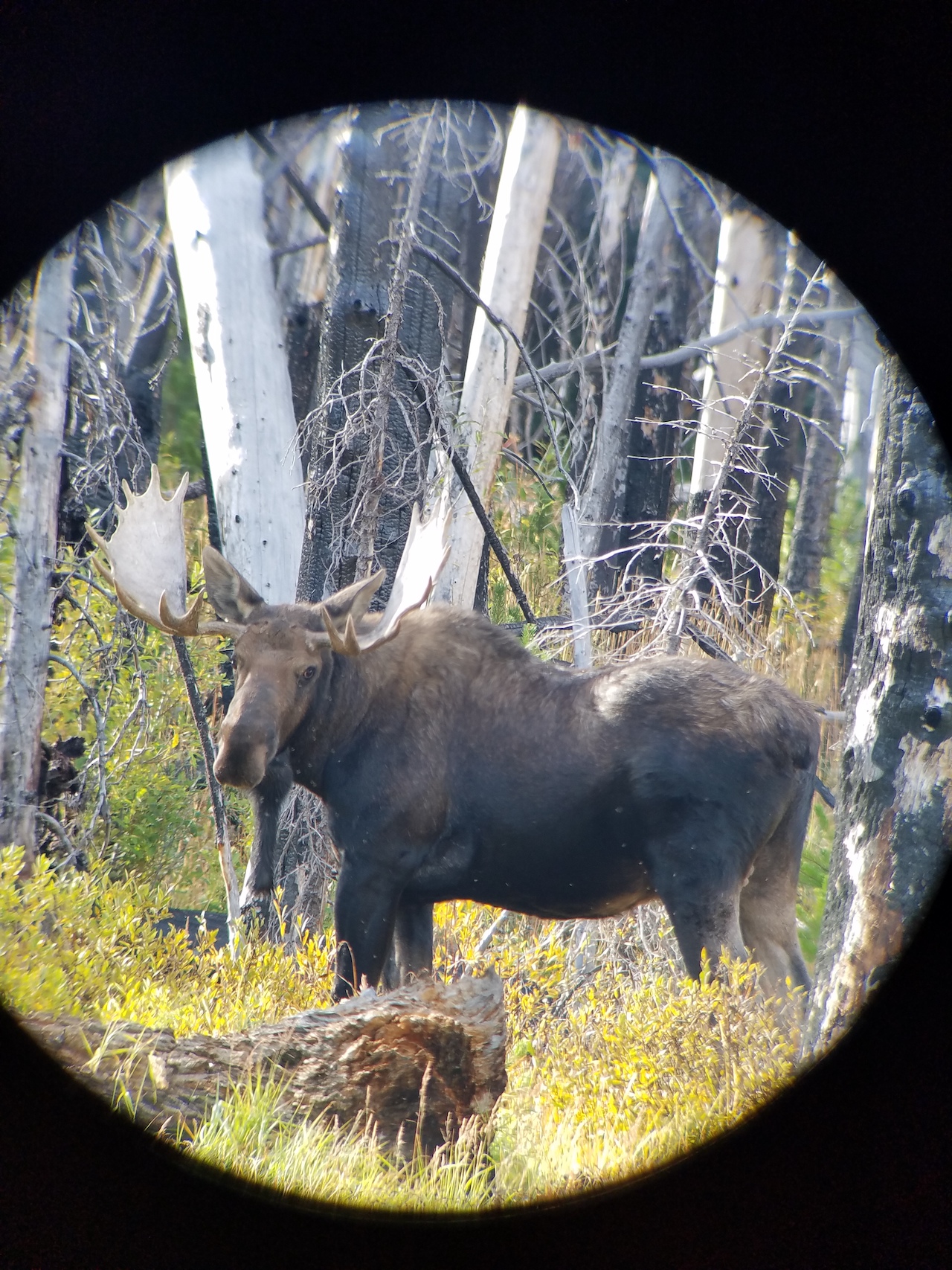
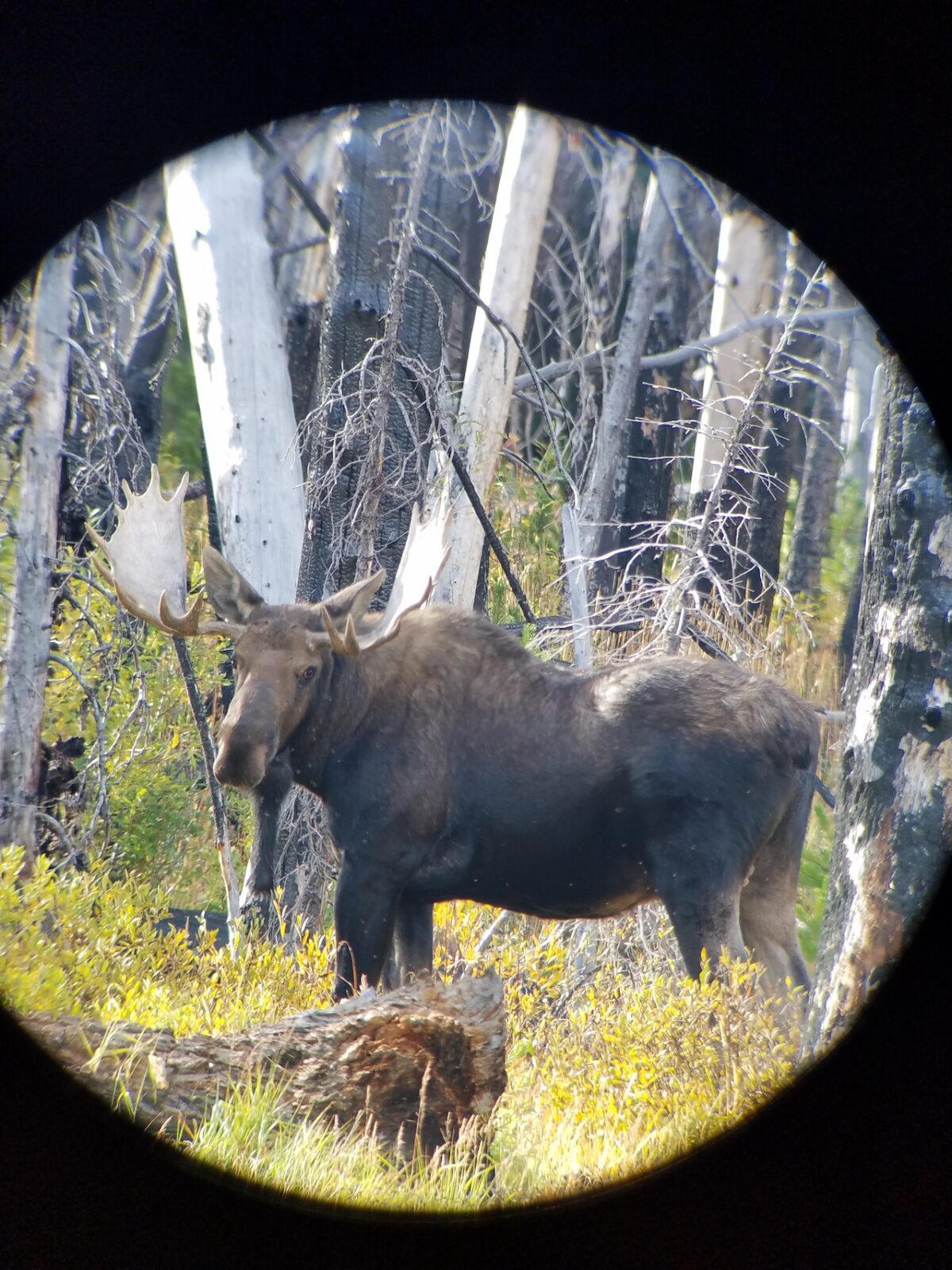
On the moose front, it only took 15 years since I wrote about what it would take to open a special hunt in the Okanogan, what with the Bullwinkle pellets we were finding while deer hunting and local sightings, but it’s good to see WDFW is finally there. They’re proposing to offer two permits for bulls, one for the Wannacut, Sinlahekin, Pogue, Chewuch and Pearrygin GMUs, and one for the Gardner, Chiliwist, Alta and Manson GMUs, the last one of which is in Chelan County.
WDFW says that hunter and public reports confirmed by biologists show moose have expanded into the area, a modest harvest wouldn’t impact the growth of the herd and the idea “aligns with the Department’s mandate to maximize hunting opportunities.”
Wildlife managers are also proposing additional moose hunting ops in the Okanogan East, Sherman Pass and Kelly Hill GMUs via five special permits for archers, thereby increasing how many of the coveted once-in-a-lifetime tags are available and aligning with tribal hunting opportunity in the area.
The other moose proposal of note would be to allow folks to salvage those killed by vehicles. The state’s biggest ungulate weren’t included in Washington’s original roadkill collection allowance because of fears it might encourage poachers or complicate game warden investigations, but now, “Balancing the hypothetical risk of poaching against the benefit of reducing or preventing moose wastage, Department staff recommend allowing the salvage of moose killed in vehicle collisions.”
WDFW asks hunters whether they agree or disagree with the above proposals.
UPLAND BIRDS AND SMALL GAME
Managers couch it as “simplifying forest grouse harvest limits,” but the effect of this proposal would be to reduce the daily limit from four, which it’s been since 2009, to three. Inside that four, the limit per species has been three since 2015, and WDFW says that because some hunters can’t tell the difference between blue (sooty and dusky), ruffed and spruce grouse on the wing, there’s a chance they accidentally kill one more of a given species than allowed while filling their daily limit.
“WDFW recommends simplifying the forest grouse harvest limit by reducing the daily bag limit to 3 birds of any species (and 9 in possession). This will reduce the confusion of the species-specific limits,” the agency states and asks hunters their thoughts.
It follows on grouse season being shifted away from opening before Labor Day Weekend several years ago now.
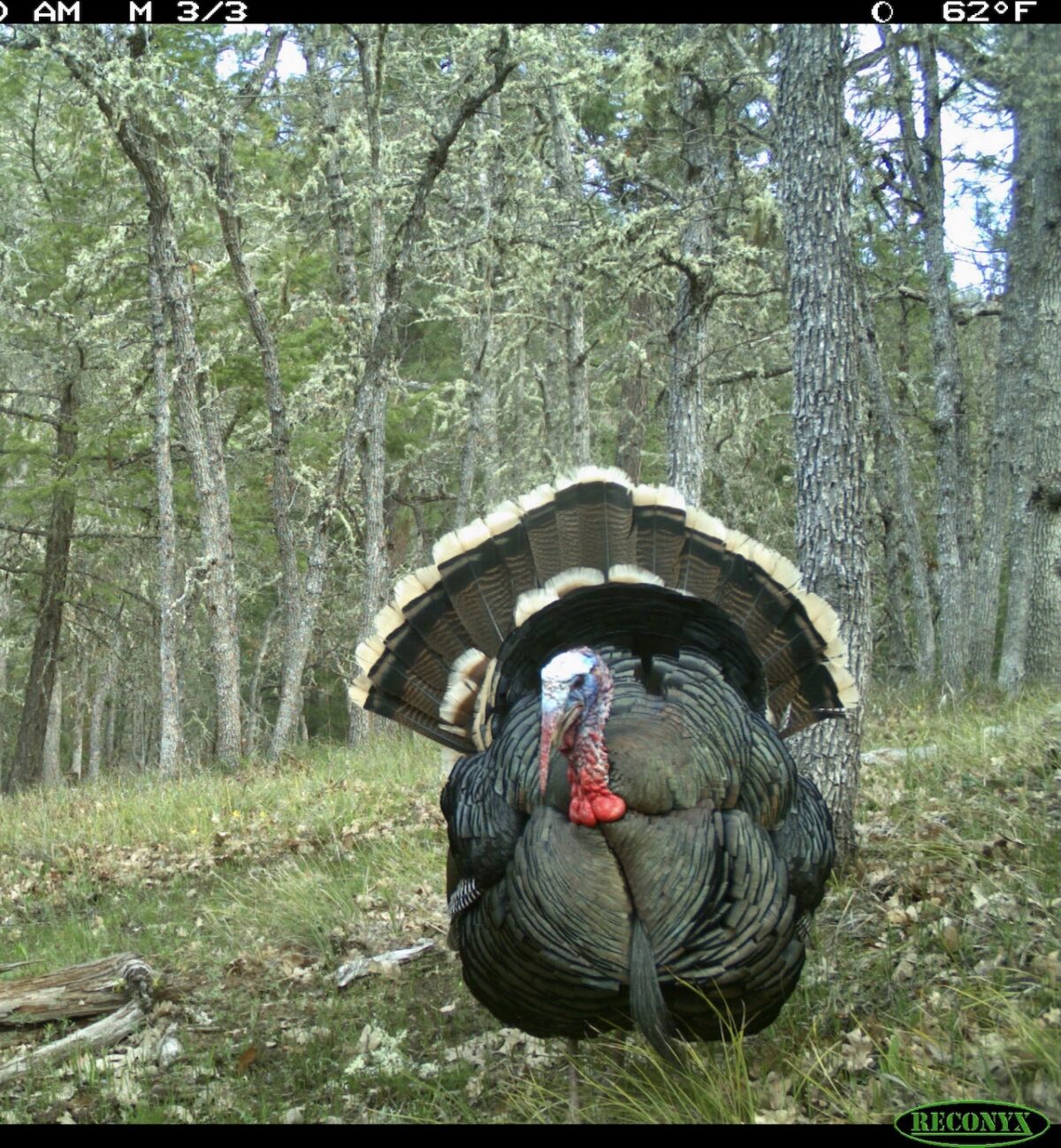
Other upland bird and small game proposals look at aligning chukar and Hungarian partridge seasons, banning baiting for small game, reorienting Eastside spring turkey bag limits from counties to GMUs and increasing how many can be taken in parts of Southcentral Washington, and moving the start of bobcat season back three months in a host of North Cascades GMUs to reduce the odds of incidental lynx kills.
WATERFOWL
WDFW is also looking for hunter opinions on youth waterfowl hunting and September goose hunting dates and if commercial guides should operate on state wildlife areas.
And the agency wants to know whether Roboduck and friends should be allowed back in the marsh after nearly a 25-year ban. The question is, would waterfowlers support the use of electronic decoys if the mallard limit was reduced to five instead of seven or if season were shortened from 107 days to 86 so as to mitigate for expected increased harvest?
That’s really the thing hunting managers are trying to balance – opportunity (i.e., open as many days as possible) versus the power of the harvest in this day and age.
HUNTING METHODS
Along those lines is a question whether trail cameras should be banned during fall seasons on public lands, ban just cellullar game cams – the ones that transmit images straight to your phone – or if they should continue to be allowed.
Before you blame certain Fish and Wildlife Commission members, know that it’s more of a fair-chase and equal-access-to-game issue that is popping up all over the country, not just in Washington. Just this year Idaho state lawmakers banned cell cams from state, federal and local public lands between August 1 and December 31.
That’s the same timeframe WDFW’s mulling, and they are interested to learn how hunters feel about the proposal.
And they’re also looking for feedback on an idea to make hunting season dates consistent from year to year. For instance, most Idaho deer seasons start October 10 every year, whereas Washington’s modern firearms buck season varies from the 11th to the 17th of the month depending on where the first Saturday after the 10th falls on the calendar.
The benefit of consistency is that hunters would only have to remember one date ever again; the drawback is that if it hits on a Tuesday and you can’t get it off, you would be sitting at home while luckier guys were afield cleaning up.
Comment on this and the other nearly five dozen proposals is being taken through Sunday, August 30.
To voice your opinion, see the links to online, email, and telephone surveys here.