
BY ANDY WALGAMOTT, NORTHWEST SPORTSMAN MAGAZINE
The state of Washington is on the hook to fast-track the removal of fish passage barriers under its roads due to a federal court order, but the question has always been, But what about all the myriad culverts owned by others above or below those chokepoints that might just keep on blocking salmon, steelhead, trout and other species?
After all, WashDOT is hardly the only entity that since the 1800s has stuffed creeks, streams, rills, brooks and other waterways into pipes to make our getting to work, the grocery store, relatives’ houses, etc., a whole lot less muddy – so too have cities, counties, and others – and in doing so impaired fish access to upstream spawning and rearing habitat.
Enter a new memorandum of agreement between Bellingham, local tribes and WDFW that establishes a prioritized list of which of the city’s passage-blocking culverts to fix first, what’s being hailed as a unique and new collaboration.
“This is one of the first cooperative agreements of its kind in Washington state,” said Brendan Brokes, WDFW North Puget Sound Region director in a press release out this week. “This MOA demonstrates how voluntary, collaborative planning can move quickly to support reconnecting habitat and restoring ecological functions, which supports healthy salmon runs, communities, and tribal nations. We’re proud to support this proactive fish passage agreement between the City, state, and area Treaty Tribes.”
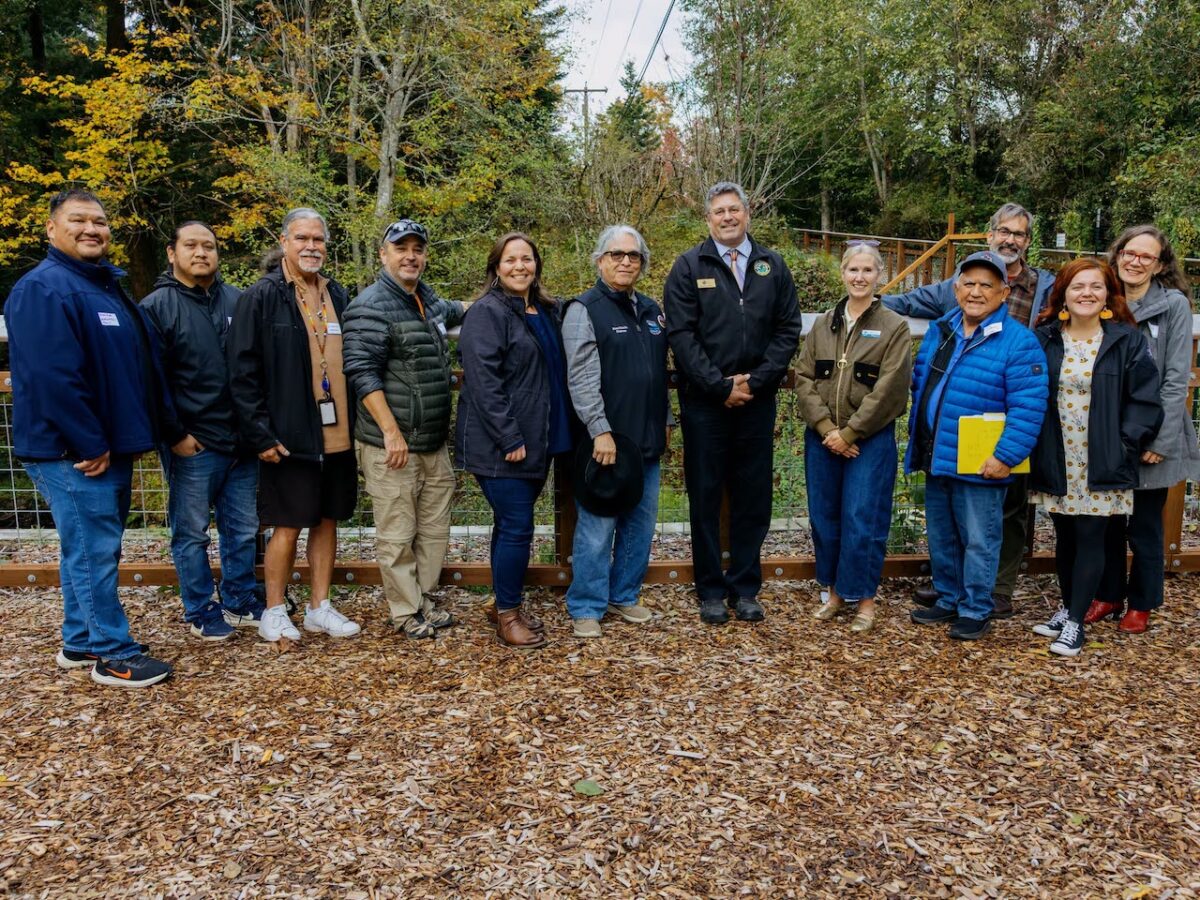
According to the release, work will be based on an inventory of Bellingham’s barriers cued to how much they will benefit fish and their “cultural significance,” i.e., link to tribal usual and accustomed fishing areas.
“We’ve got to keep fighting for the fish, but fighting together,” said Tanesha Lane, a Lummi Indian Business Council member.
The city’s press release says the agreement will also make for a stronger collective front as the partners apply for federal, state and other grants to do more fish passage work.
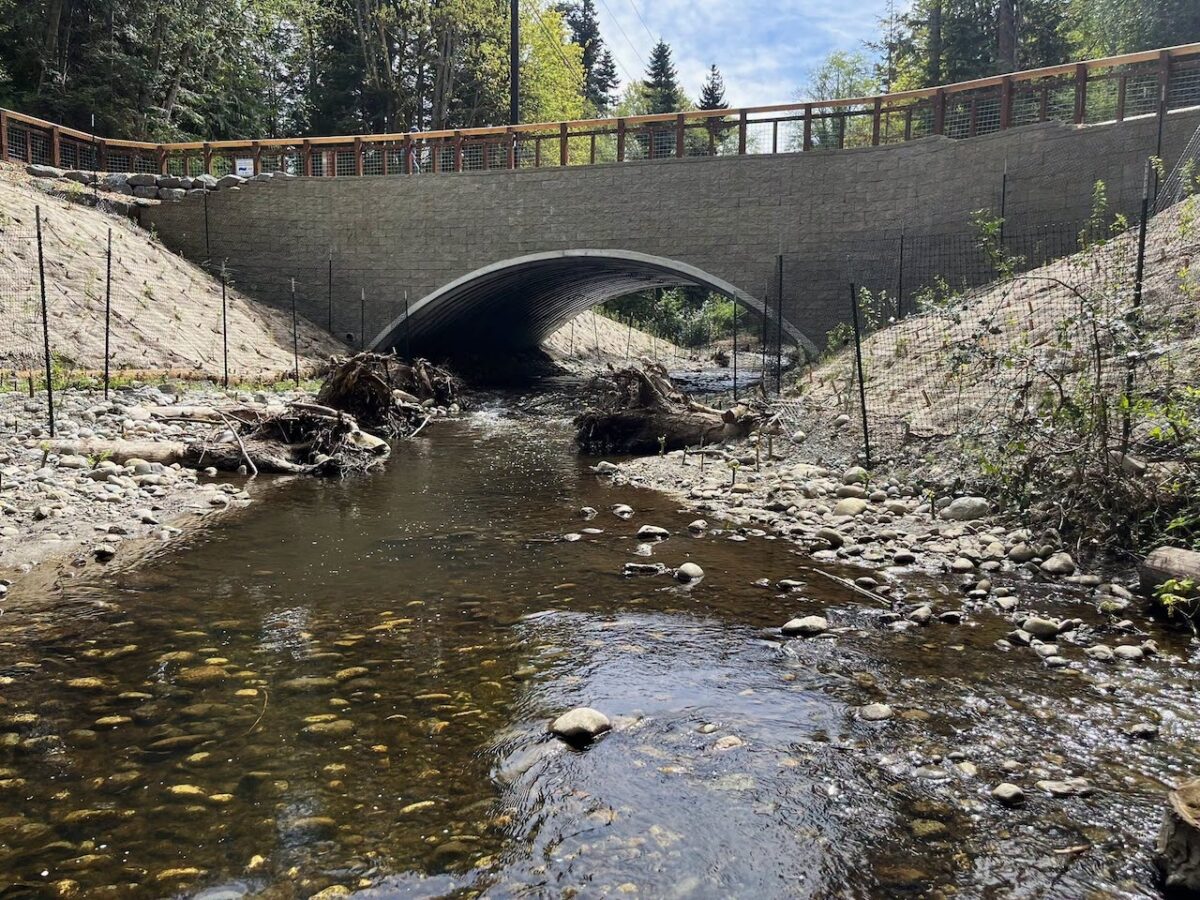
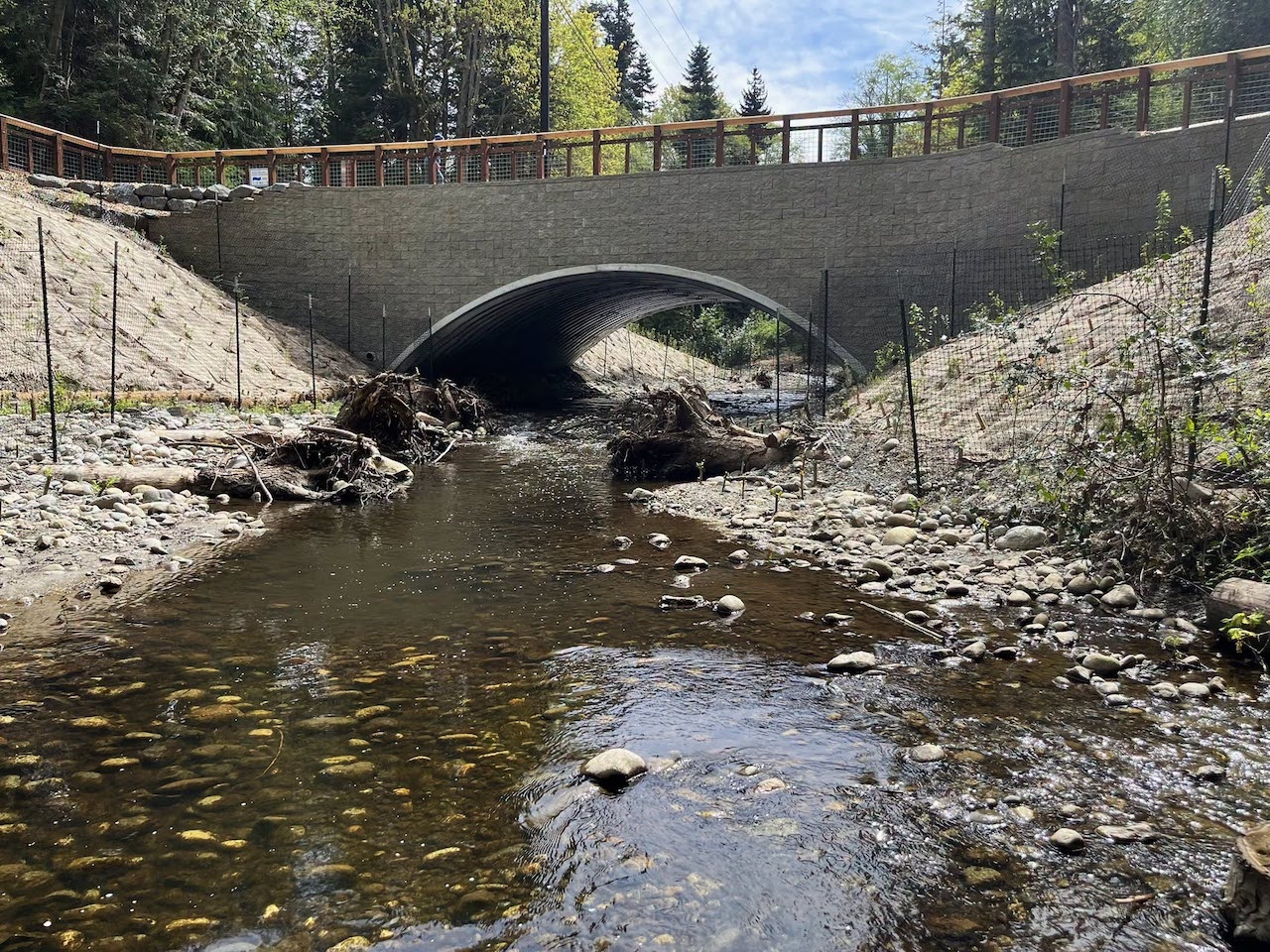
The MOA was signed in October and commemorated with a visit by the partners to a pair of recently completed projects on Padden Creek, on the south side of Bellingham between I-5 and the Fairhaven district – the southern terminal of the marine highway to Alaska.
The two new fish passages over the city’s Interurban Trail make the creek “100 percent passable for fish, including Chinook, coho, and chum salmon, steelhead and sea-run cutthroat trout, and resident fish species,” according to the city.
There are tens of thousands of fish passage barriers in Washington to fix, and some of them have price tags that will melt your eyes. Then there’s 6PPD-quinone, the coho-killing tire preservative, the effect of which is most pronounced in urban areas such as Bellingham. It all makes you wonder if it’s worth it.
But barriers in the City of Subdued Excitement are on their way to becoming fish passages through a new collaborative effort among disparate parties and interests, and that’s actually pretty exciting.