BY ANDY WALGAMOTT, NORTHWEST SPORTSMAN MAGAZINE
A bill that would allow tribes with connections to the Lower Columbia and rest of the big river up to McNary Dam to lethally remove sea lions has been introduced in Congress, and the Trump Administration is signaling its early support.
House Resolution 9637, the Protecting Columbia River Salmon Act, from Representative Marie Gluesenkamp Perez (D-WA03) would do so by modifying the overly restrictive Marine Mammal Protection Act, and it would give authorized tribes discretion on how to kill California and Steller sea lions.
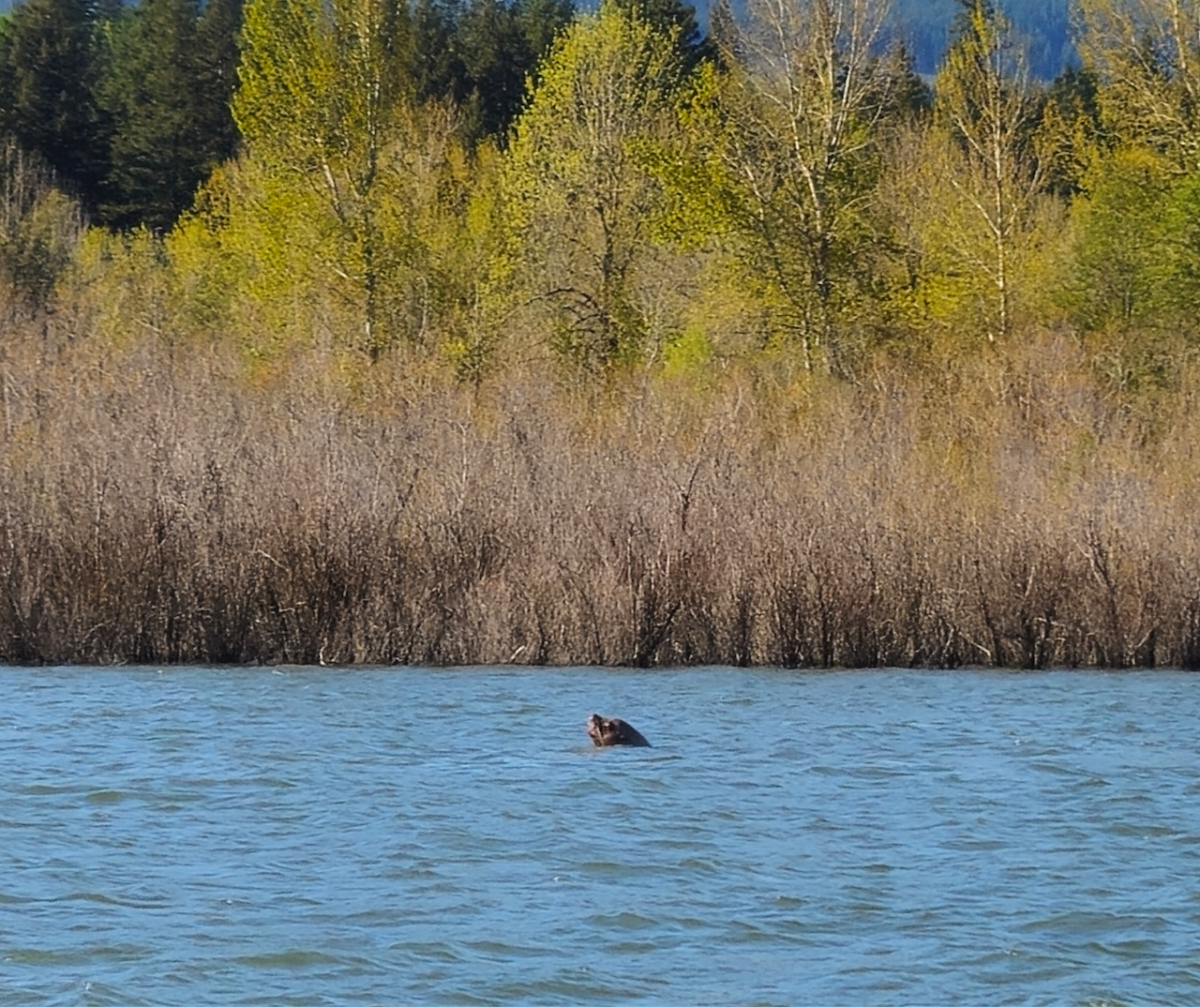
The whole idea is to protect Endangered Species Act-listed runs of salmon and steelhead from the male marine mammals that come up the big river to feed on smelt, winter steelhead, spring Chinook and other stocks, devouring vast quantities of fish – 40 percent of one year’s springer run, it has been estimated.
“I have local fishermen telling me that nearly every salmon they pull out of the river have wounds from sea lions. The fact is, politicians in DC aren’t out on our rivers, they’re still living in a world of 1970s data points. If we want to keep things in balance, we need to restore agency to our Tribal partners and their designees,” said Rep. Gluesenkamp Perez in a press release.

The MMPA was passed in 1972, a time of low sea lion abundance, but they’ve since recovered, allowing for some very careful relaxing of the act’s stringent protections.
Northwest states and select tribes now have authorization to remove a small percentage of the overall populations of Californias and Stellers, thanks to previous MMPA amendments, but all of their work is done at Bonneville Dam and Willamette Falls, where 508 and 54 have been removed since 2008, respectively.
While sea lions do continue to gather at those chokepoints, they prey on salmon, steelhead as well as declining white sturgeon throughout the Lower Columbia and lower Willamette.
Along with a number of spring Chinook, this reporter saw three different large sturgeon in the jaws of sea lions while fishing this spring. It’s doubtful any of those sturgeon, which were otherwise in spawning areas, survived, and state managers are increasingly concerned about the long-lived fish. This year, for the first time in their annual reporting, they used the phrase “severe recruitment concern” to describe the situation.
According to Gluesenkamp Perez, her bill “both expands current removal strategies and extends removal authority to federally-recognized Tribes with ancestral heritage to the river and allows them more tools to mitigate sea lion populations.”
Under it, tribes with ties to the Columbia anywhere from Buoy 10 to McNary Dam would receive lethal take authority, opening up sea lion management to Southwest Washington tribes in addition to those in the Columbia Basin and Western Oregon which are included in ongoing federal permits; allow tribes to take CSLs and SSLs; and “Provide such Tribes with the discretion to determine the humane manner and appropriate methods in which takes may be completed.”
That might be the most interesting – and controversial – part of the bill.
Right now, management is limited by removal protocols in the federal take permits and the cost of the cages and equipment required to capture and contain sea lions, as well as euthanize them. It all costs a pretty penny – last winter, Gluesenkamp Perez told a Congressional hearing it cost on the order of $38,000 per removal.
According to the representative, who is running for reelection this fall against Washington state Senator John Braun (R-Chehalis), the bill is supported by the Cowlitz Indian Tribe and the Confederated Tribes of the Chehalis Reservation
It has also received a “Statement of Administration Policy” from the Trump Administration. An SAP is how a president or their advisors communicate their views on a bill in Congress.
In this case, the administration said it “strongly supports passage of H.R. 9637” because of its expanded flexibility to remove sea lions and meshes with Executive Order 14276, Restoring American Seafood
Competitiveness.
“If H.R. 9637 were presented to the President, his senior advisors would recommend that he sign
it into law,” the SAP states.