

Former WDFW Deputy Out As Colorado Wildlife Director
Less than two weeks after striking out on a request for Washington wolves to help fuel his state’s voter-mandated reintroduction effort, Jeff Davis has “stepped down” as the director of Colorado Parks and Wildlife and is taking another role in state government there.
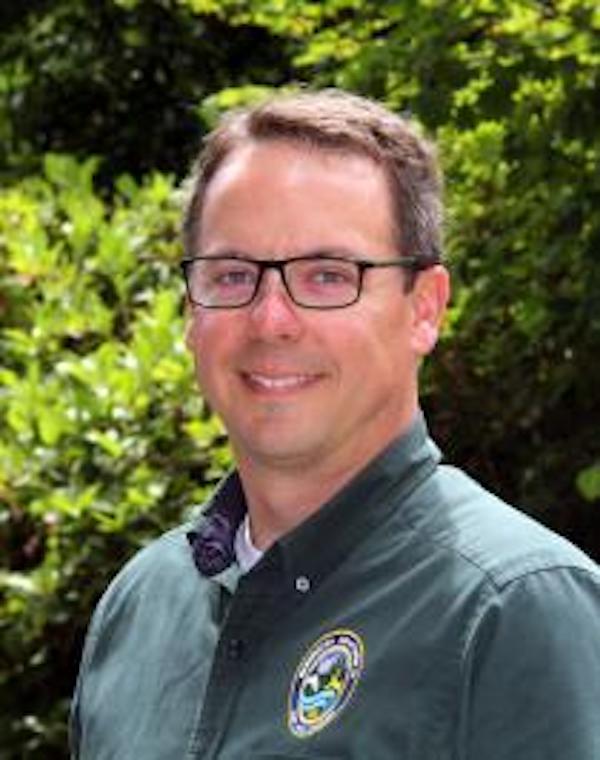
Davis, a former longtime WDFW staffer who left Washington for the Colorado position in spring 2023, will now be a senior policy advisor for strategic priorities for the Centennial State’s Department of Natural Resources, according to a press release.
It noted that Davis had arrived in Colorado “during a period of uncertainty and change with a number of significant wildlife and recreation issues landing at his feet almost immediately,” one of which was implementing voters’ very narrow decision to reintroduce wolves. CPW’s management plan goal was to translocate 10 to 15 gray wolves per winter over three years for a total of 30 to 50 animals.
One of Davis’s first acts as CPW director was to formally ask Washington for some wolves, but that didn’t gain traction. With Idaho, Wyoming and Montana all saying no, Davis managed to secure 10 from Oregon that year.
In 2024, a deal with the Colville Tribes for more wolves fell thru after the tribes learned CPW had failed to consult with a Colorado tribe on wolf reintroduction, leaving Davis to turn to British Columbia, where 15 were captured and translocated last winter.
He’d hoped to acquire more animals from the Canadian province this winter, but the US Fish and Wildlife Service formally barred that avenue, saying the animals could only come from the US’s federally delisted Northern Rockies population. With Oregon now declining to send more, he turned back to Washington earlier this fall.
When the issue was taken up by the Fish and Wildlife Commission on November 15, WDFW Director Kelly Susewind said, “Biologically, we can accommodate the request,” but ultimately the citizen panel said no by an 8-1 margin, largely because commissioners couldn’t see donating any wolves with the state’s population still considered by them to be endangered – a result of their summer 2024 5-4 vote that came even as agency managers had recommended downlisting the species to sensitive status – and strong Washington public sentiment against it.
Back in Colorado, the state DNR said Davis is leaving CPW “in a much better place internally as well as a notable record of achievement and progress in areas of building a stronger culture, wildlife management, and stakeholder involvement and engagement.”
He will be temporarily replaced by Major General Laura Clellan, a retired adjutant general who has been the executive director of the state Department of Military and Veterans Affairs while a job search is performed for a new CPW director.
“I was honored to work with an amazing team and set of individuals at Colorado Parks and Wildlife,” said Davis in the press release. “I look forward to focusing on DNR strategic priorities including strategies to increase biodiversity and continuing my service to the people, wildlife and environment of Colorado.”
At WDFW, Davis came up through the Habitat Program before being named the agency’s director of conservation policy. He had a hand in coauthoring the controversial draft Conservation Policy with former commission Chair Barbara Baker; development of the policy has now been shelved after strong pushback from sportsmen and tribes.
About Author
