BY ANDY WALGAMOTT, NORTHWEST SPORTSMAN MAGAZINE
In a tough session for fish- and wildlife-related legislation, a critter corridor bill still has a chance to create a win for deer, elk and other animals, hunters and drivers.
As long as it doesn’t become roadkill in the hectic countdown to sine die next month.
What’s known as Engrossed Substitute Senate Bill 5203 will have a committee hearing next Wednesday afternoon, and Washington Backcountry Hunters and Anglers is rallying sportsmen to “help carry it across the finish line.”
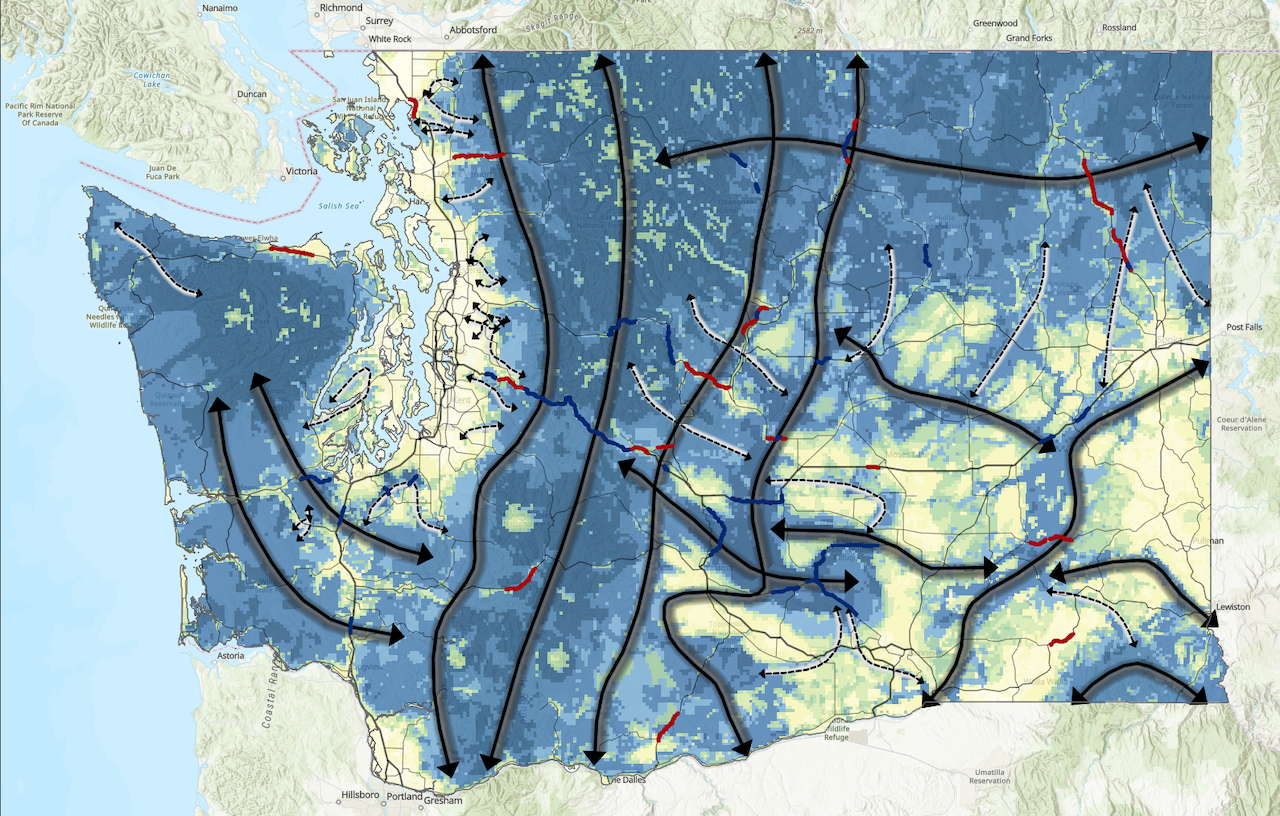
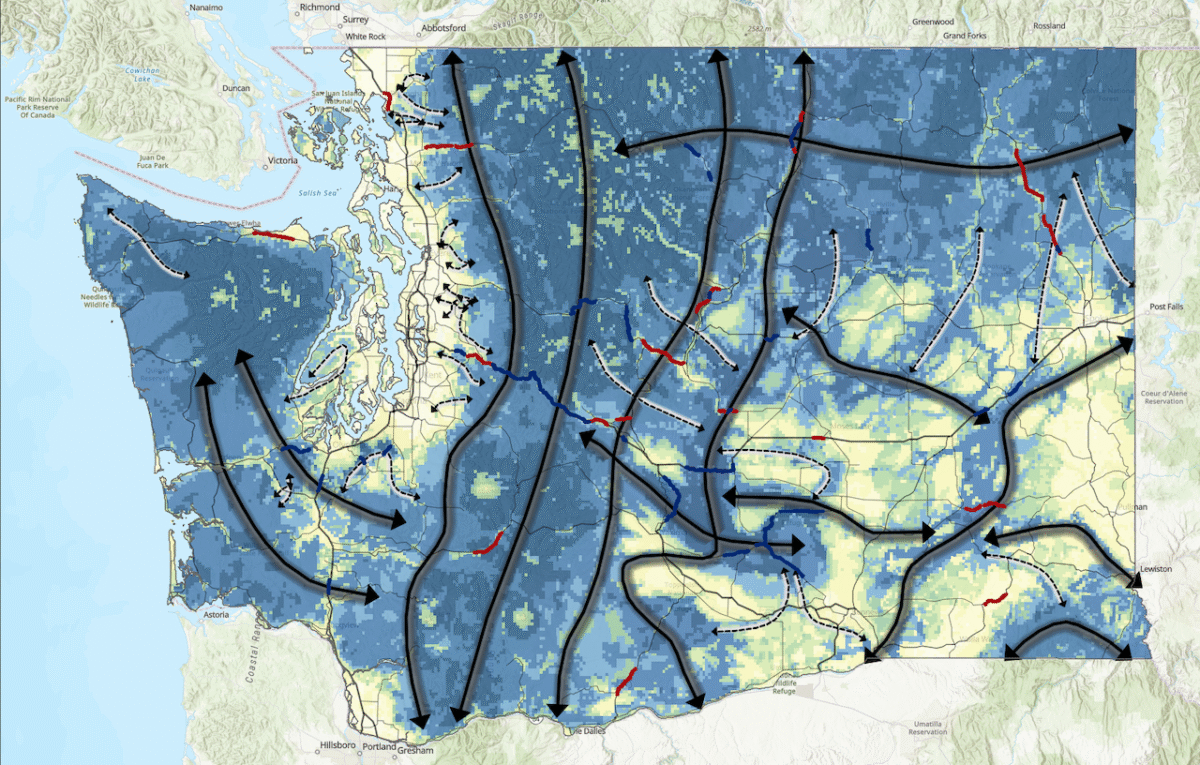
Boiled down to its core, the bill builds on the 2025 Washington Wildlife Habitat Connectivity Action Plan, which identifies “critical habitat corridors and zones of high wildlife-vehicle conflict,” according to BHA, and directs WDFW and WashDOT to work together to implement the plan. Towards that end, it also creates two new accounts in the state’s piggybanks for depositing federal, private and – when eventually available – state funds.
A fiscal note says the bill at this point would cost $61,000 annually, a figure that penny-pinching lawmakers may find more palatable than big-ticket fish and wildlife bills that were offered up this session.
BHA says some 5,000 deer a year die along state roads due to vehicle collisions, “a significant limiting factor on healthy and abundant ungulate populations,” and maps in that action plan highlight highways cutting through the ranges of three important hunted herds – whitetails in the US 395 corridor north and south of Colville, Okanogan muleys along northern stretches of US 97 and Chelan County deer along US 2 – as well as larger wildlife connectivity corridors between big areas of intact habitat.
“Even with salvage opportunities, there’s no other way to look at roadkill except as a damn shame and a waste of our precious natural resources,” said Dan Wilson, BHA state chapter co-chair. “This bill gives us a chance to do something about it.”
According to WashDOT, cameras installed at new wildlife structures above and below I-90 east of Snoqualmie Pass recorded 13,525 safe crossings by deer, 7,967 by elk and six by cougars between 2014 and the end of 2023, while new fencing in the Okanogan Valley led to 69 to 90 percent annual drops in deer carcass removals along the highway near the Janis Bridge in the first four years after installation and an average of 2,500 safe deer crossings – wins the whole way around.
“This bill is common-sense conservation delivered through collaborative stakeholder and interagency effort,” added Wilson. “It protects wildlife, supports healthy herds, ensures hunter opportunity, and keeps the public safer on our roads.”
The base bill behind ESSB 5203 was introduced in 2025 but failed to get out of the Senate Ways and Means Committee. Reintroduced for this session, a substitute version was amended on the floor of the Senate and passed 31-18, with all Democrats and one Republican (Phil Fortunato, Auburn) in favor.
This morning, WDFW Director Kelly Susewind signaled that his agency supported the bill and was “excited about” it.
Next week’s public hearing is at 4 p.m., Wednesday, February 18, before the Washington House Committee on Transportation, and BHA has made it simple to make your support known via links and a message here.