THE FOLLOWING IS A PRESS RELEASE FROM THE WASHINGTON DEPARTMENT OF FISH AND WILDLIFE
A Washington Department of Fish and Wildlife (WDFW) Police investigation into illegal trafficking of black bear parts resulted in a guilty plea, fine, and home confinement for a Skagit County resident.
Yan L. Li, 54, was sentenced Aug. 25 in Skagit County Superior Court to 45 days of confinement and a $1,800 fine after pleading guilty to one Class C Felony count of unlawful wildlife trafficking.
In 2020, the Skagit County Health Department notified Fish and Wildlife officers after receiving complaints of possible restaurant health code violations, as a number of deceased local waterfowl were located outside Li’s restaurant. WDFW officers confirmed Li’s restaurant wasn’t selling the waterfowl. Fish and Wildlife officers cited Li for possession of wildlife without a statement and required a court fine in December 2020.
In late 2021, similar complaints continued to come into Skagit County Health Department, which triggered WDFW Police to initiate an investigation. During the investigation, Li illegally bought whole waterfowl and black bear parts, consisting of 13 gall bladders, six livers, and 24 paws with the claws still attached, from undercover WDFW officers.
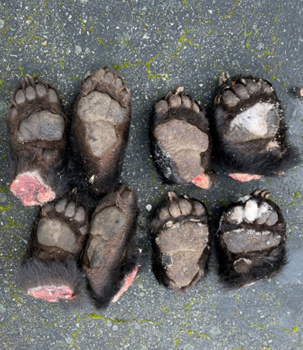
Black market prices for bear gall bladders and other body parts can range between $100 to $200 locally and then sell for thousands of dollars in overseas markets.
“The perceived medicinal value creates an increased demand for the species and their body parts, which threaten the long-term survivability of a population by overharvesting,” said Brad Rhoden, WDFW Police Captain. “Beyond being illegal, it’s highly concerning to unethically waste black bears, or any wildlife for that matter, for nothing more than a few body parts being sold on the black market.”

“Buying and selling of bear gall bladder and certain other bear parts is unlawful in Washington state,” said Scott Halloran from the Washington State Attorney General’s Office, who prosecuted the case on behalf of WDFW Police. “There was no doubt a conviction would be given due to the excellent investigation performed by WDFW on this case.”
This sentencing reflects a collaborative effort between Fish and Wildlife Officers and the Washington State Attorney General’s Office, Environmental Protection Division to combat unlawful wildlife trafficking within Washington state.