
Reminder: New Fishing Fees Coming For 2026 In The Northwest
Many Washington and Oregon anglers will see new fees to fish starting January 1, 2026.
That’s the day a pair of endorsements go into effect for certain waters – the Columbia and its tributaries in the former state, the Pacific Ocean in the latter.
They’re not blanket requirements, however.

In Washington, the Columbia River Salmon and Steelhead Endorsement is required to fish for – you guessed it – salmon and steelhead such as Chinook, coho, sockeye, and summer and winter steelhead on “more than 50 rivers, lakes, and other waters” in the overall basin, WDFW reports.
The agency has a full list of affected waters here, and it specially notes that anglers targeting sturgeon, walleye, bass, shad, trout, etc., do not need the endorsement.
The CRSSE isn’t actually new, per se. A previous version, put in place by state lawmakers in Olympia, was in effect from 2009 through 2019.
Legislators brought it back this past session as a funding replacement mechanism as they sucked appropriations out of WDFW’s General Fund disbursals and which otherwise covered the costs of monitoring fisheries and other directed activities benefiting recreational fisheries (not to mention the state via sales tax and other revenues).
“This reinstated endorsement mirrors the program anglers were familiar with before 2019,” stated Kelly Cunningham, Fish Program director, in a press release out this morning. “Revenue from the fee is dedicated exclusively to Columbia River salmon and steelhead fisheries by state law and cannot be diverted elsewhere.”
WDFW does say that its game wardens “will be using discretion when appropriate and educating anglers about the newly implemented endorsement requirement.”
Out the door, the CRSSE will cost $8.75 for anglers 16 and older and $7.10 for youths and seniors. Any purchased between now and March 31, 2026 will be good through March 31, 2026; a new one will be required April 1, 2026, in line with the start of WDFW’s 2026-27 license year, which runs April 1, 2026 through March 31, 2027.
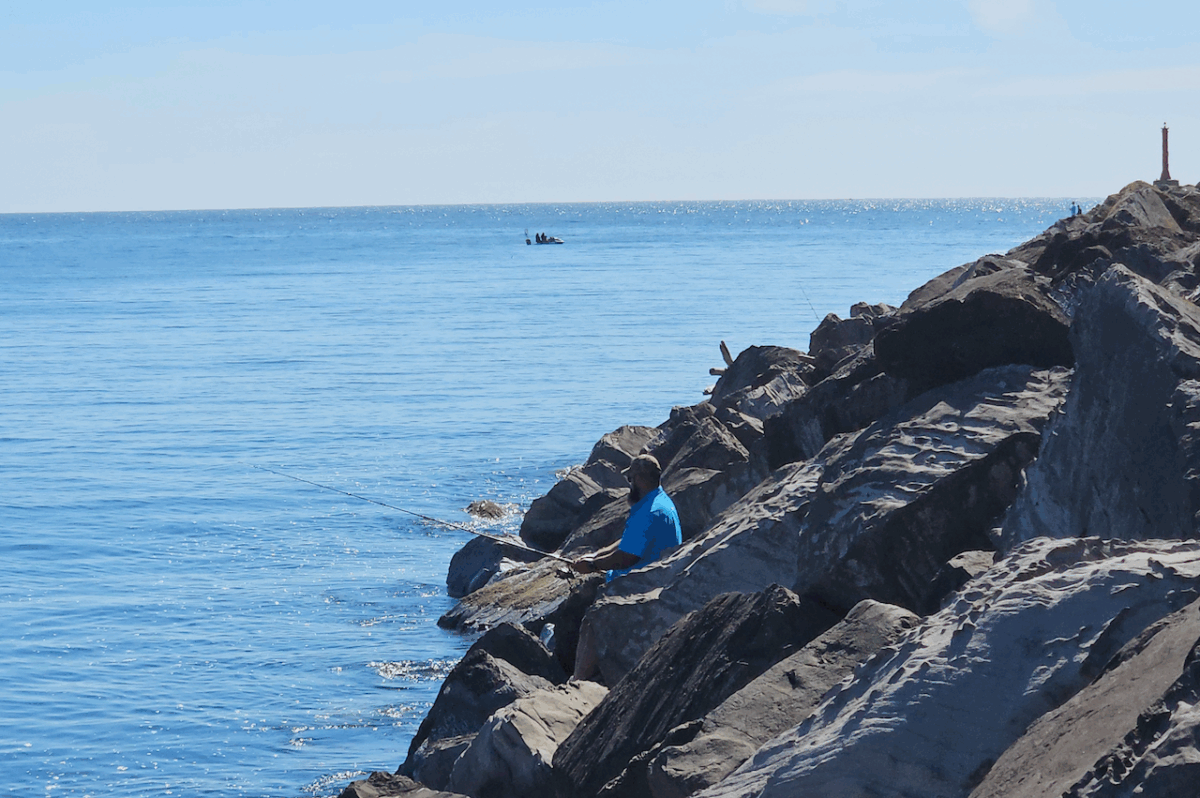
Meanwhile in Oregon, state lawmakers earlier this year created the Ocean Endorsement, and it will be required for anyone fishing the ocean from the beach, jetty, boat or while spearfishing, but only for select species.
It is NOT required for shellfish – think Dungeness, razor clams and shrimp – nor is it needed to fish for salmon and steelhead in the ocean. (Those are covered under other licensing; very few steelhead are caught in the saltwater.)
It is, however, required for other marine finfish that can help make a day out on the briny blue more lucrative for crabbers and Chinook and coho fishermen, and includes the myriad rockfish species – black, blue, canary, deacon, etc. – lingcod, halibut, tuna, and other species.
There are a few exceptions. ODFW says the Ocean Endorsement is not needed on Oregon’s three annual Free Fishing Weekends, which occur in February, June and November, nor do Washington residents or nonresidents with a WDFW license and who are fishing within 3 miles of shore from Cape Falcon north. It also comes free with youth, and resident Pioneer and disabled vet licenses.
ODFW has a handy-dandy flow chart for figuring all this out as well.
An annual endorsement will cost $9, a daily $4.
An average of 215,000 ocean angling trips were made annually between 2014 and 2024.
The arrival of the new endorsement will not help out with the affordability of fishing in Oregon – license fees are going up across the board by 12 to 14 percent for this coming year, and 6 to 8 percent more in the two following even-numbered years – but in this case, funds will provide a long-term funding source for coastal fish stock surveys and research, per ODFW. It’s being accompanied by a four-fish rockfish limit and a three-fish lingcod limit – one more than currently – for all of 2026.
The fee was initially proposed by ODFW and the Fish and Wildlife Commission last year as part of developing a budget package, and then approved by state lawmakers in 2025.
About Author
