



BY ANDY WALGAMOTT, NORTHWEST SPORTSMAN MAGAZINE
Befittingly, it’s a sticky-sharp topic, but Oregon salmon and steelhead fishery managers plan to broach the subject of barbed hooks on the Columbia with their counterparts in Washington over the coming year.
At the end of today’s Oregon Fish and Wildlife Commission presentation and discussion around the pointy end of anglers’ offerings – barbless hooks are currently required on the big river – ODFW Director Debbie Colbert committed to holding informal conversations with WDFW brass.
“I would like to continue to have these conversations. I am listening. I know it’s important,” Colbert said. “I just want to make sure to have the conversations in a way that we are very aware of the tradeoffs and the risks, and maybe there’s even some wins, right? Like if we have the conversation right, maybe there’s some good things for Washington and some good things for us. I don’t know, we’ll see. But I would like to pursue it, and I am listening and I would like to work with our folks here to kind of continue and circle back with you with some updates and progress, if that seems reasonable for you,” Colbert said.

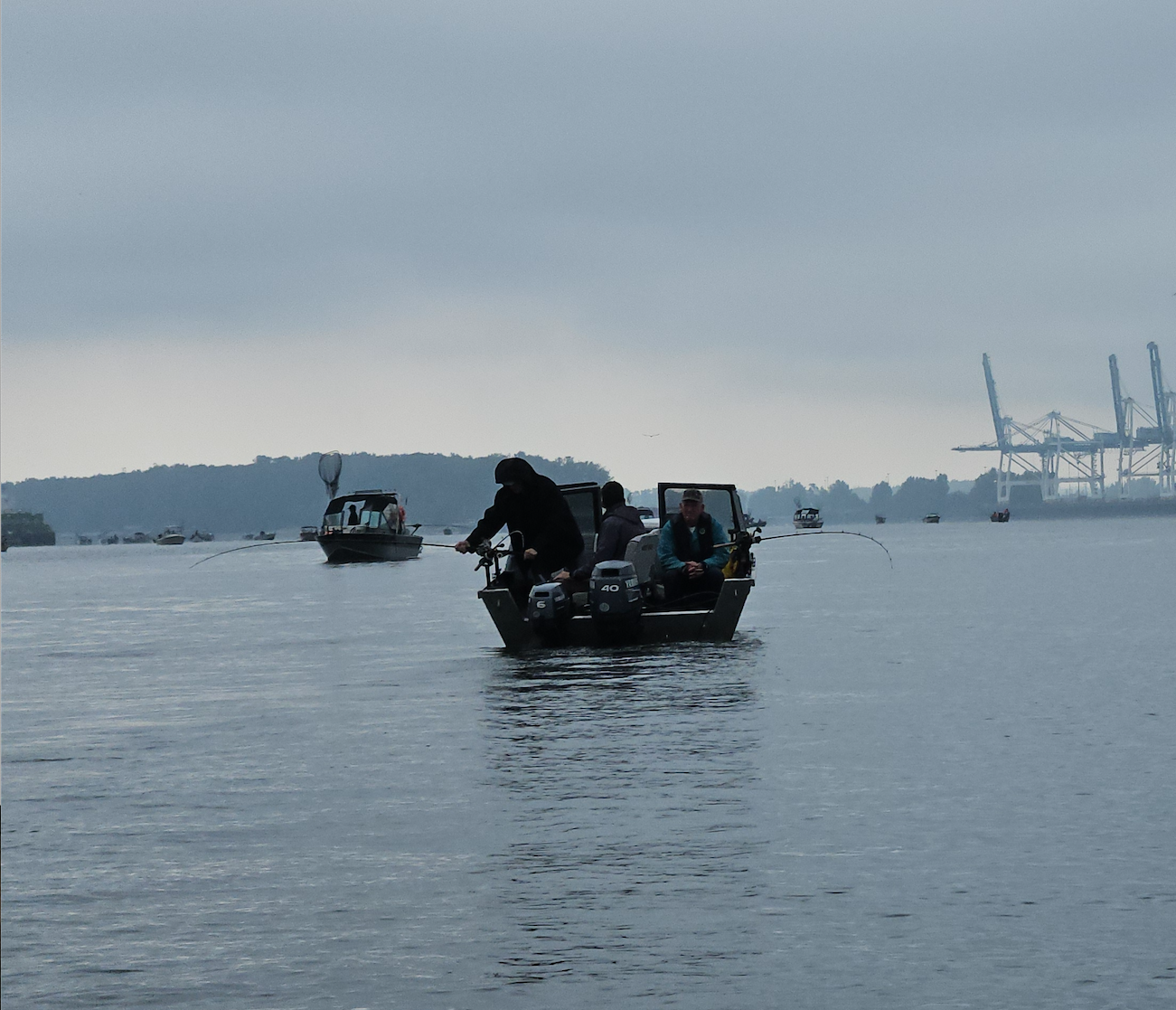
Barbless hooks came out of 2012’s Columbia River Reforms that prioritized recreational fishing on the mainstem and commercial fisheries in off-channel areas, but they aren’t universally popular with anglers.
Even as today he cited growing numbers of warnings or citations for illegal barbed hook use in recent years, Commissioner Mark Labhart of Sisters is perhaps the commissioner most supportive of reviewing the necessity of the barbless hook restriction for fishing for Chinook, coho and other stocks on the river.
“I support what the director is proposing,” Labhart said.
Other commissioners concurred with the proposal from Colbert. She is scheduled to head to Olympia later this month, but the timeframe for talks was broadened by general consensus to across “the next year.”
“By the end of December seems too short just based on my experience with what I’ve seen people do with the Columbia,” said Chair Mary Wahl of Langlois. “It just takes a long time to make these conversations work.”

The move to review the barbless hook restriction is backed by the Association of Northwest Steelheaders and Coastal Conservation Association of Oregon.
“Our top priority remains the recovery of wild fish to the Columbia River Basin and if the agency can make anglers more successful in the pursuit of the basin’s salmon and steelhead, we wish to explore the benefits of a regulation change of this nature,” the Steelheaders stated in an online petition drive that garnered over 300 signatures, according to guide Bob Rees, who spoke before the commission this morning.
A big concern will be, how will allowing barbed hooks again impact released fish survival rates and/or time on the water? Modeling by ODFW of 2025 Columbia fall Chinook fisheries using barbless and barbed hooks and various assumptions show that the latter would have resulted in fewer days of fishing opportunity this past season due to higher harvest and release mortality rates.
The dense tangle that is shared state management of the Columbia and the need for concurrent rules with Washington was acknowledged during today’s meeting, but Oregon commissioners were also told they had support from anglers.
“We are here and we want this and we have your back,” stated guide Bill Monroe Jr.
Dave Schamp of CCA Oregon said it was time to “seriously consider” changing the hook regs.
Will Washington agree? That remains to be seen, but the time to strike may be now with new leadership and blood on that state’s Fish and Wildlife Commission and lawmakers bringing back the Columbia River Salmon and Steelhead Endorsement come January 1, 2026. Allowing barbs might make the fee slightly more palatable.
