THE FOLLOWING IS A PRESS RELEASE FROM THE NATURE CONSERVANCY
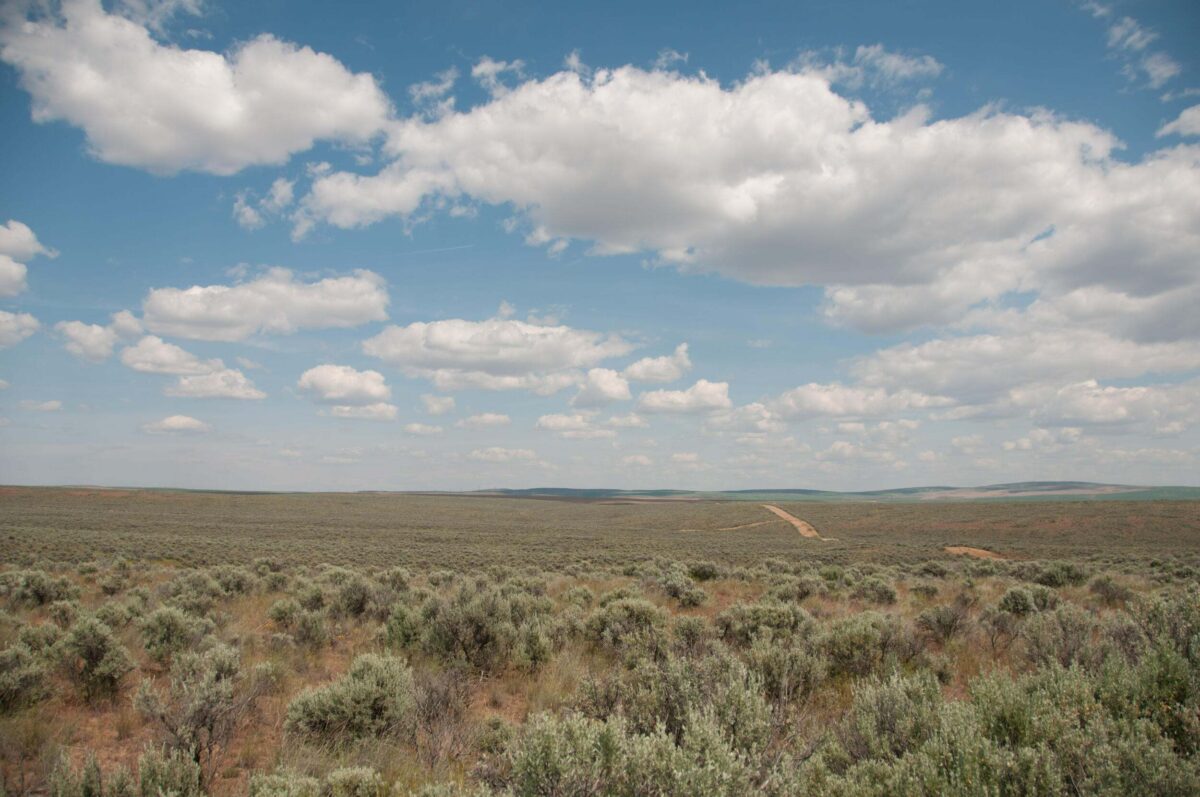
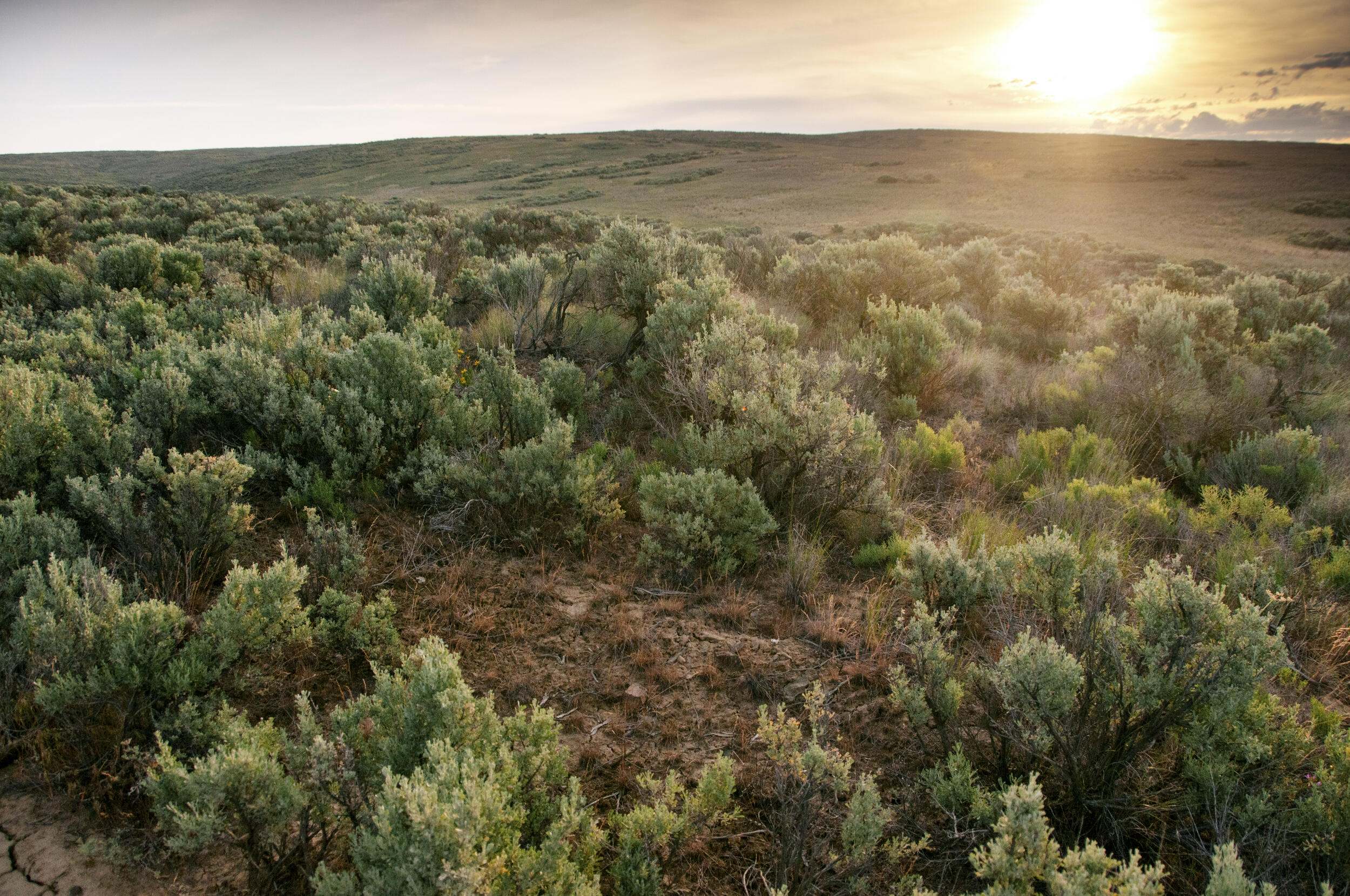
The Nature Conservancy (TNC) announces the transfer of its 9,000-acre Beezley Hills Preserve to the Washington Department of Fish and Wildlife (WDFW), marking a significant milestone in the ongoing effort to protect and restore Washington’s imperiled shrub-steppe ecosystem and the endangered Columbia Basin pygmy rabbit.
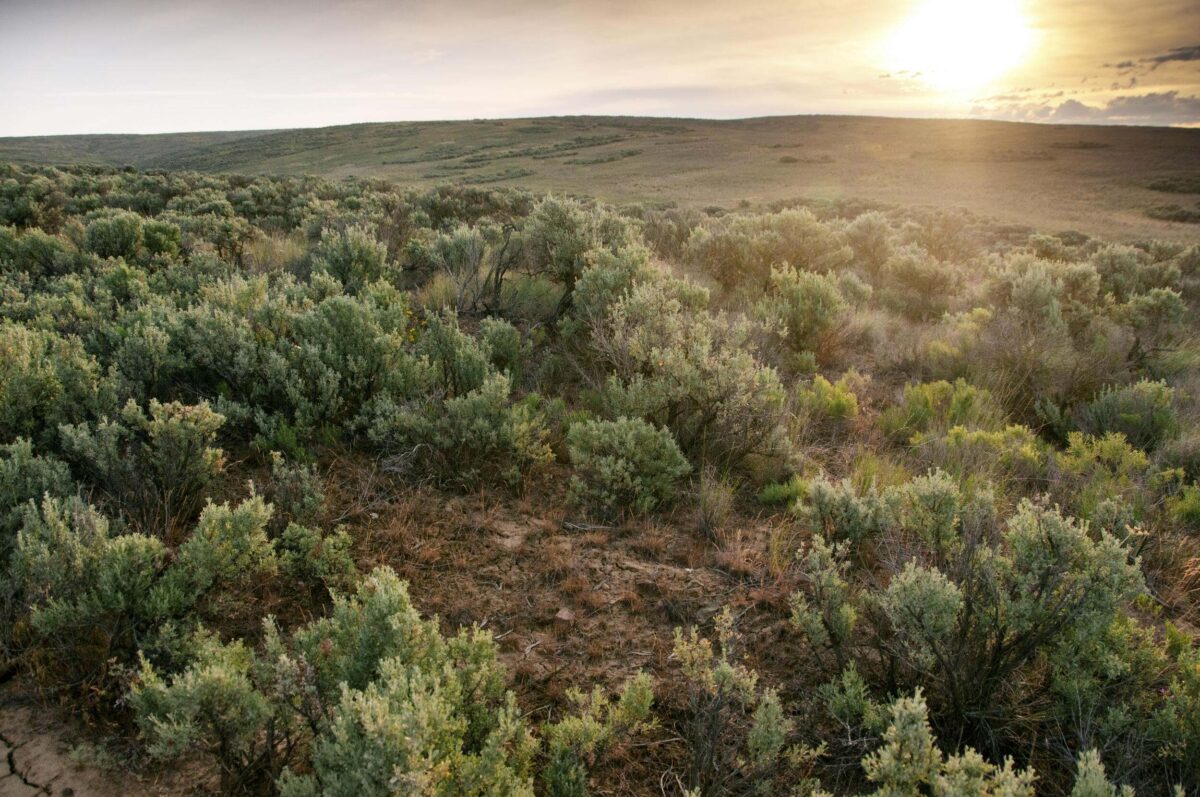
Located in the heart of North Central Washington, in Grant County near Quincy and Ephrata, the Beezley Hills Preserve is part of the largest remaining intact shrub-steppe landscape in the state. The area provides critical habitat for a wide range of native species, including sagebrush, bitterbrush, bunchgrasses and wildflowers like balsamroot and lupine. It is also home to iconic wildlife such as the burrowing owl, ferruginous hawk, sage thrasher and the Columbia Basin pygmy rabbit — one of the most endangered mammals in North America.
“This transfer is a strategic step forward in our commitment to landscape-scale conservation,” said James Schroeder, director of conservation for The Nature Conservancy’s Washington chapter. “By consolidating management under WDFW, which already stewards nearby lands, we’re ensuring that this vital habitat is managed holistically and sustainably for the long term. It’s a win for biodiversity, stewardship and for the future of the pygmy rabbit.”
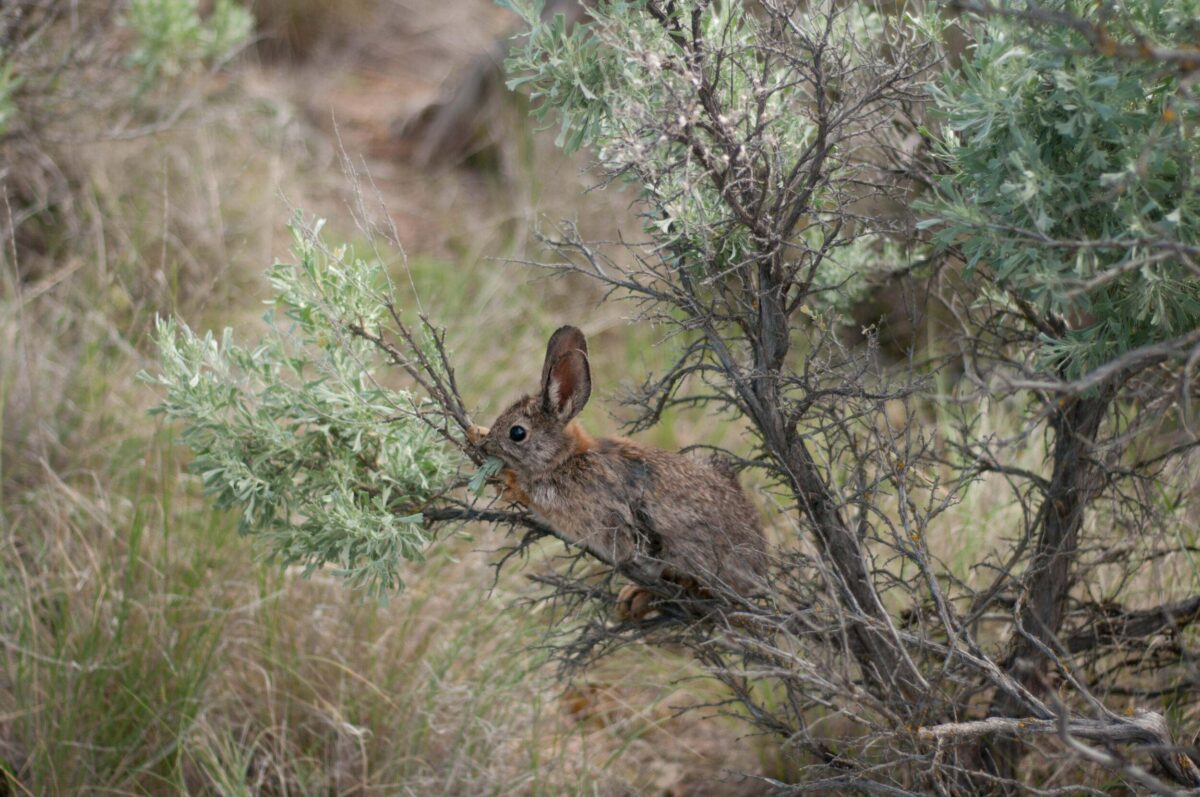
The Beezley Hills Preserve has been a focal point for pygmy rabbit recovery efforts for more than a decade. The preserve already includes a mobile enclosure and release area operated by WDFW that has played a central role in captive breeding, genetic research and reintroduction programs on the preserve. The preserve’s proximity to other WDFW-managed lands now enhances the effectiveness of these efforts — as a new part of the Columbia Basin Wildlife Area and the Pygmy Rabbit Recovery Emphasis Area designated by the U.S. Fish and Wildlife Service.
“We’re honored to take on stewardship of the Beezley Hills Preserve, which protects critical habitat for the endangered pygmy rabbit and many other native species,” said Brock Hoenes, WDFW’s North Central Region director. “This transition allows us to expand and connect our conservation efforts across the shrub-steppe landscape and supports WDFW’s long-term recovery efforts.”
The transfer marks years of collaboration between TNC, WFDW and the U.S. Fish and Wildlife Service and shows TNC’s evolving approach to land stewardship in Washington state. TNC continues to prioritize landscapes where we can have the greatest impact while seeking to transfer some TNC-owned or managed lands to entities better positioned for long-term care. WDFW has the operational infrastructure, scientific expertise and long-term funding mechanisms in place to steward this landscape at scale. TNC will also continue to steward the nearby Moses Coulee Preserve, another key protected shrub-steppe habitat.

“This transition is the result of years of partnership and shared vision,” said David Morgan, Moses Coulee program manager for The Nature Conservancy’s Washington chapter. “It honors the legacy of the donors, landowners and community members who helped establish the preserve, and it reflects our deep commitment to working with Tribes, agencies and local communities to ensure that conservation is inclusive, enduring and rooted in place.”
WDFW will actively manage the newly acquired Beezley property to ensure responsible public use and conservation of its valuable resources. To maintain the habitat and minimize impacts, WDFW reminds visitors to focus on access by remaining on county roads and only walking into the property — no off-road vehicle use will be permitted. Visitors should be especially mindful of parking safely when pulling off roads and take precautions to avoid fire danger in this sensitive landscape. Camping, target shooting, and any kind of open fires are prohibited to protect wildlife and reduce safety risks. These measures are designed to preserve the ecological integrity of the area while providing continued public access for outdoor recreation.
The Beezley Hills Preserve was established through the generosity of many donors, individuals, organizations and public agencies. Their contributions and support from the community have helped safeguard a landscape that will now remain in conservation-focused hands for generations to come.