BY ANDY WALGAMOTT, NORTHWEST SPORTSMAN MAGAZINE
Nearly 167,000 rainbow trout had to be sent to a private landfill instead of local lakes earlier this week due to an outbreak of botulism in their rearing pond at a WDFW hatchery in Mason County.
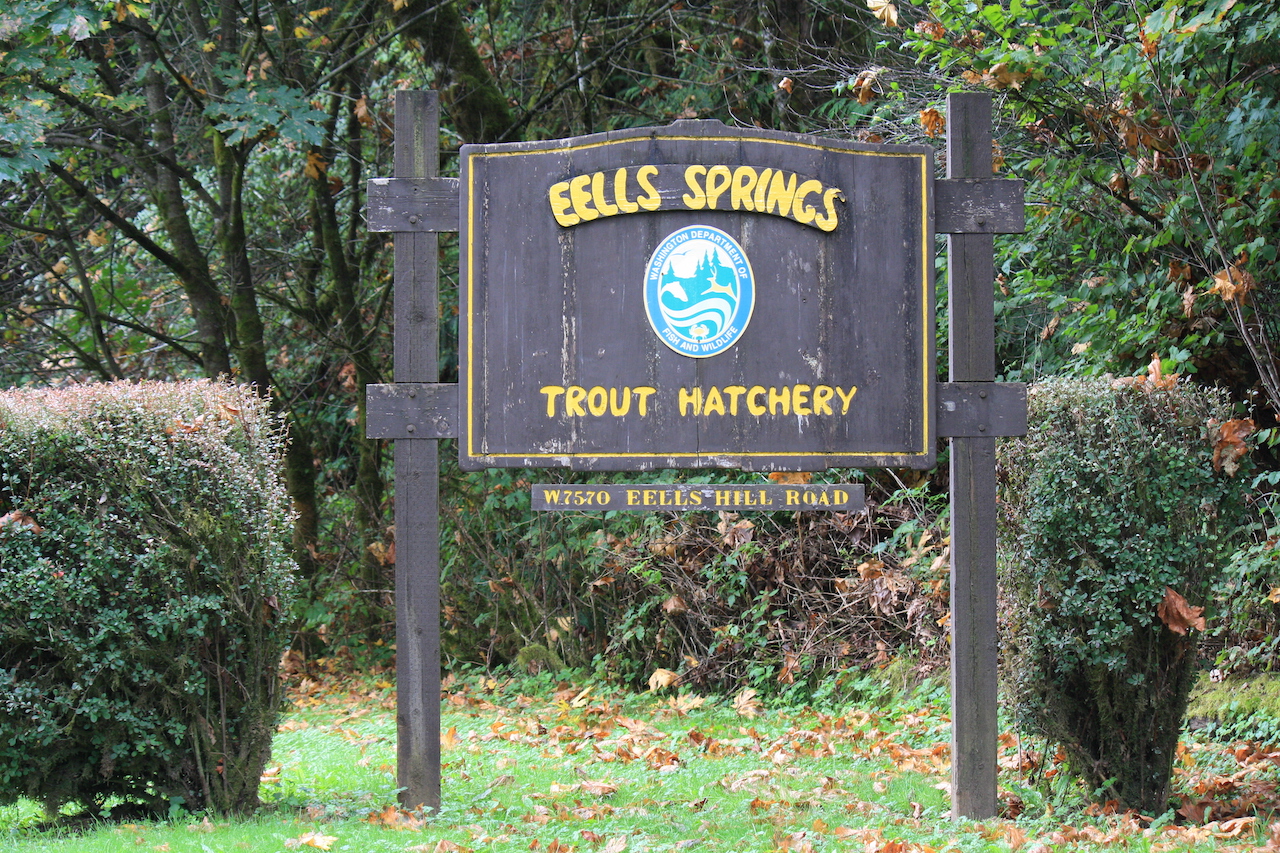
According to WDFW, the outbreak traces back to an “unexplained increase” in lost trout seen in late March at Eells Spring Fish Hatchery in the lower Skokomish Valley northwest of Shelton.
Samples sent to an out-of-state lab showed the fish had been infected with botulism. They had been been hit with bacterial gill disease earlier as they reared, which led to some mortality as well as botulism as healthy rainbows then ate sick ones.

“There is no public health concern, and WDFW has not stocked any lakes with sick fish,” the agency reported in a special statement posted late this morning. “Only one hatchery rearing pond contained affected fish, and staff covered and fenced the pond to prevent wildlife interactions.”
According to spokeswoman Bridget Mire, the fish averaged 1/2 pound each, making them what are known as catchable-sized trout.
May and June releases are expected to be reduced, though plans for fall stocking are still on, per WDFW.
Eells Springs rainbows are put into a number of lakes in Kitsap, Mason, Pierce and Thurston Counties in support of local fisheries. In just the last 30 days, the hatchery has shipped nearly 120,000 trout ranging from 2 pounds down to .4 pound.
WDFW describes botulism as “a rare illness caused by the bacterium Clostridium botulinum,” spores of which are “common in soil, freshwater and marine sediments, and fish gills and digestive tracts.” When conditions are just right, “such as low oxygen and warmer temperatures,” those spores can activate, growing and creating toxins that “block nerve functions and can cause difficulty breathing, muscle paralysis, and death.”
“The Department continues to evaluate the situation to determine next steps and future preventative measures,” WDFW’s statement also reads.
Documents on the Washington Department of Ecology’s Water Quality Permitting and Reporting Information System say that WDFW plans to drain and dry the affected pond this summer. Those documents report a total mortality estimate of 72,000 pounds of fish, down from an initial estimate of 84,000 pounds.
They also detail concerns back in early to mid-April around how the trout were going to be disposed of because of the botulism, a request by a landfill for them to be “triple bagged” before being accepted, and the need to make 19 tanker truck runs because of the sheer volume of fish.
In one email, a DOE staffer calls the outbreak “truly a remarkable and novel event … The sheer scale is unprecedented, obviously leading to the complications in the removal.”
In another, WDFW says some of its wildlife area lands where the disease wouldn’t enter the water table would be potentially available as a disposal site, though it would not be the agency’s first choice. Further emails point to landfills in King, Cowlitz and Klickitat Counties and Oregon as potential destinations to check into.
In the end the 166,700 were sent to a private landfill yesterday, at a cost of around $1,760. Other aspects of the loss of the fish are still being calculated, according to Mire.