THE FOLLOWING IS A PRESS RELEASE FROM THE OREGON DEPARTMENT OF FISH AND WILDLIFE
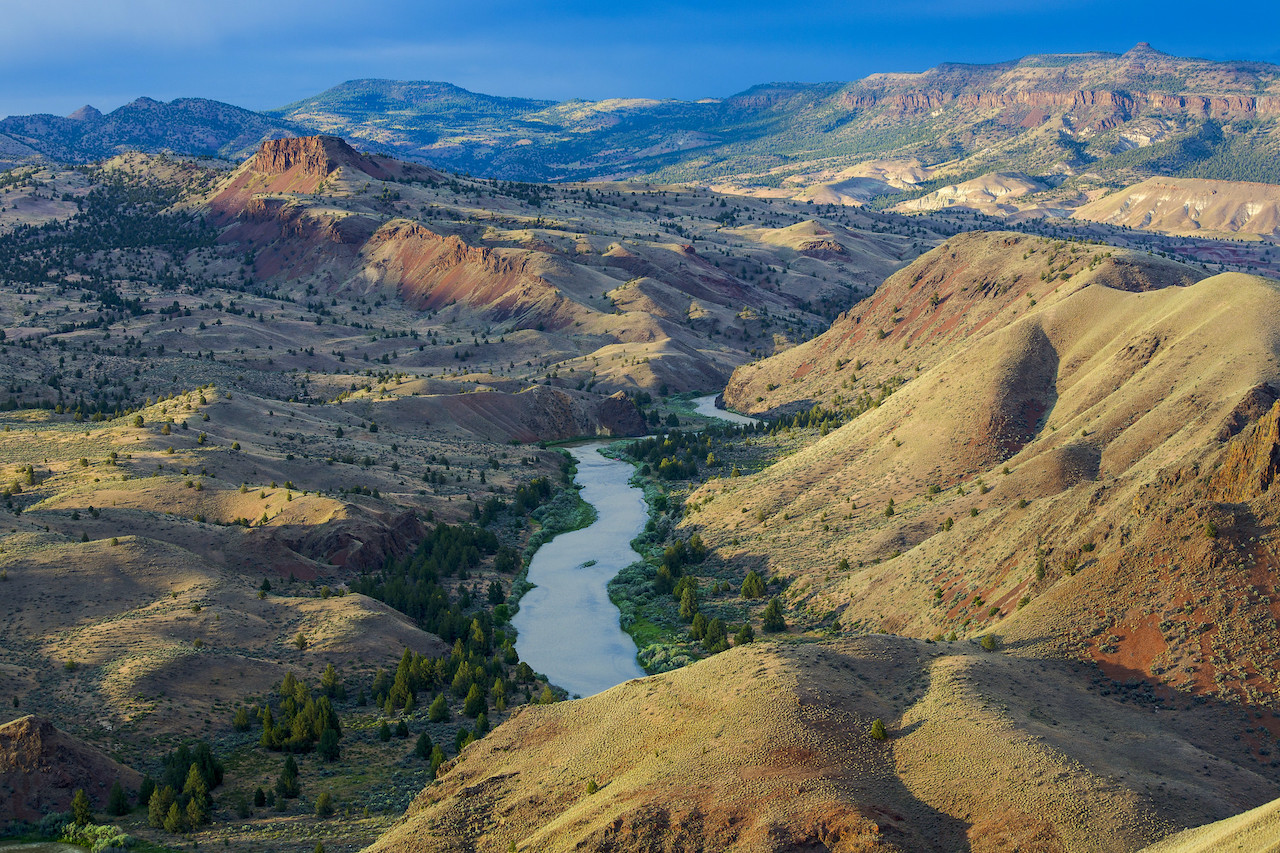
Steelhead fishing will close on the John Day River Sept. 1 to protect wild upriver summer steelhead migration and consistent with ODFW’s John Day River Steelhead Framework.
The closure will remain in place at least through Dec. 31. 2026 and likely continue into the new year. The closure runs from the mainline railroad bridge at the confluence with the Columbia and all sections upstream, including both the North and Middle Forks of the John Day River, as well as all tributaries.
The Framework was developed in 2021 in response to record low steelhead returns that closed steelhead fishing on the John Day, Deschutes and other rivers for the first time in decades. It is meant to provide transparency on what management actions will be taken and when, so anglers, guides and local communities can prepare.
The John Day recreational fishery framework factors Wild A counts of summer steelhead over Bonneville Dam (e.g. passage after July 1), the estimated smolt-to-adult return ratio for the John Day Basin, as well as predicted levels of hatchery stray rates from the Snake River Basin to determine if any fishery actions are necessary. Only about 15,000 wild steelhead have passed Bonneville Dam from July 1-Aug. 23, falling short of the 20,000 minimum count necessary to keep the recreational fishery open.
Additionally, tagged adult returns suggest that the smolt to adult ratio will fall below 1%. Smolt barging from the Snake River has been overall extremely low in recent years, indicating we will see few instances of hatchery straying into the John Day.
Returns of upriver summer steelhead (those destined for areas upstream of Bonneville Dam including the Snake River Basin) have been poor for over a decade. The runs of most concern, upriver A/B-Index summer steelhead, don’t enter the lower Columbia River until early summer and start passing Bonneville Dam on July 1.
After passing Bonneville, these fish must navigate as many as eight dams to reach their spawning grounds in the upper Columbia and its tributaries including the Snake River. This year’s poor run could also be influenced by the drought which is causing lower and warmer water in streams critical for migratory salmon and steelhead and other fish.
Anglers are reminded to always check for the latest regulations before fishing by visiting the Regulation Updates page for their zone.
For more information about steelhead management in the Columbia Basin including benchmarks used to consider fisheries, visit
https://myodfw.com/articles/steelhead-management-columbia-snake-river-basins