BY ANDY WALGAMOTT, NORTHWEST SPORTSMAN MAGAZINE
Last month we looked at Northwest deer prospects. This month we’re turning to the feathersome forecast.
OREGON
Stop us if you’ve heard this recently, but a mild winter saw good survival for upland birds in the Beaver State – just as it did with deer – but the following months were not as kind. The Oregon Department of Fish and Wildlife reports that bird populations “held steady” overall but to “expect to find fewer juveniles per adult than last year.”
That’s a function of habitat quality and the vagaries of spring and summer weather as it applies to nesting success and forage abundance. This year saw a lot of flocks get on nests early following the “virtually nonexistent winter,” but it didn’t work out well in many cases, though follow-up efforts did add some birds to the landscape, according to ODFW.
In the wake of Oregon’s new record 2.5-million-acre wildfire season, hunters should poke around “intact habitats” for their quarry. That is certainly the case in the High Desert region, where quail numbers are booming and chukar numbers are up a bit from 2025.
But where the Big Grass, Coleman Creek, Second Flat and other fires ripped through portions of the sagebrush sea, hunters are advised that bird numbers were expected to “decline significantly” in coming years due to lost habitat. Still, this is vast country and lots of good chukar areas didn’t burn.
“Pheasant numbers are also up in the High Desert, but unfortunately fire-related closures on the Malheur National Wildlife Refuge will affect access to some of the area’s best pheasant hunting,” ODFW reports. NWR managers said the Buena Vista Unit will be closed through the end of hunting season due to impacts from the Stubble and Jackass Butte Fires.
Quail are “having a big year” in the Baker District, ODFW states, while on the other side of Oregon’s Alps, the Wallowa District is “looking excellent” for topknots. To the west, the Umatilla, Grant and Union Districts are singled out as helping drive overall quail numbers to a peak not seen since 2015.

However, chukar numbers are down throughout Northeast Oregon, and what’s more, prime redleg habitat near Brownlee Reservoir and elsewhere was burned this past summer, though the Baker District “still has strong chukar numbers.”
Quail prospects also look good in Lake and Klamath Counties, while chukar production in the former county was reported as “fair.”
One place quail aren’t crushing it is Northcentral Oregon’s Columbia District, though there in the state’s upland bird breadbasket ODFW does report chukar and Hungarian, or gray, partridge are both up over 2025, while pheasant are a bit down. West of the Cascades, mountain quail “are responding to the post-fire habitats in the Cascades and Coast Range, colonizing these early seral habitats and reproducing in good numbers.”
Oregon seasons for partridge and quail run through January 31, 2027, pheasant hunting through New Year’s Eve 2026.
OREGON CHUKAR HUNTER DIES IN FALL
An Oregon chukar hunter died as a result of a fall “down a rock chute” above the Snake River near Richland last weekend, according to a local report.
Anthony Van Cleave, 49, of Mount Vernon was hunting with his young son and a friend of his son the afternoon of October 18 near the Moonshine Mine Recreation Site on Brownlee Reservoir when the accident occurred.
Van Cleave was described as “an experienced hunter familiar with the area who was also a Baker High School graduate” by the Baker City Herald, which reported that he and the boys had been hunting at different elevations and become separated.
Hiking down to Snake River Road, the boys spotted their hunting dogs and Van Cleave’s vest above, and after hiking back uphill found him. A passing nurse and other first responders confirmed he had passed away.
“These are incredibly tragic circumstances that no family should have to experience,” Baker County Sheriff Travis Ash told the newspaper.
IDAHO
In the Gem State’s Clearwater Region, quail and chukar are the best bets. “Good numbers” of the former species have been seen this year; brushy patches near fields are good spots to target. But it’s the latter species that is showing the most promise.
“Biologists have observed strong chick survival, large broods and robust populations throughout the Salmon and Snake River drainages, with particularly encouraging numbers in Hells Canyon,” the Idaho Department of Fish and Game reports. “These conditions point to an excellent chukar season this fall.”
In the Southwest Region, dry conditions that led to a harvest dropoff last year persisted this year and was expected to impact numbers of upland birds. Just like across the state line in Oregon, quail numbers look good but brood sizes were on the smaller side. On the north end of the region, there were fewer quail and partridge broods, though those spotted by surveyors were on the large side. Wildfires, including the Big Grass and Tartar Fires, also burned up good bird habitat.
IDFG also releases pheasants through December at six locations in the Panhandle and Clearwater Regions, five in the Southwest Region.
Idaho quail, partridge and pheasant seasons run through the same dates as Oregon’s.
WASHINGTON
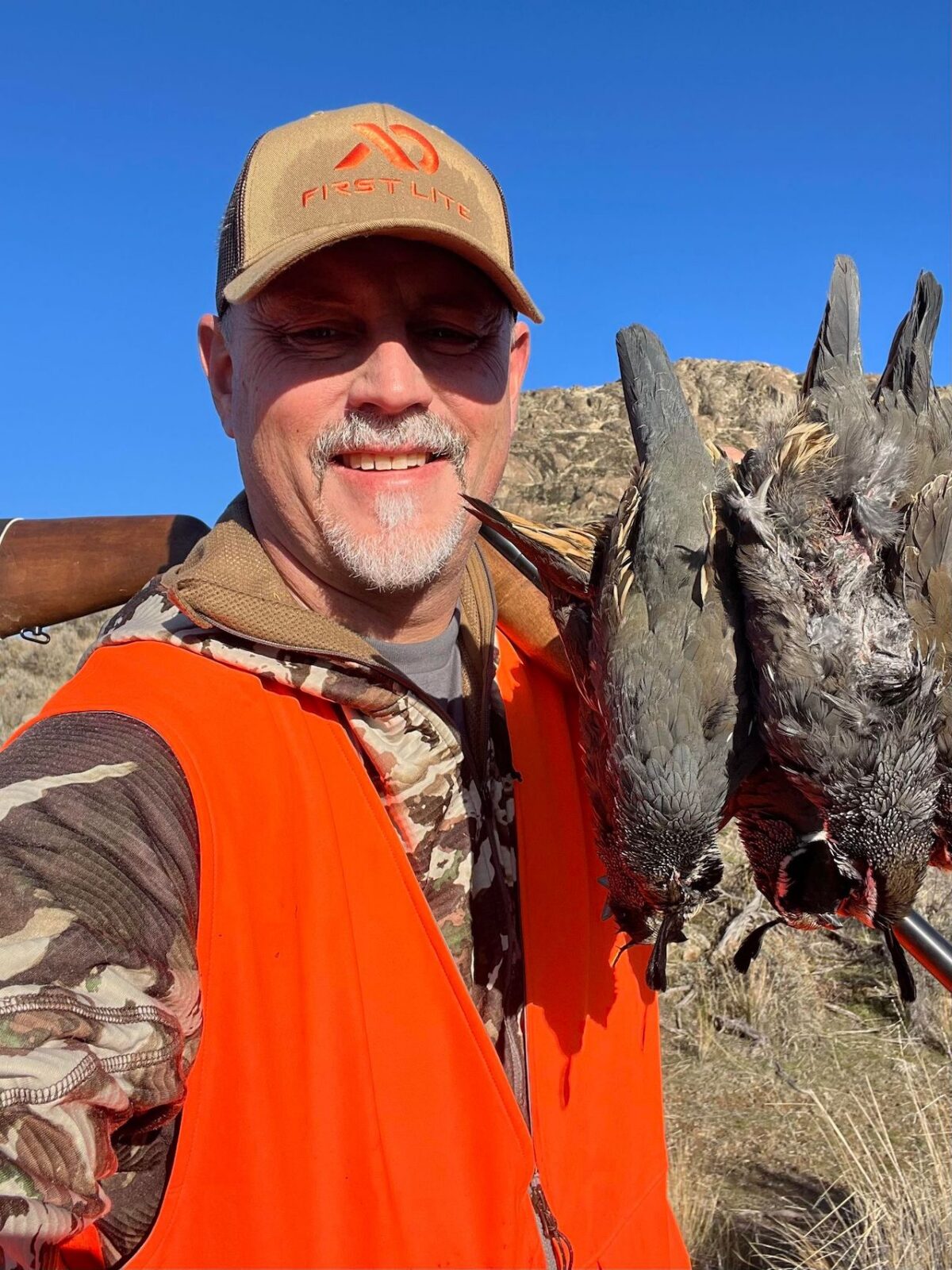
The Evergreen State has a couple different upland bird heartlands, and the Palouse might be where it’s at for wild pheasants. Nearly 20 percent of Washington’s ringneck harvest last year came from the Department of Fish and Wildlife’s District 2, comprised of Spokane, Lincoln and Whitman Counties, and what’s more, take has been on the rise in recent seasons. In 2025, 2,490 hunters bagged 9,046 roosters, about 3,000 more birds than in 2022.
Biologists report that last winter and spring were mild, so they expect that to have produced above-normal overwinter juvenile survival and decent hatches this spring. “This is the fourth consecutive year of relatively mild conditions, so the pheasant population should respond positively to these conditions,” they say.
Whitman County is the epicenter for pheasants and pheasant hunting, but it’s nearly entirely private land, so you’ll need to knock on doors or peruse WDFW’s Private Lands Hunting Access Program (privatelands.wdfw.wa.gov/private_lands/search.php) for enrolled properties there and elsewhere.
Of note, District 2 partridge kill has also been on the upswing, from 4.0 birds per hunter in 2022 to 6.2 in 2025. Mostly that is Huns, but some chukar hunker in the Snake River Breaks, where there are Army Corps of Engineers habitat management units to work. Quail harvest has also been increasing and last year served up 7.0 topknots per hunter.
Where pheasant hunting on the Palouse is primarily for wild birds, along the Snake River bottoms and south of there in the four Blue Mountains counties it’s supported by birds released at 10 sites through the Eastern Washington Pheasant Enhancement Program. Note that the Corps’ Hollebeke HMU won’t get any this season due to a June wildfire.
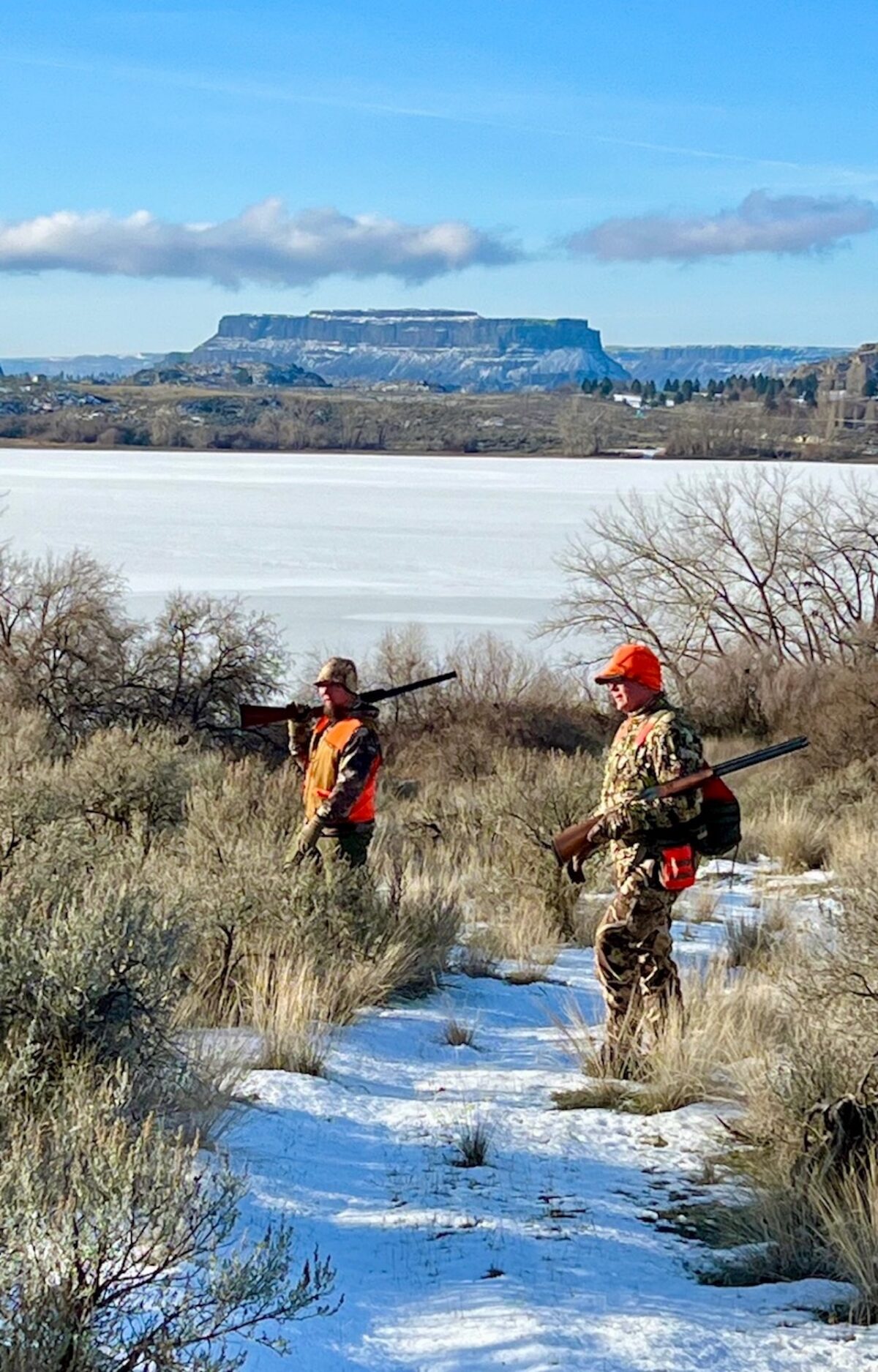
Biologists report probable good adult ringneck survival, but there was a question about whether this year’s hatch had enough to eat. “Overall, wild pheasant numbers are likely to be below average this coming hunting season, but with continued WDFW pheasant releases supporting a put-and-take hunt of pheasants, we don’t expect to see harvest rates dip much compared to last year,” they say. Some 6,000-plus birds were taken in this region in 2025, up from roughly 5,000 the year before.
On the quail front, these diminutive birds are “common” in the river and creek bottoms raying out from the Blue Mountains, and harvest per unit effort has been “stable to very slightly increasing over the last five years.”
“(The) breeding conditions during spring and early summer of 2026 have been good for nesting success, but may not support good survival of any late-nesting birds,” biologists say.
There’s more public land in this neck of the woods, er, weeds, than on the Palouse, but WDFW’s private land program is worth looking into for farms and ranches that open their lands in one form or another.
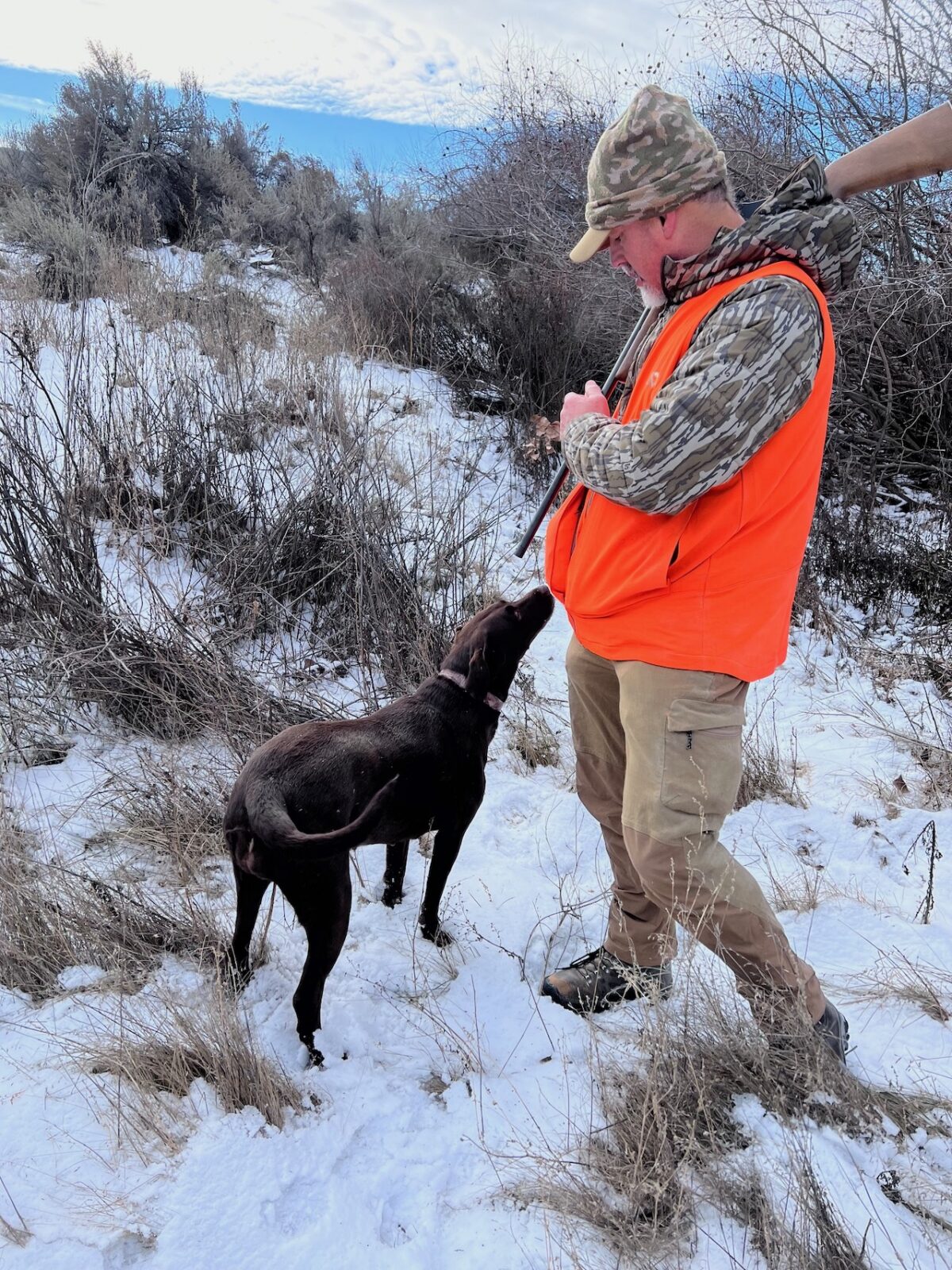
Grant County is another one of Washington’s upland bird meccas, and per WDFW the county has accounted for the highest number of pheasants taken annually every year since 2006, including 4,881 last year. It offers a mix of wild and pen-raised birds; the former will be in thicker stuff, with the public and private lands between George and Potholes Reservoir called out as particularly productive, while the latter can be found at the Dry Falls, Steamboat Rock, Quincy and Buckshot release sites.
“Hunters can anticipate seeing many pheasants in District 5. Most hunters who invest effort and cover ground will find wild birds. Hunters can increase their chances for a productive hunt by selecting nontoxic shot and diversifying the game bag with waterfowl and other upland birds,” biologists tip.
Grant County is also known for quail hunting – last year 9,807 were harvested here – and it is “expected to be good again this year with reports from the field painting an optimistic picture.” Again, there is a good amount of public lands to work.
And while their numbers aren’t as robust, Hungarian and chukar partridge “populations look pretty good right now,” per the bios. Look to the eastern side of Grant County and Adams County for the former species, and the breaks of the Columbia River and lower and upper Grand Coulee for the latter.
Grand scheme, quail hunting is not what it was 10 years ago in Yakima and Kittitas Counties, but they have still been producing 6,000 to 10,000 birds annually, and that’s nothing to shake a stick at. Look to WDFW lands and the Yakama Reservation (the latter requires a tribal permit). On the flip side – and this seems apropos – chukar hunting is on the up and up, with harvest last year in Kittitas County higher than any previous season back to 2016 and take in Yakima County recovering nicely from down years at the start of this decade.
Pheasant harvest has been declining in Tri-Cities area counties, so the focus more and more is on the Hope Valley, Big Flat and Lost Island release sites. Quail numbers are also dropping.
Elsewhere, biologists report that last year saw the best quail harvest in Chelan County since 2020 and this year may be the same or slightly better. However, Douglas County was down, though this year’s early mild, moist conditions inspired some hope for a reversal. Chukar hunting was expected to be about the same as last year. And in Okanogan County, quail prospects look decent after 2025’s “significantly” increased harvest. “Harvest success is often a function of spring and summer weather. Modest conditions thus far may bode well for prospects this fall,” biologists forecast.
Washington’s season for chukar runs through January 31, Eastside pheasant, quail and Hungarian partridge through January 18, and Westside quail and pheasant through November 30. Westside pheasant release sites do remain open December 1-15, though no birds are stocked.

WASHINGTON PHEASANT RELEASE UPDATE
The Evergreen State’s ringneck ranch is under the gun. With the Bob Oke Game Farm near Centralia suspected of contributing to high nitrate levels in the local aquifer, the Washington Department of Fish and Wildlife has reduced production at the facility by nearly half from historical levels.
So what does that mean for wingshooters chasing pheasants at state release sites this season? WDFW spokeswoman Jennifer Sepulveda says that the 6,000 to 7,000 pheasants formerly reared at the farm for release at Eastside sites are now coming from private vendors, but production for Westside sites is down 10,000 birds from pre-2025 levels “to support soil health and budget sustainability.”
“Even with these adjustments, Western Washington opportunity remains strong, with 27,000 pheasants released during the 2025 season and an anticipated 23,500 for the 2026 season across 25 release sites over a 10-week season, making the 2026 season very similar to last year and ensuring that the overall hunting experience for Western Washington hunters remains reliable,” she says.
Note that no birds will be stocked at the Intalco release site near Bellingham due to emergency repairs to a pipeline there, Sepulveda says.
Westside pheasant season opened up back in Sepember, and so far hunters have been pleased with field conditions and opportunities at release sites, she says. However, there’s no money in WDFW’s budget to buy birds from private vendors to make up the difference from past years at release sites west of the Cascades.
Speaking of money, earlier this year, state lawmakers provided $50,000 for WDFW to begin looking for alternative sites to raise pheasants, but the agency warned that relocating the Bob Oke Game Farm will ultimately cost “tens of millions of dollars.” Meanwhile, WDFW requested $800,000 from legislators to continue remediating nitrate contamination there. Previously they’ve worked to reduce further pollution by altering how they rear the birds at the facility and deal with their waste, as well as planted 100 poplar trees to suck up nitrates out of the ground.