By MD Johnson
Time again, folks. Midfall is upon us, and for waterfowlers throughout the Pacific Northwest, this can only mean one thing: The start of the heart of another much anticipated waterfowl season is here.
Waterfowl hunting has changed dramatically since I killed my first mallard duck back in 1974. Biologically, we’ve seen good numbers, great numbers and numbers carrying concern. No canvasbacks. One canvasback. The Point System and its varying values for duck species and overall 100-point daily limit. Sixty-day seasons. I can remember when, back in my native Ohio, hearing or seeing a flock of Canada geese was one for the books. Today, as it’s been for more than three decades now, Canada goose populations have swelled across the country, with many regions holding early September “conservation seasons” in an attempt to bring these numbers back to within reason.
But ducks? Ducks are having a bit of a hard go of late. The northern Great Plains, North and South Dakota, have gotten drier over the past 20 years, and the ponds that ducks rely on for virtually everything, especially nesting, have disappeared, with the US Fish and Wildlife Service posting a 10 percent drop in their pond counts compared to 2025. The good news? Canada has gotten wetter, or relatively so in comparison to past years, with a 29 percent gain in their pond count from last year. So there’s water; not as much as the birds need nor hunters would like, but it’s there. For now.
That all said, there’s no denying there will be birds to chase this season. Yes, and for us here in Washington and Oregon, mallard and pintail numbers are, says USFWS, down; however, wigeon and greenwing teal – bread and butter birds for us here in the Northwest – are up 12 and 6 percent, respectively, from the long-term average, or LTA, while grey ducks (gadwall) are up 13 percent.
The bottom line? We ’fowlers will take what Mother Nature gives us this season, as we’ve done in seasons past. Here to provide a little insight as to what Mom may serve up are Brandon Reishus, the Oregon Department of Fish and Wildlife’s migratory bird lead, and Kyle Spragens, waterfowl section manager for the Washington Department of Fish and Wildlife.
But first, this national overview from USFWS.
Dabblers are down. Divers are up. That’s the word from the fed’s annual breeding population and habitat survey, released back in late August.
Much to the chagrin of many a duck hunter across the nation, mallards continue their slow, downward trend, falling 11 percent from 2025 to 5.8 million (6.5 million in 2025), which puts them 26 percent below the species’ traditional LTA. Also down 11 percent for 2025 were bluewing teal (3.96 million; 22 percent below LTA) and northern pintail (1.99 million; 48 percent below LTA). Pintail are of particular interest due not only to a 37 percent decline in Alaska, long the species’ breeding stronghold, but the USFWS’s daily bag limit change for pintail in 2025 from one to three, the 2025 harvest results of which have yet to be determined.
On a positive note and for those fans of big-billed ducks, northern shoveler numbers are up 19 percent, rising to an estimated 3.29 million from their previous 2.76 million. Redheads, canvasbacks and bluebills/scaup, too, posted increases of 1, 13 and 13 percent, respectively. That’s great news for big water fanatics, though daily bag limits for all three diver species remain at a conservative two, with Washington once again scheduling a season within a season for scaup.
OREGON DUCK, GOOSE PROSPECTS
Northwest Sportsman We’ve used the phrase long-term average, or LTA, here several times already, Brandon. For those who might not be familiar and in layman’s terms, define LTA.
Brandon Reishus It’s the average of whatever metric we’ve used over the length of time we’ve conducted a certain survey. So when we use LTA as it applies to federal waterfowl numbers – they’ve been doing that survey since 1955, Oregon since 1994 – it’s the average of the data collected over that period of time.
Author’s note: To further clarify, and perhaps more so for myself than the readership, the LTA for mallards, if my math is correct, is roughly 7.4 million individuals; thus, the 2026 count of 5.9 million mallards represents a figure 26 percent below the LTA. Now I understand!
NWS Nationally, USFWS allowed the daily bag limit on pintails to increase from one to three per hunter. Is it too early to speculate as to how that went during the 2025-26 season?
BR I would say yes. One breeding population number (after) that regulatory change isn’t going to tell us anything. The USFWS survey this year had pintails at roughly 2 million, and they’ve been hovering right around 2 million for the past five years. So if you look at the numbers of the past five years … yeah, the number went down this year, but there’s so much variability in that estimate that whether it’s truly a population change, I couldn’t say. And if you look at those last five counts, they’ve all been right around 2 million, plus or minus 200,000 birds.
NWS True, mallard numbers are down across the board (says the USFWS), but how are they doing here at home?
BR They’re better, and we’ve always known that with our Western mallards. And that’s why the (Pacific) flyway felt it so important for many decades to try to get our duck seasons based off of our mallard numbers and not the Prairie mallards, “our” mallards being those that breed in Alaska, British Columbia and the Western states. It’s a much smaller number when you look at it, but in the long term, we’re relatively stable. Perhaps a little bit down from our LTA, but not nearly as volatile as those Prairie mallards. And if I remember correctly, our estimate for our Western mallards was actually up slightly from the previous year.
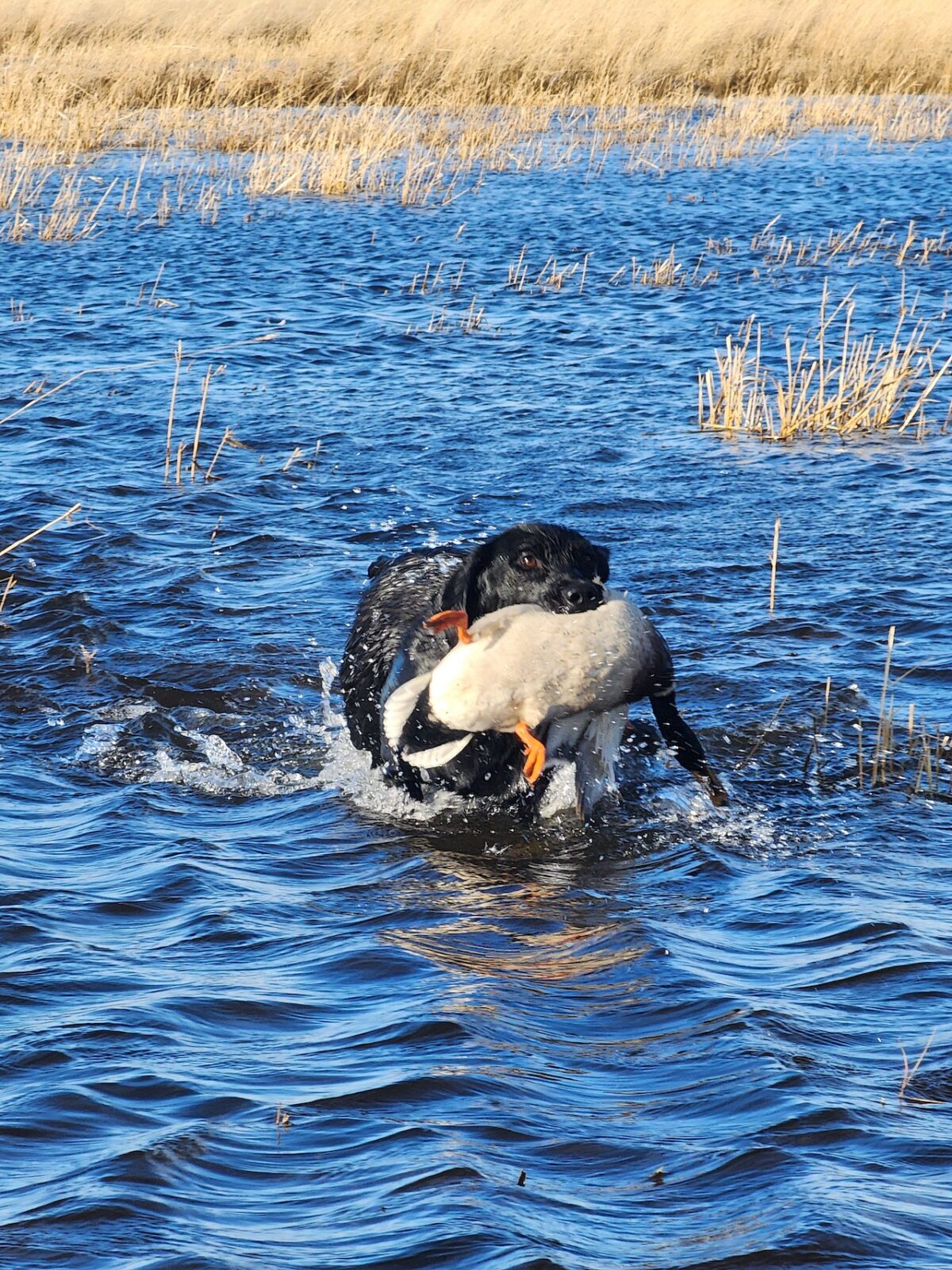
NWS Bread and butter birds for PNW hunters – greenwing teal and wigeon – are both down numerically from 2025, but above the LTA for ’26. That’s good news, yes?
BR It’s not bad, but it’s one of those things truly whether or not there really was a change in population size – that’s very difficult to say. The numbers are what they are. It’s a large survey where you’re flying the same transects every year. But when you get into some of that area, just seeing a few more ducks expands out into a lot more ducks. And depending (on variables) like when the surveys were flown and had the birds actually reached their final breeding grounds … there’s a lot of factors, and annual variability plays a huge role. It’s difficult to assess if it’s truly a change. But any time you’re above the LTA, that’s good.
NWS Divers like redheads, canvasbacks and scaup/bluebills all posted increases from 2025, with redheads and cans coming in as 26 percent and 32 percent, respectively, above LTA. Excellent news, yes?
BR It is. It is. Redheads especially have done pretty well over the past couple decades. And the one you don’t see in the (USFWS) data – because it’s never been one of the ducks the feds publish but they’re still counted – are ringneck (ducks). Ringnecks are doing fabulously well. I mean, if the graph was in the report, everyone would be going, “Why are ringnecks up so high?” And you can see it in the harvest; ringneck harvest continues to climb over the LTA, which suggests there truly is a very significant population increase with ringnecks. But overall, the divers seem to have done really well this year.
NWS I know we’re working with seven different goose subspecies here, so this may be an unfair question, but collectively, how are Canada geese faring here in the Pacific Northwest?
BR (They’re) still abundant, but they’re down slightly. Overall our flyway index, which doesn’t include all areas of the flyway but does include Alberta, Oregon, Washington, California and British Columbia, is down from recent highs of seven or eight years ago, but still well above what we’d consider our population goals.
In Oregon, our breeding surveys showed a drastic decline going into 2023 and I think that was likely due to avian influenza impacts the first year that came on the scene. And drought. We had several years of drought in Eastern Oregon all strung together. But they’ve now recovered, and this spring our estimate had jumped up above our LTA.
Locally, our Canadas are slowly clawing back. It’s the cacklers, the small geese, that are hurting quite a bit more than Canada geese in general.
WASHINGTON WATERFOWL OUTLOOK
NWS Let’s start with the same question we started with with Brandon, and that’s pintails. One to three daily bag in 2025, now through the 2027-28 season. Too early to tell anything?
Kyle Spragens We just got the harvest number (in), and harvest totals-wise? Not really all that different, other than specific areas like California. We’ll do three years at the liberal (limit) of three, so this report that just came in solidifies the fact we’re going into the second year right now and that’s followed by the 2027-28 season. We already know that’s going to happen, so we (also) know that after these first three years we’ll be able to test everything we were trying to reassess about pintails. All that to say, that’s not to say the pintail population is rebounding to the glory days for 4 to 6 million pintails.
NWS Homegrown mallards here in Washington, Kyle: Good? Not so good?
KS We’re all right around our LTA (with Western mallards). They’re just bumping along. In general, the western portions, including Alaska, British Columbia, Washington and Oregon – I’m not going to include California because from our standpoint, we don’t get a bunch of mallards up from California – we’re all right around that LTA. We, Washington, are a little below that LTA, but what that number indicates is how many birds showed up in the spring to try to breed. Spring, though, is the initial set-up; you need that solid base, and then it’s, “How did conditions run?”
NWS But there are bright spots, as in wigeon and greenwing teal, both of which are above the LTA for 2025. What’s that going to mean for hunters this fall, if anything?
KS When I look at this (USFWS) report, the question becomes, “Where did those increases come from? Where did the numbers get bolstered?” There’s a strong signature in central and southern Alberta, perhaps the Grand Prairie area, which would be good for us. But Alaska is pretty flat, though greenwings had a decent bump (up) in Alaska, which could mean a decent pulse of greenwings down the western edge of Washington. Overall, though, it’s what we’ve come to expect with those species. There’s nothing outstanding, and pretty similar to 2025.
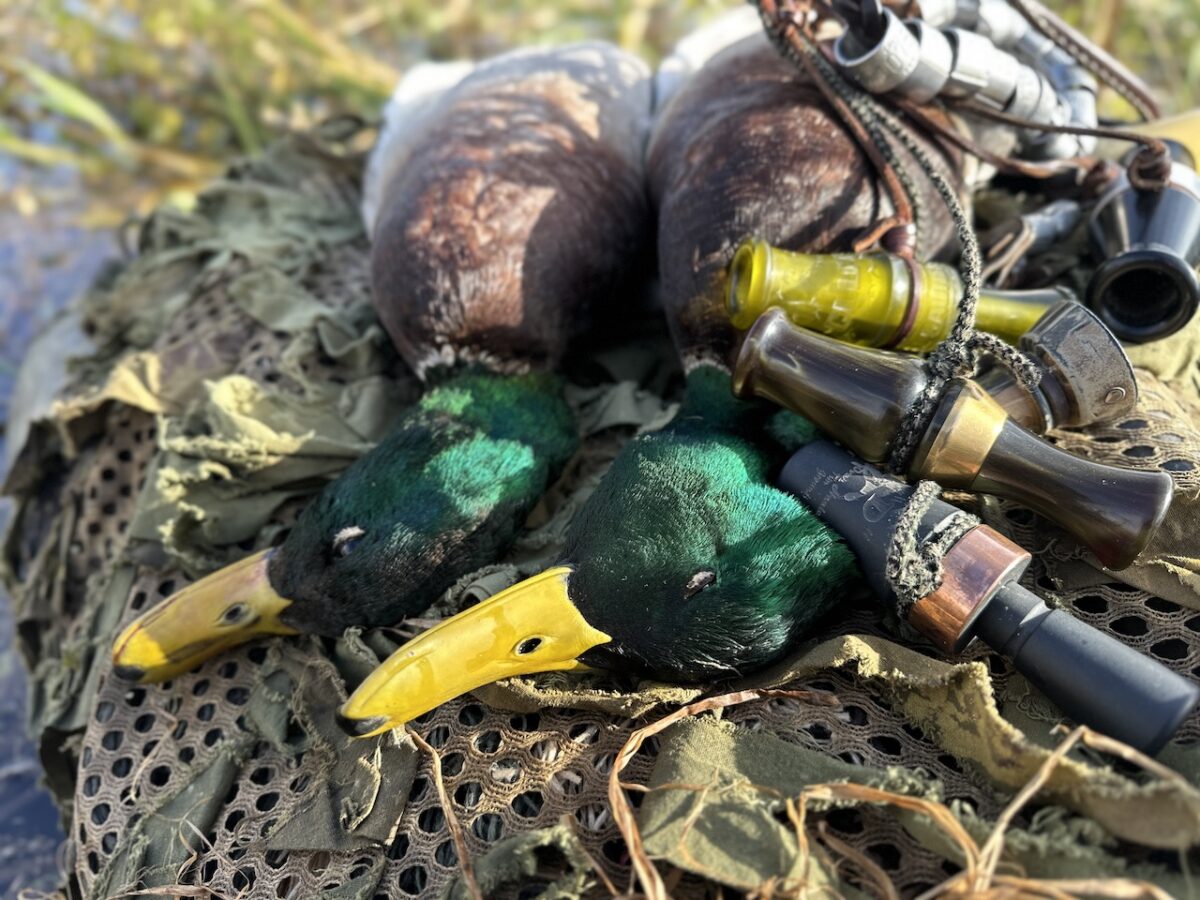
NWS While some diver numbers improved from 2025, scaup, though showing a jump for 2026, still are having a tough go of it, correct?
KS Bluebills are tough. For us, for Lower Columbia River scaup, it really matters (whether it’s) lessers versus greaters. When they fly the transects, the number is a conglomerate of those birds surveyed, as it’s impossible to tell the difference from the air.
Lesser scaup, it’s been thought, have always been the one to drive the decline. The sustained low numbers. So in those places where there are more greater scaup showing up – the salt areas downriver of Cathlamet – the greater (numbers) aren’t going to seem any different. They’re very static. Predictable. With lessers, if there’s a big pulse from the interior zones, i.e., the boreal forest, Minto Flats, Fairbanks, that area of interior Alaska, then, yes, there could be a decent push of birds coming down. That’s where we just don’t get a good read on that. But the scaup combo number (lesser plus greaters equal scaup as a whole) is up from 2025, but it’s still 15 percent below the LTA, so it’s getting “better,” but it’s going to take a while for the interior stuff to catch back up.
NWS Collectively, Kyle, Canada geese? Or perhaps just speak on the Western subspecies, our homegrown Canadas.
KS Our “b-pop” (breeding population) for Canadas was 38,000, which is right around our normal. Now, the bulk of that comes from the east side of the state, where they’re actually supposed to be breeding. That eastern signature has been down a little bit, so while we’re breaking even, it’s likely the west (side) is making up a little bit more and the east side is a little less. But it’s still riding right along that LTA.
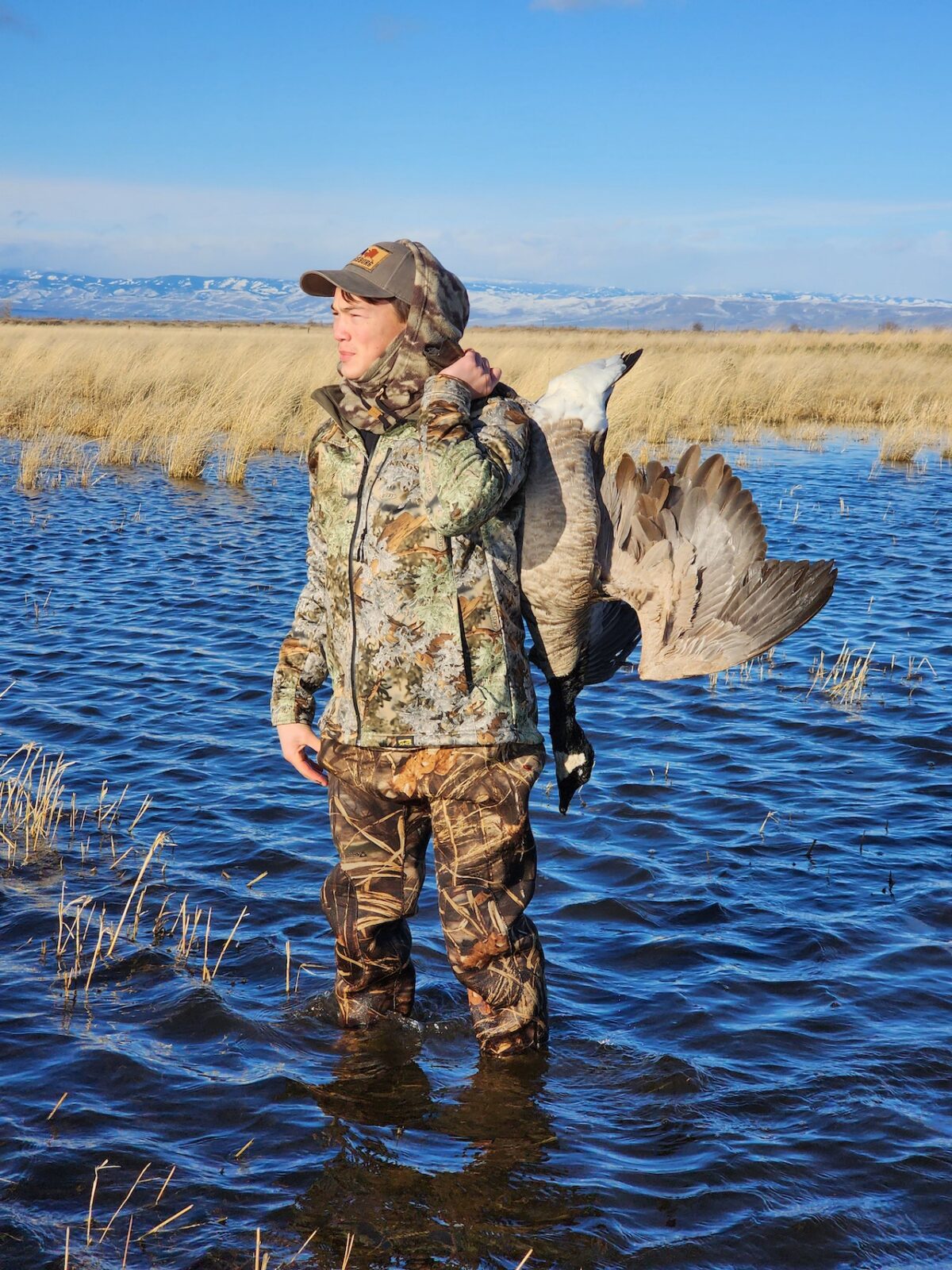
WASHINGTON AND OREGON waterfowlers have been hitting the marsh since October 17, when the early portion of duck season began across all of the Evergreen State and Westside and Columbia River counties in the Beaver State (it was October 10 for the rest of Central and Eastern Oregon).
My admittedly nonscientific take on this season? I saw about the same number of big Western Canadas this summer as I did last year; however, I, as science supports apparently, have noticed quite the decline in the little geese, e.g., cacklers, over the past two to three years, one I’d call a dramatic drop even in the short decade since my wife and I moved back to Southwest Washington.
As for ducks, it would be nice to see more greenwings this fall; those, too, appear to have fallen numerically, at least where I’m hunting.
All this said, the very best news? It’s officially waterfowl season, my favorite time of the year!
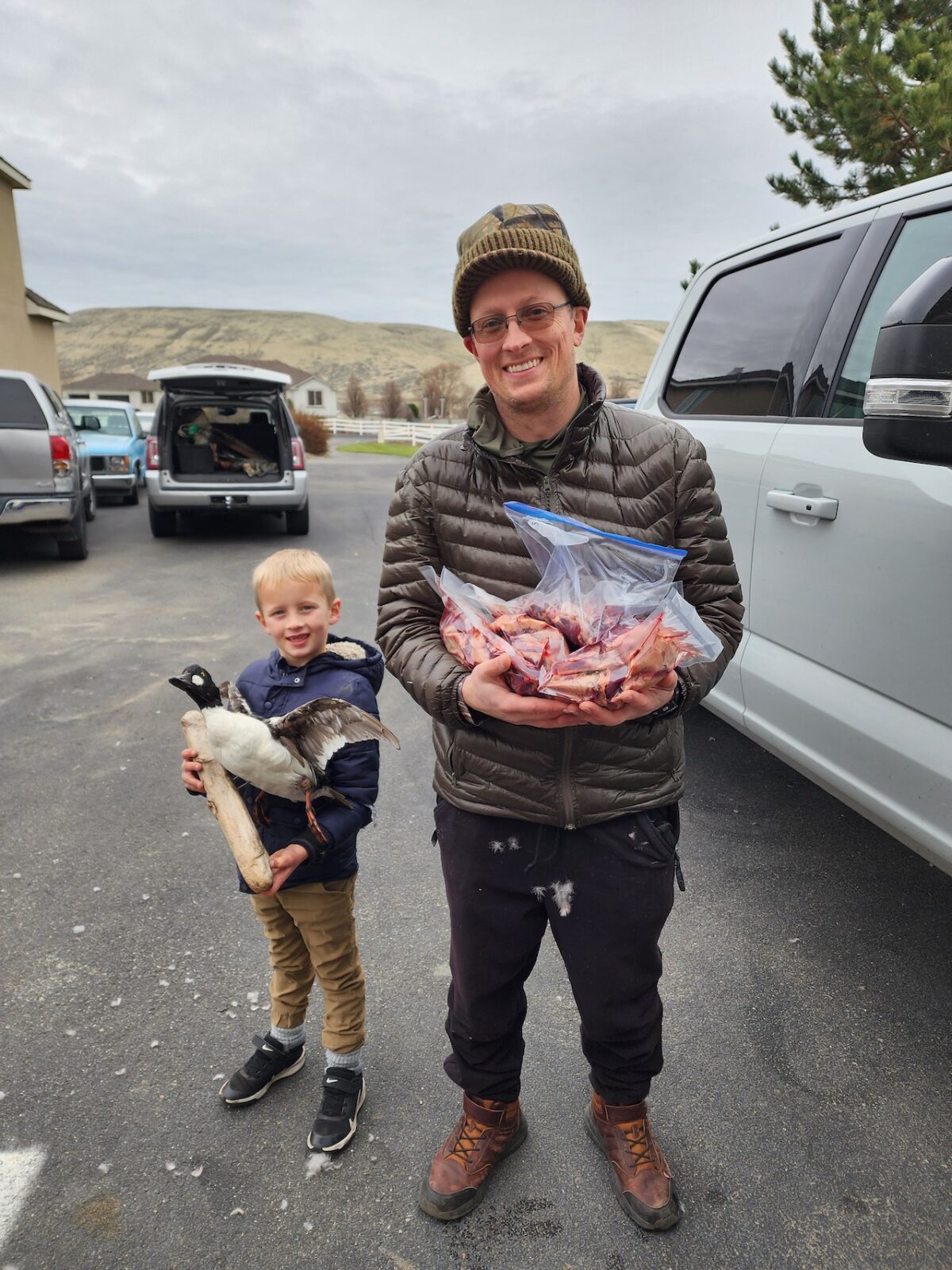
BIRD FLU AGAIN REARING ITS UGLY HEAD
Just as it has in recent years, highly pathogenic avian influenza, more commonly known as HPAI or bird flu, is again being seen in wild birds in the Northwest, with “numerous reports of sick or dead birds” in recent days in Washington, according to WDFW.
“While the reports so far are from the west side of the state, in past years cases steadily spread throughout the state as birds carried viruses with them on their fall migration,” the agency reported on Facebook yesterday.
Anyone encountering a dead bird, whether while waterfowl hunting or otherwise, are asked to avoid handling or moving it and reporting the mortality here.
For more about bird flu, previous outbreaks, safe cooking practices and more, go to WDFW’s Avian influenza webpage.