THE FOLLOWING IS A WDFW PRESS RELEASE
The Washington Department of Fish and Wildlife (WDFW) will hold a public meeting at 6 p.m. on Monday, July 28, to discuss plans for a habitat restoration project on the Shillapoo Wildlife Area in Clark County.

The meeting will be held at WDFW’s Southwest Regional Office (located at 5525 South 11th Street in Ridgefield), with webinar access available on the WDFW website.
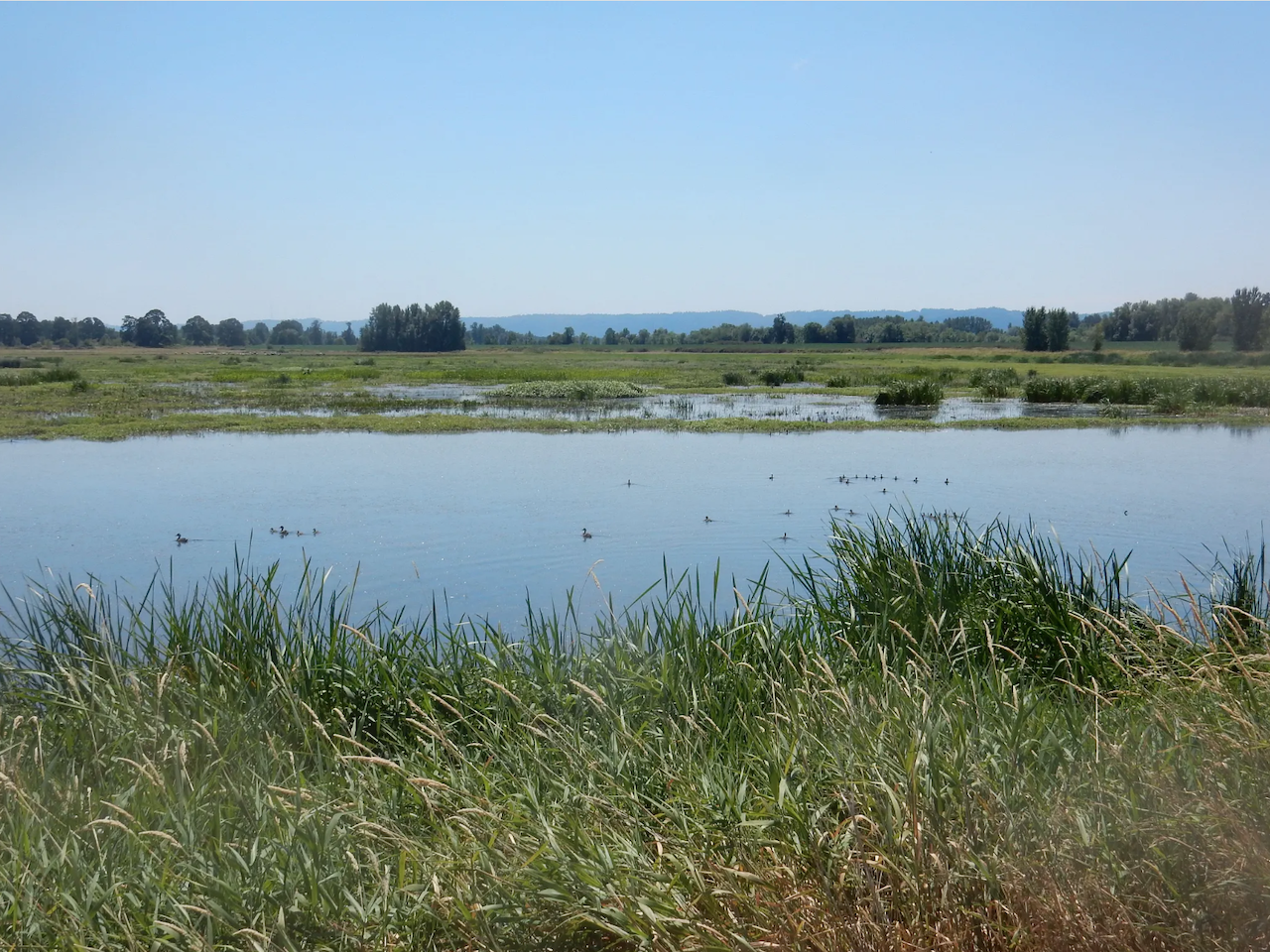
The proposed project would reestablish a connection between the Columbia River and the floodplain wetlands on the Shillapoo South Wildlife Area Unit in Vancouver. Key components of the proposed project include reestablishing access for anadromous fish, reducing invasive vegetation and enhancing native vegetation, and improving and maintaining habitat for waterfowl and sandhill cranes.
“The goal of the project is to support a healthier, more resilient ecosystem,” said Laura Brown, WDFW’s restoration coordination manager. “By reconnecting historic floodplains, this project benefits fish, wildlife, and the broader landscape by improving conditions for salmon recovery and wildlife habitat while supporting recreational access and long-term land stewardship.”
During the public meeting, WDFW staff will share an overview of the project, including preliminary design concepts, a proposed timeline, and ways for the public to get involved. Attendees will have the opportunity to ask questions and provide comments. The meeting will be recorded and available on the project webpage.
Public feedback opportunities will also include a future working group to help inform the development of the project. More information about the working group, including how to apply, will be available in early August 2025.
“We’re at the beginning of this process and look forward to working closely with the community each step of the way,” said Brown. “This effort is designed to be flexible, collaborative, and informed by a wide range of perspectives.”
The Shillapoo South Unit includes more than 1,000 acres of wetlands, pastures, and agricultural fields that were historically used for dairy production. Today, the unit serves as critical wintering and staging habitat for migratory waterfowl and sandhill cranes.
More information about the proposed project is available on the WDFW website.