




BY ANDY WALGAMOTT, NORTHWEST SPORTSMAN MAGAZINE
Washington clammers may not dig this news.
WDFW is taking comment on a proposal that would chop the geoduck daily limit sharply, increase the minimum size for cockle clams, shorten seasons at two popular Pugetropolis beaches, and make other changes to 2026 shellfish regulations.
While the agency annually tweaks the clam and oyster rules to account for population changes and recreational harvest, this is a more robust proposal than in the past, and it follows on an early closure last May at two beaches on northern Hood Canal after high harvest and low compliance with the regulations after exposure on social media, according to WDFW.
Their press release at the time said biologists and game wardens had observed “hundreds” of shellfishers at Shine Tidelands State Park and Wolfe Property State Park, and that the “unexpected high level of harvest effort raised conservation concerns about impacts to shellfish populations and the sustainability of future opportunities.”
There were issues with overlimits, clam misidentifications, diggers not refilling their holes – which WDFW says helps to prevent adjacent clams from being suffocated – or leaving trenches in the beach, as well as parking issues along nearby county roads.
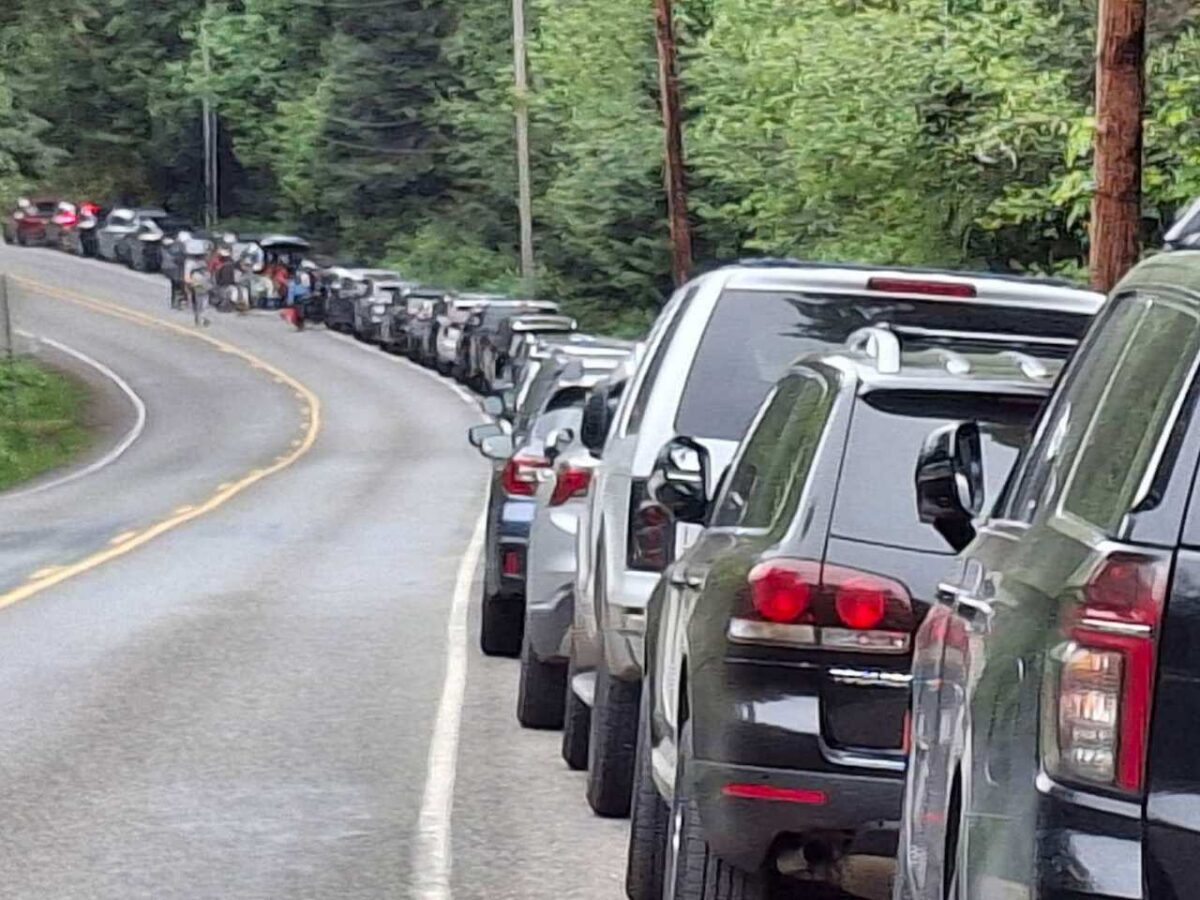
It presented a bit of a conundrum for an agency that regularly pimps outdoor opportunities that help drive license sales and, thus, its budget. With clam digging, there’s a far lower barrier to participation – have a shovel, bag, WDFW license and tide chart? You’re in! – compared to, say, more technical or gear-intensive pursuits such as salmon fishing or steelheading, and success is relatively easy and immediate for a newb.
But high interest can also lead to issues, so now WDFW has filed the paperwork to begin rulemaking for coming shellfish seasons to address some of those.
An overarching explanatory filing statement about the proposal says it’s being done “in accordance with recent clam and oyster survey data, recreational harvest projections, co-management agreements, and public health considerations.”
“By adjusting season dates at certain beaches, WDFW shellfish managers aim to meet co-management harvest sharing agreements, spread out harvest pressure, and conserve these important natural resources for current and future generations,” added Camille Speck, Puget Sound intertidal bivalve manager.
Specifically, WDFW is looking to cut out about a month and a half of clam digging opportunity at both Shine Tidelands and Wolfe Property. They would open January 15 instead of on New Year’s Day, and close on Tax Day, April 15, instead of May 15. Oyster season would also be restricted to those days.
Season would also be extended in some other locations.

There would be a new, higher minimum size for cockle clams. They would have to measure 2.5 inches across the widest part of their shell, a jump up from 1.5 inches.
“Increasing the minimum harvest size for cockles better aligns with this species’ biology, allowing more cockles to reach reproductive age and supporting long-term sustainability,” said Speck.
The minimum size for Manila, native littleneck and butter clams would remain 1.5 inches, but you’d need a new measuring device for cockles.
And the daily limit on geoducks – the largest of all Pugetropolis clams, the most prized and likeliest to go viral for its own reasons – would be reduced from three to one. The first one dug would have to be retained, regardless of size or condition.
Geoducks are much more work than other clams because they reside deeper down in the muck, as well as lower on the beach, requiring a pretty good minus tide to access. Their size rewards the effort, but reducing the limit would probably have the function of reducing effort as well.
“Geoducks are slow to reproduce, and populations can take decades to recover after harvesting,” explained Speck. “Populations in the intertidal zone are particularly vulnerable, and harvest can have impacts on habitat.”
WDFW has already announced that popular geoduck beaches such as Dosewallips and Penrose Point State Parks will be closed to all clams, mussels and oysters in 2026, while Fort Flagler State Park would also see a shorter season under the proposal.
The agency’s proposed rules also include some housekeeping matters such as adding the hole refilling requirement to the Washington Administrative Codes under its own subsection and cleaning up some duplications elsewhere.
Recent years’ increased interest in harvesting shellfish has led to more than a few folks trying to take more than the daily limit – oftentimes buttloads more. With an eye towards promoting responsible harvesting, WDFW has put together fliers in multiple languages – English, Chinese, Japanese, Korean, Russian, Spanish, Tagalog, Ukrainian and Vietnamese – that outline the rules and regs around gathering clams, mussels and oysters. They’re distributed by agency biologists and officers as well as State Parks staffers working public shellfish beaches.
Public comment on the shellfishing rule proposals is open through February 24 and being taken online, via email at 2026clamandoystercr102@publicinput.com, by leaving a voicemail at 855-925-2801 and using project code 2788, or mailing them to WDFW Rules Coordinator, P.O. Box 43200, Olympia, WA 98504.
There will also be a Zoom hearing on February 24 at 5:30 p.m.
