



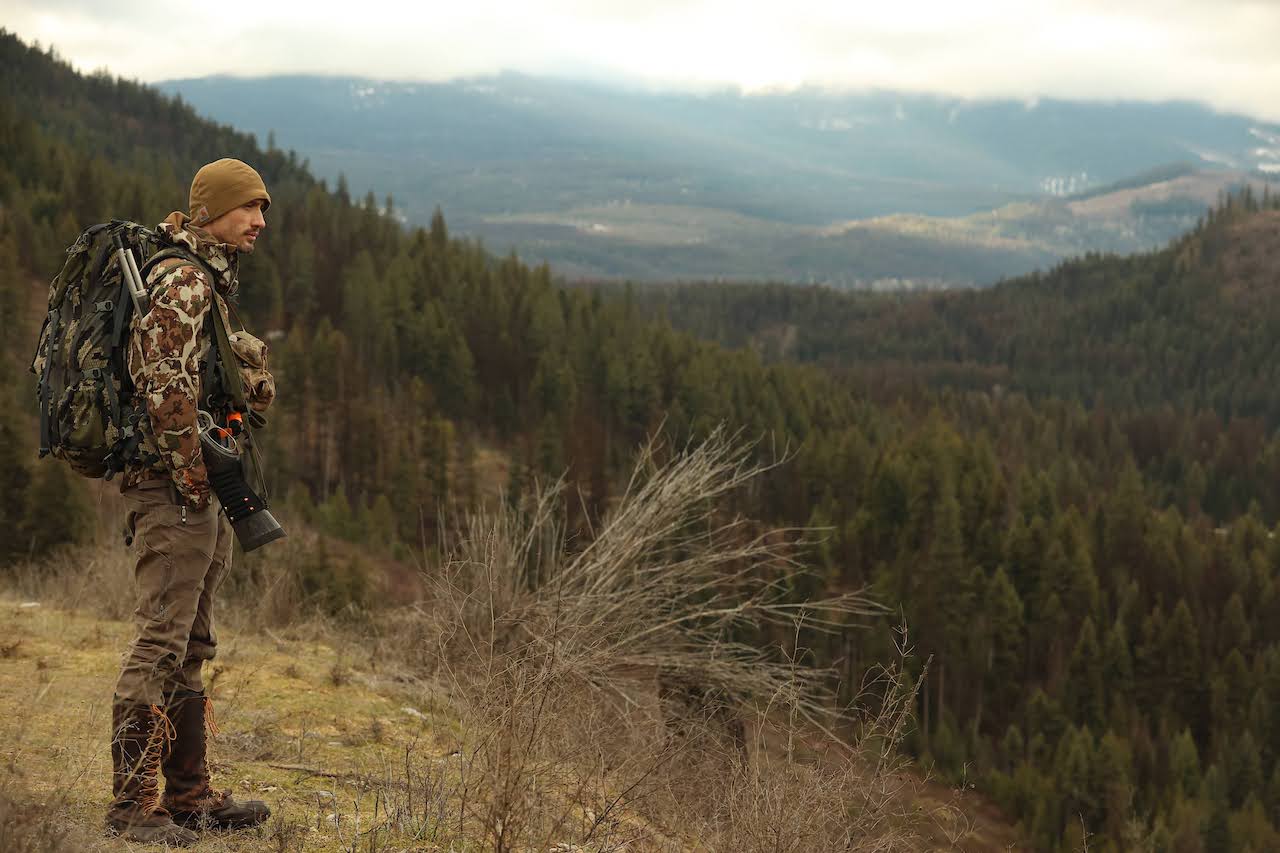
With wolf numbers reaching a point where statewide protections don’t make sense anymore, here’s a look at what a hunt might look like and how it could help advocates, ranchers and hunters get what they want.
By Jillian Garrett
When it comes to wolves, there isn’t a single aspect of the conversation that isn’t contentious. It doesn’t matter what side of the aisle you’re on; wolves seem to bring out strong emotions.
There is just something about these iconic predators that causes people to lose their logic and allow that to color their perception. Some of that might be due to the fact that wolves are often viewed through the narrow focus of location and lifestyle, with few ever understanding the need to widen their lens and comprehend the animal from a landscape-wide scale.
The topic of wolves becomes even more thorny in a state like Washington, where Westside urban population centers – located well outside of current wolf territories – can have an outsized impact on the management decisions affecting the more rural Eastside regions where wolf density is high.
Even the Washington Fish and Wildlife Commission has repeatedly come under criticism for rarely venturing out into these impacted rural regions, making their subsequent policy decisions seem, at least to the communities most affected by them, completely out of touch with reality.
Meanwhile, wildlife biologists frequently find themselves caught in the crossfire, up against a sort of “damned if you do and damned if you don’t” brick wall, trying to balance intrinsic and cultural values with boots-on-the-ground reality.
In short, our relationship with wolves can best be summed up in a single sentence: “It’s complicated,” a phrase repeatedly uttered by just about everyone involved in wolf management.
There is no denying the fact that any subject pertaining to wolves is a messy one. Humanity’s relationship with them has always been complicated, and it will continue to be so for the foreseeable future. Regardless of how people feel, wolves are back on the landscape and they are here to stay.
The question becomes, How do we navigate the resultingly complex management issues and walk that fine line between balancing what is best for the wolves and what is best for the people?
As Jim Williams, a retired Montana Fish, Wildlife and Parks wildlife biologist and regional manager, so succinctly put it in his book, Path of the Puma, “… managing wildlife is easy work compared to managing the people who care about that wildlife in a bewildering variety of ways.”

HOW DID WE GET HERE (AND WHERE ARE WE GOING)?
Washington’s wolves are in the unique position of being under both state and federal management depending on what region you are looking at. While the western two-thirds of the state are under federal management via the Endangered Species Act, the eastern third – once part of the Northern Rocky Mountain Wolf Recovery Plan – has been federally delisted and management of those wolves turned over to the state and tribes. Yet prior to that, Washington had already declared gray wolves to be endangered, meaning that – even after federal delisting – Eastside wolves outside of reservations are still classified as an endangered species by the state.
Under Washington’s 2011 Wolf Conservation and Management Plan, to qualify for delisting, the state’s wolf population must have at least 15 breeding pairs present for a minimum of three years. Four of those breeding pairs need to be in the Eastern Washington Recovery Region, four in the Northern Cascades Recovery Region, four in the Southern Cascades and Northwest Coast Recovery Region, and three anywhere else in the state. The plan also allows for the Washington Department of Fish and Wildlife to consider initiating the delisting process if 18 breeding pairs are documented during a single year and the distribution objectives are met.
As of the end of 2024, there was a minimum count of 230 wolves in the state, consisting of 43 packs, with 18 successful breeding pairs, which naturally led to the question of whether to finally downgrade them from the state’s endangered species classification. While wolves as a whole have consistently met the state’s recovery criteria – including having at least 18 breeding pairs for a year or more – there was one important exception: no breeding pairs were in the region designated as the Southern Cascades and Northwest Coast.
As expected, the debate over downlisting or delisting the state’s wolf population generated a lot of heat. Political pressure was high on both sides, with then-governor Jay Inslee notoriously putting pressure on the Fish and Wildlife Commission to make sure wolves stayed on the state’s endangered species list. Ultimately, the commission decided in favor of maintaining the endangered status because the wolves had not yet recolonized that final management zone.
This decision came despite WDFW’s own recommendations to downlist and reclassify wolves as “sensitive,” as well as strenuous objections from the hunting, ranching and rural communities. To be clear, a “sensitive” status classification would still not have allowed any hunting, but it would have given the state more flexibility in its wolf management and conflict mitigation.
The irony was that wolves had already been dispersing into the Southern Cascades region, but several cases of presumed poaching had eliminated them before they could get a toehold. It was a seemingly classic example of push-pull wolf politics, with wolves once again caught squarely in the middle as the ultimate losers of the game.
By successfully claiming the continued need for complete protection, despite average annual population increases of at least 20 percent, supporters demonstrated their absolute lack of understanding about the incredibly nuanced management approach needed for the rural communities living amongst these animals.
It’s not simply about ranchers being upset over conflicts or hunters braying for blood – the story is much more complicated than that. It has its background in a portion of the populace being forced to deal with the decisions made by another, one completely disconnected from the results; it’s about communities trying to figure out how to coexist in a landscape where humans and wolves have not lived together for a generation or more; all of which is exacerbated by a lack of education on each side about the behavior and impacts of those wolves as part of the ecosystem.
In short, it’s a dangerous powder keg of problems – one likely to blow up in everybody’s face, wolves included – and has been brought about by the short-sidedness of a well-meaning but frightfully disconnected segment of the population. To continue promoting total protection, even in the face of steadily increasing wolf numbers, and to make the further claim that keeping wolves on the endangered species list protects them from being harassed or killed, is to be woefully ignorant of the actual situation. It also denigrates the progress of wolf recolonization in Washington.
Instances of wolf poaching seem to be on the rise, and while a lack of social tolerance does not always result in poaching, it can be one of the many catalysts. While poaching is never excusable, the reasons behind why it happens are vital to understand, as they expose core issues that need to be addressed before long-term progress can be made.
Ignoring those issues in favor of blanket protection is a bit like trying to apply a panacea for the pain: It might feel good at the time, but it doesn’t treat the underlying problems of an illness borne of misinformation, mistrust and a deep lack of social tolerance.

A HUNT FOR SOCIAL TOLERANCE
Putting emotions and political agendas temporarily on the backburner, how exactly do Washington’s wolves make the leap from endangered species to huntable game animal? The first step is to acknowledge that the road to get there is long and complex, most of which is unfortunately outside the scope of this article. While state delisting and an eventual hunting season are not anything that will happen overnight, with WDFW’s estimated average population increase of around 20 percent per year, it’s becoming visible on the horizon. At some point, state decision-makers are going to have to come to terms with the fact that wolf management and wolf recolonization are not mutually exclusive.
The question Washington should be asking itself is how to simultaneously protect wolves trying to recolonize that final zone while also providing residents in wolf-dense regions with a better way to mitigate the real issues of coexistence. Not to mention offering rural communities something that boosts the overall acceptance and value of wolves in those areas.
At first glance, it may seem easy to scoff at the idea of using hunting as a tool in the kit for social tolerance, but that viewpoint fails to understand the importance of it as a key for the long-term survival of wolves overall. If we want wolves to recolonize the land, then we need to change their perceived value from a net negative to a net positive in those regions. In looking at other Western states that already have wolf seasons, social tolerance tends to be much higher – and incidents of poaching far lower – because of instituting a hunt season, and wolf populations are still thriving in those states.
So what would the structure of a wolf hunt in Washington look like? To answer that question depends on your management objectives: Do you want to provide for greater hunter opportunity, or better quality of hunts?
Whatever the hunt structure, it would make the most sense to divide the state up into smaller wolf management units, or WMUs, much as Washington already does for cougars. This would make it easier to examine specific areas that deal with higher livestock conflict and/or low ungulate population numbers and thus have larger harvest caps specific to those units. Instead of slapping a blanket quota on the entire state, using a management-unit approach allows wildlife managers to better address specific areas of concern.
It also makes for a much more palatable and better justified hunt in the eyes of the non-hunting public, because it looks less like hunters simply gunning for wolf blood. On that note, given that baiting and the use of dogs are already illegal for bears and cougars, it would be safe to say the same would apply to wolves.
Another important factor to take into account is that wolves are incredibly difficult to hunt and success is generally quite low. The exception to that rule tends to be during the initial implementation of a hunting season, which often has an abnormally high level of success. This is because the wolves have not yet been taught to be wary. However, wolves are fast learners, and hunting success often drops off after that.

From a hunt structure standpoint, it would be prudent to consider starting off with a smaller harvest cap for the first year or two of a hunting season before increasing the cap as needed. State wildlife managers would also need to work closely with the Colville and Spokane Tribes so that any tribal harvest objectives are taken into account when calculating regional caps.
With all of these factors in mind, the actual hunt structure would fall into one of two generalized categories: an over-the-counter, or OTC, tag, or what’s known as a lottery draw/special permit hunt. Figuring out which one would work best depends on what type of hunt you want to provide.
An OTC-style hunt provides maximum opportunity (and generally a longer season) for people to get outside and attempt to harvest an animal, but it has the downside of creating a landscape with highly pressured and wary game pursued by a whole lot of trigger-happy people. In the case of wolves, which quickly learn how to be cagey around hunters, this could translate into individual success rates being very low. However, with so many hunters out on the landscape at one time, overall harvest success for the general season could still be relatively high compared to other management structures.
An OTC hunt would be incredibly difficult to justify without a tightly managed quota to ensure that there was no remote possibility of an overharvest, unlikely as that might be. Since Washington has a long way to go before it deals with the same burgeoning wolf population issues in places like Idaho, it must be careful to maintain strict oversight of harvest numbers, meaning that any wolf hunt would be quite conservative in nature for the time being.
A better option would be to utilize a system whereby wolf tags are available as OTC tags but are under a strict quota system similar to Washington’s cougars. Like cougar tags, they could be purchased as an individual tag or as part of the Get Outdoors combo package and would come with the same set of stringent single-animal-harvest and reporting requirements. Washington could even follow Montana’s lead and require hunters to report a wolf harvest within 24 hours, updating game unit closures in a similar time frame.
While more of a logistics headache for both hunters and WDFW staff, it would help prevent concerns of an accidental overharvest in any given unit and would also strengthen the case that wolf hunting is a targeted management tool and not a vengeful bloodbath.
At the other end of the hunt structure spectrum is a lottery draw. This style of hunt translates into prospective hunters applying for a chance at obtaining one of a limited number of annual wolf hunting tags. In many ways, this hunt structure would highlight the uniqueness of the resource while adding greater value to the small number of tags allocated to hunters. It would mean fewer people in the woods during the hunting season and potentially less wary animals, possibly ensuring a higher quality and less pressured hunting experience.
Unfortunately, this style of hunt comes with the tradeoff of fewer overall opportunities for participation, which might not actually alleviate any of the issues surrounding social tolerance, and could potentially adversely impact it. The lesson shown by other Western states has been that the more people who feel they have a chance to take part in a hunt – whether they harvest an animal or not – the higher likelihood of social tolerance increasing for that animal.
The real downside of a lottery draw is how much trickier it can be to implement, especially concerning the possibility of anti-hunters snapping up tags (as was aptly demonstrated by Florida’s recent and highly controversial bear hunt).
One way to mitigate this could be by, at least initially, limiting the hunt to in-state residents only and requiring every purchaser to possess a “certified” WDFW account, which would verify that the person applying for or purchasing the tag had already completed a mandatory Washington state hunter education course – no deferrals or substitutions allowed. While Florida also had a hunter ed requirement for their bear season, purchasers could easily request a deferral and still apply for a tag, as under Florida’s program, someone who has not completed hunter ed was still allowed to hunt with someone who already had. By refusing to allow deferrals and requiring an in-state hunter education class, Washington could theoretically close the loophole that upset Florida’s hunt. It would also reinforce the point that the purpose of instituting this wolf hunt is to help local residents navigate the complex maze of wolf coexistence.
This also brings up another important point: When it comes to new hunter recruitment, Washington deals with a lot of problems surrounding availability of and access to mandatory hunter education/safety classes. Frequently, there are seemingly too few instructors and classes for as many new hunters as are interested. This is a frustrating roadblock that deserves further attention outside of this article.
In the meantime, when it comes to a potential wolf tag lottery draw, it might be nice if the anti-hunting community had to deal with some of the same vexing barriers currently presented to state hunters. After all, being a hunter isn’t easy these days, and there’s a lot more to it than picking up a weapon and loping off into the woods.
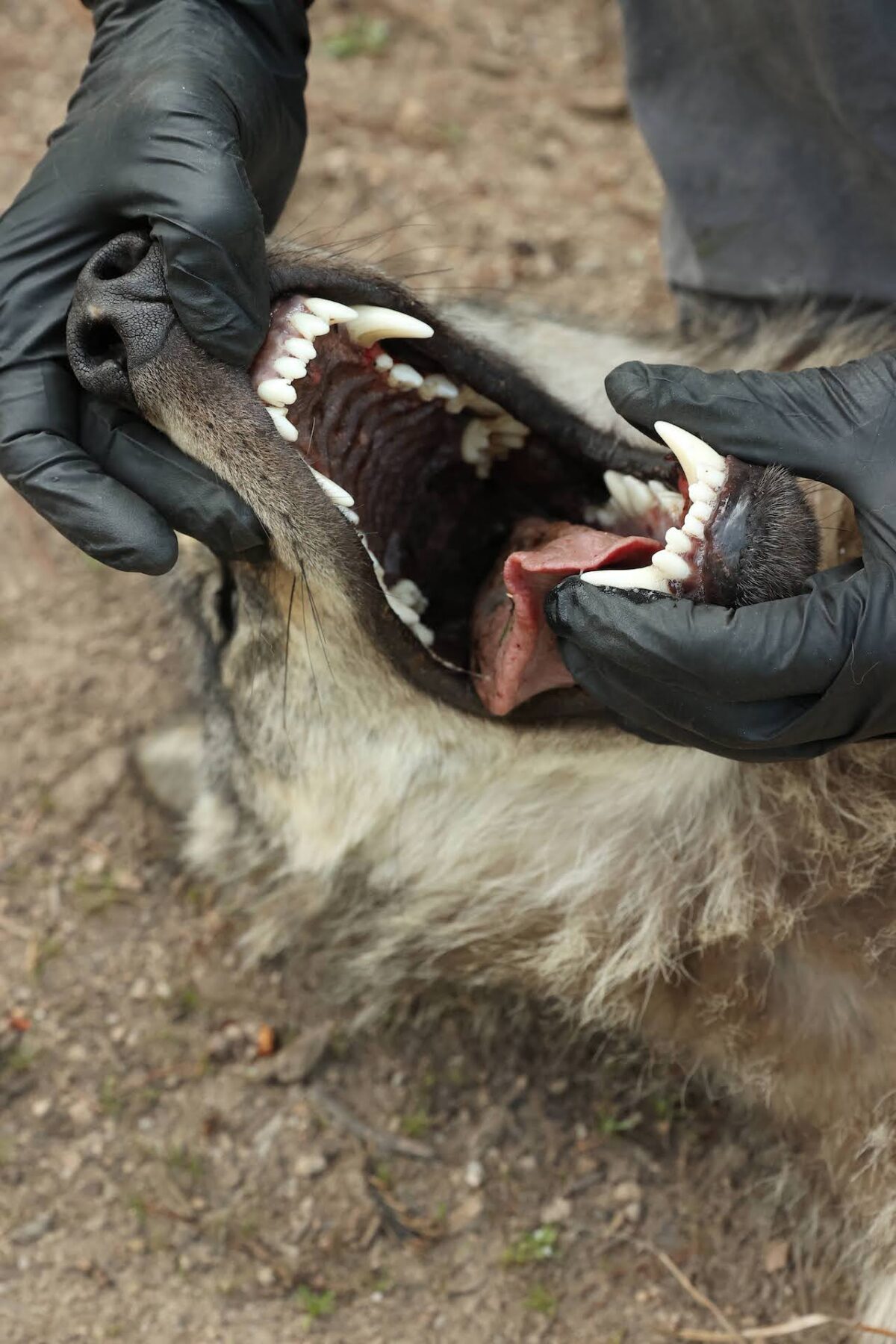
FINAL THOUGHTS AND LESSONS LEARNED
Hunt or no hunt, as Washington continues to navigate the angry waters of wolf management and the eventual delisting process, there are some actions it can implement to help grease the wheels of forward progress and promote better social tolerance.
One of the biggest hurdles for ranchers and residents currently dealing with wolf conflict is that they can be reluctant to officially report issues due to being “doxed,” a process by which their personal information becomes public. This makes it far too easy for them to be located and harassed by animal rights activists, which exacerbates the bad feelings they may already associate with wolves.
In contrast, states such as Wyoming provide statutory protection for any legal take of wolves, including ranchers using depredation permits, meaning there is no concern about being doxed and winding up in the crosshairs of extremists. To help promote better collaboration between wildlife managers and those impacted by wolves, Washington should consider following suit.
Trust is difficult to build and easy to break, and there’s not a lot of it to go around between the various groups involved in wolf management. A lack of trust is one of many impediments to the long-term success of wolves, and while there are numerous avenues the state could use to improve relationships amongst these various groups, streamlining efficiency of conflict response might be a big one. While hunting is a tool that can be used to help decrease wolf numbers in specific conflict areas, any hunting season would most likely occur in the fall and winter months, outside of the most active depredation window: calving and grazing seasons.
Figuring out a way to help ranchers and local conflict officers move quickly and efficiently to address depredations involving specific wolves would be an enormous step forward in building trust, but just like implementing a wolf hunting season, the process to get there would be tricky. It may require collaring more wolves to allow for better monitoring (as Wyoming does with its wolf packs) and therefore a speedier way to accurately assess which wolf/pack is at fault, thus helping to prevent lawsuits by preservationist groups claiming the wolves are being blindly killed (one of the reasons state biologists currently proceed with extreme caution).
Even so, more collars on more wolves may not fully allow for depredations made by newly formed packs or uncollared dispersers from other areas. Again, there is not a single aspect about wolf management that isn’t complicated, but these days it often feels as though Washington has reached a stalemate, and something needs to change.
A love of wolves does not necessarily preclude a desire to hunt them. The reasons that people hunt are extremely complex, even more so when it comes to hunting predators. Even people who might otherwise have an admiration for wolves may only feel antagonistic when that animal’s presence is being forced on them by outsiders with no real investment in the consequences.
As biologists and conflict specialists are apt to point out, providing rural populations with a tool to help them feel they have better control over the situation is a huge step forward. It helps build trust for state wildlife managers as well as social tolerance for an animal that might otherwise have only a negatively perceived value on the landscape.
Washington is quickly reaching a tipping point where blanket protections don’t realistically make sense anymore because they fail to address the sticky management issues that many areas are already experiencing. While a wolf hunt isn’t a magical fix-it, the hope is that it’s a step forward in the right direction toward better coexistence.
To steal one more quote from wildlife biologist Jim Williams, “What’s best for the [wolf], ultimately, may be to hunt a few – in order to secure public support for the rest. That’s not science. That’s people and politics. And it’s real.”
Editor’s note: This article appeared in the March 2026 issue of Northwest Sportsman. Jillian Garrett is a hunter, member of First Hunt Foundation, farmer and conservationist living in Northeast Washington. Her writing and photography have also appeared in Sports Afield, Bear Hunting Magazine and Blue Ridge Farmer Magazine.
