THE FOLLOWING IS A PRESS RELEASE FROM THE WASHINGTON DEPARTMENT OF FISH AND WILDLIFE
Construction on the Island Unit Restoration Project on the Washington Department of Fish and Wildlife (WDFW)-managed Skagit Wildlife Area in the South Fork Skagit River near Conway is pausing for the winter and will resume in the spring.
WDFW and the contractor, Brumfield Construction, Inc., have agreed to temporarily reopen the Island Unit to public access starting Saturday, Oct. 17, 2026. The unit will remain open through March 2027, including during waterfowl hunting season. Access for other recreation such as kayaking, paddling, boating, and wildlife watching is also allowed.
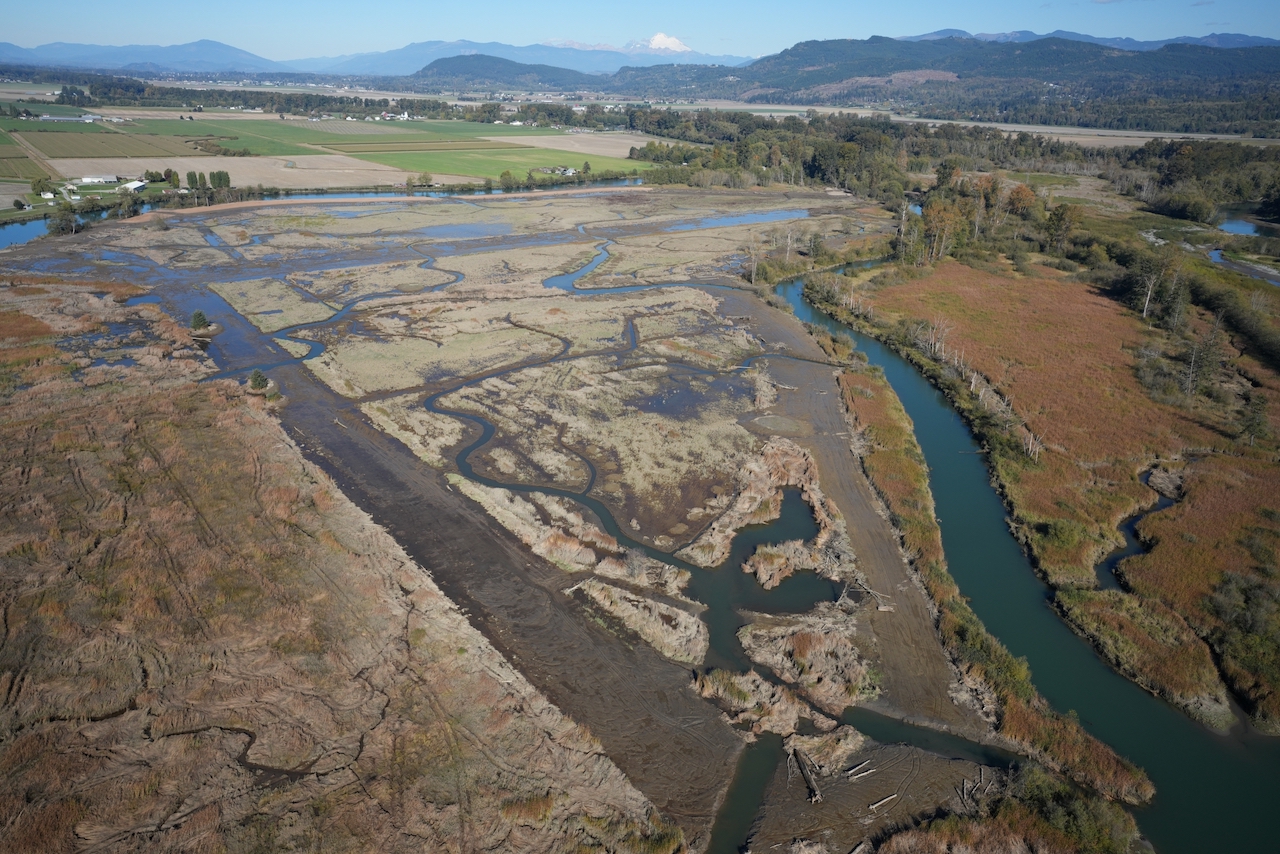
Construction activity to restore estuary and intertidal habitat on the unit to support salmon recovery has created new channels, steep banks, ponds and low areas, large expanses of soft soil, large trees and loose wood, and other hazards that did not previously exist.

All visitors should exercise extreme caution throughout the unit. This includes during high- and low-water conditions that may obscure potentially hazardous areas. A main potential hazard is large expanses of very soft, deep mud across much of the site including in channels. Visitors are encouraged to hunt or recreate with a partner.
It is also advisable to scout the area during daylight before attempting to hunt the Island Unit as conditions have changed significantly.
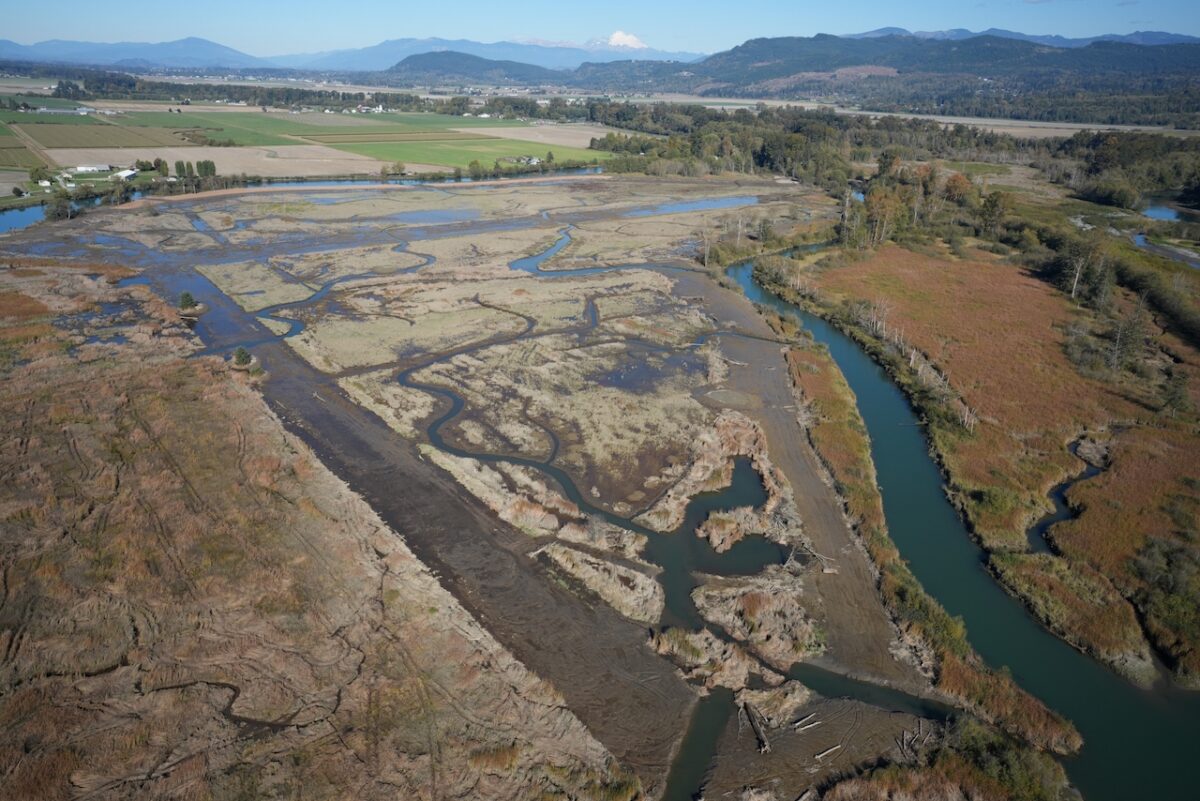
Aerial photos of the Island Unit taken Oct. 12 are included at the bottom of this WDFW-managed lands alert, on the wildlife area unit webpage, and are available for high-resolution download.
It remains unlawful for each hunter to have in possession more than 15 shotgun shells or to fire (shoot) more than 15 shells in one day on this unit (WAC 220-414-050).
The Island Unit is only accessible by boat and is closed during hours of darkness except during legal hunting seasons.
When landing a boat on the Island, it is recommended that the boat have front and back anchors. With the tide changes on the South Fork Sloughs, it is possible for the boat to be lodged high and dry on the bank when the tide goes out or get lodged at such an angle that the boat could fill with water as the tide returns. Tides and river levels may restrict access; visitors should carry and be able to understand a tide book as well as check river flows.
The ongoing habitat project includes removing dikes, levees, and tidegates to restore the natural flow of water from Skagit Bay and the Skagit River’s Freshwater, Deepwater, and Steamboat sloughs, as well as filling large ditches, excavating channels into the interior of the unit and constructing low angle boat landings, fords, and recreational mounds.
A map showing the final project design (PDF) is available on WDFW’s website.
More information on the estuary restoration project is available in WDFW’s July news release and on the project webpage.
Estuaries are areas of marsh and wetland surrounding the intertidal zone where freshwater rivers and sloughs meet saltwater. Estuaries are home to many diverse fish and wildlife species. They are particularly important for juvenile Chinook salmon, known as smolts, as they rear and grow larger during their migration to the ocean. More information on estuary restoration is available on WDFW’s Puget Sound recovery webpage.