
BY ANDY WALGAMOTT, NORTHWEST SPORTSMAN MAGAZINE
“In marine environments.”
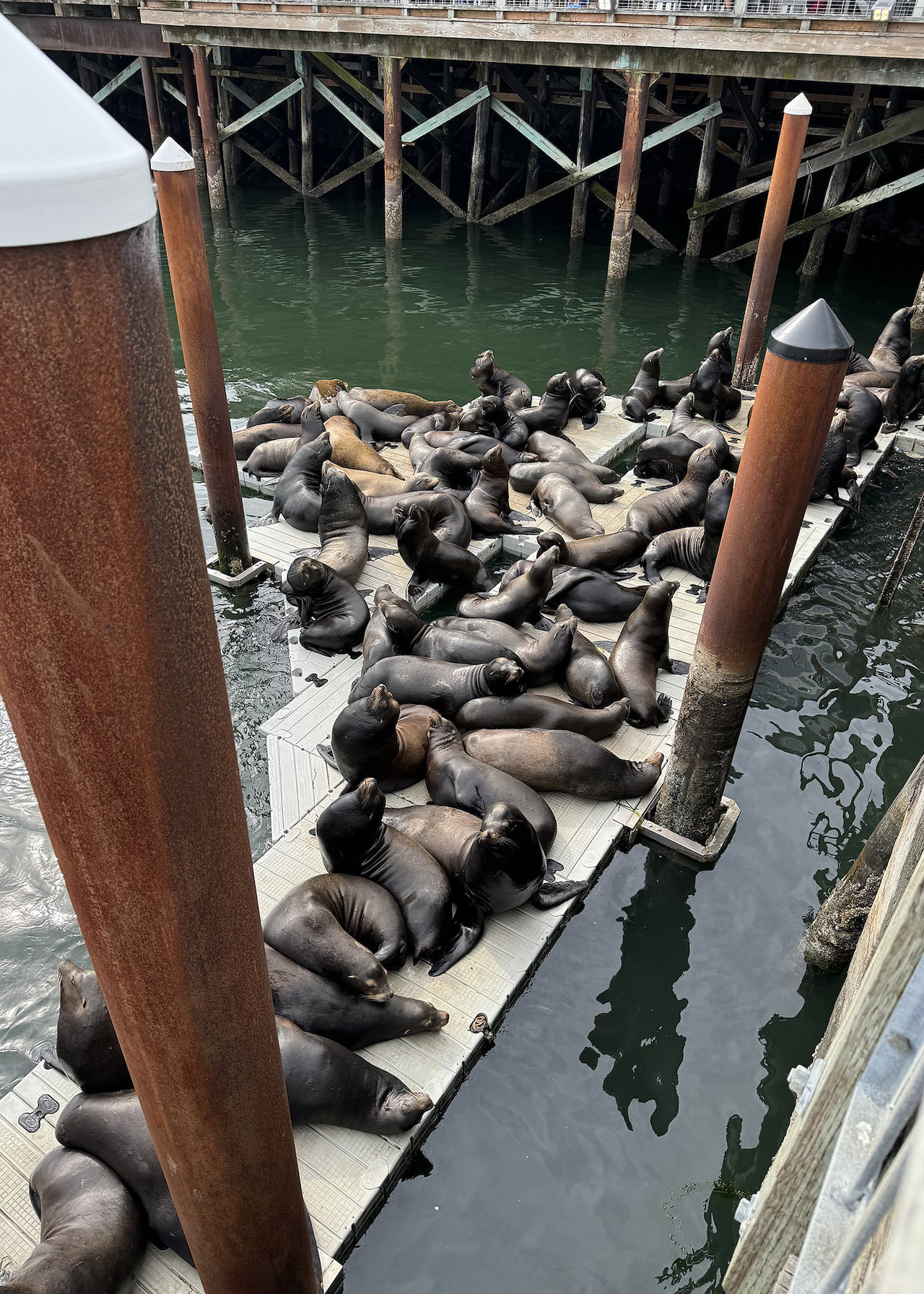
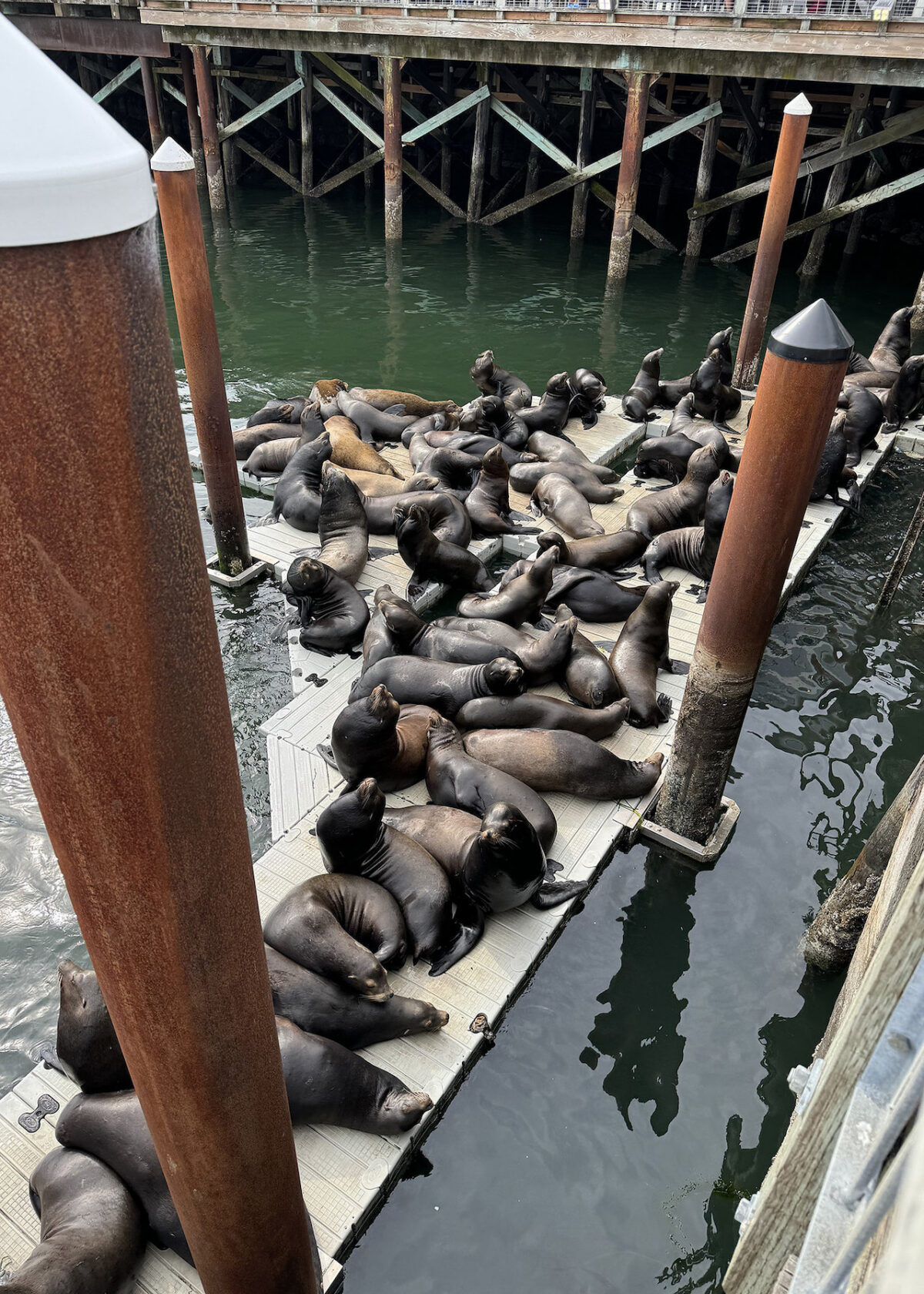
Those are three key words from the abstract of a new study by federal and university researchers who say that culling sea lions, seals and seabirds is “unlikely to benefit salmon” and that three other factors have larger impacts on Chinook and other stocks while they pasture in the North Pacific.
The study’s conclusion will go over like a lead balloon among those who see lead as the answer to getting more struggling salmon, steelhead and sturgeon back to their freshwater spawning grounds up Puget Sound, Northwest Coast and Columbia Basin rivers before marine mammals head them off – and in more ways than one.
But it comes essentially in answer to a Washington State Academy of Sciences’ recommendation to at least experiment whether pinniped removals could help recover ESA-listed fish runs, studies showing high harbor seal predation of steelhead smolts at the Hood Canal Bridge, and the Chasco paper that found recovered populations of pinnipeds ate nine-plus times as many salmon in 2015 as they did in 1970.
For this new research, simulations run by scientists at the National Marine Fisheries Service and Oregon State University found that culling marine mammals and birds in the ocean might even backfire and lead to increased salmon predation at sea by species that the harbor barkers otherwise chow down on, reducing any benefit from removals.
Instead, their models suggest that decreasing the numbers of Pacific hake “would have the greatest positive effect on salmonids” among all the interconnected saltwater species they looked at.
Hake are a type of groundfish that are also known as whiting, a commercially important offshore fish stock described as a “close relative of cod.” They are used for imitation crab, or surimi, among other products.
Though hake apparently don’t eat a lot of young salmon, they are “extraordinarily abundant” off the Northwest Coast, and so as a collective whole they are modeled to eat far more than less abundant salmon snarfers.
“Reductions in hake led to a positive response in coho and Chinook salmon in 99 percent of simulations, with a median increase of 25 percent in salmon biomass, respectively,” the researchers write in their paper published today in Science. “In addition, this positive response led to a 30.1 percent and 23.1 percent increase in coho and Chinook salmon landings, respectively; these analyses suggest that reductions in hake, but not seabirds and mammals, may lead to a higher availability of salmon for fisheries.”

The study also found a modeled salmon benefit to reducing numbers of Pacific jack mackerel and pyrosomes, both of which have been moving north up the West Coast with warming waters. Mackerel are edible, pyrosomes not so much.
“Our simulated reductions of individual functional groups suggest that raising harvests of hake through increases in quotas or initiating a jack mackerel fishery might have a positive impact on salmon biomass,” the authors write.
Easy to write, not so much in practice, they acknowledge. Boosting hake and mackerel fisheries runs the risk of increasing salmon bycatch.
“Thus, it may not be possible to sustainably increase hake harvests to the extent required to meaningfully increase salmon biomass,” they state.
So while they’re light on offering practicable solutions, the researchers maintain that culling sea lions and seabirds in the ocean “would require expensive, logistically challenging, and socially controversial operations, while providing little ecological return, according to our results.”
The study may serve as a score for those who see sea lions and seals as sacred sea cows in this ongoing debate how to protect ESA-listed fish from MMPA-protected pinnipeds, but it does not address ongoing freshwater control efforts, and in fact appears to grudgingly sign off on them.
State and tribal fishery managers have the ability to lethally remove California and Steller sea lions at Bonneville Dam and Willamette Falls – and the authorization but not the means, money or, perhaps, motivation to do so elsewhere in the Columbia. Some 562 CSLs and SSLs have been removed since 2008, per ODFW.
The authors of the paper acknowledge that the pinnipeds and their stomachs have benefitted from the predation chokepoints at the dam and fish ladders, and that continuing to pick them off there might be best approach.
“Targeted removals of individual predators causing extremely high salmon mortality at migratory pinch points, including traditional subsistence marine mammal and seabird harvests, may have a role in salmon conservation,” the researchers allow.
But in saltwater, they say that efforts to help out salmon “are better directed toward addressing competition from abundant fish predators, restoring prey availability, and mitigating climate-driven change.”
They also found that fisheries “did not substantially impact salmon.”
Overall, the work provides a glimpse into how headache-inducingly complex the ocean ecosystem is and how pulling one lever might trigger unwanted affects.
“This gives us a more holistic view, not only of what happens to salmon but what happens across the ecosystem when you start making changes,” said lead author Dylan Gomes at NMFS Northwest Fisheries Science Center in a press release about his work. “When we look at the ecosystem as a whole, we see that one change can lead to a set of cascading effects that may not always be predictable or obvious.”
But it does not let pinnipeds and seabirds off the hook for their documented freshwater impacts to some of our favorite fish – 40 percent of the spring Chinook run up the Columbia River in the case of sea lions a few runs back.