BY ANDY WALGAMOTT, NORTHWEST SPORTSMAN MAGAZINE
Washington officials, environmental organizations and a fisheries-world representative are reacting to today’s final federal determination that an Olympic Peninsula steelhead ESA listing isn’t warranted right now, albeit from different portions of the spectrum.
For WDFW, it’s vindication of what they argued in a joint comanager assessment last fall; for the petitioners, it’s gnashing teeth and lawyers on speed dial; for the angling rep, it’s confirmation that adequate protections are in place already.
We’ll take them one by one.
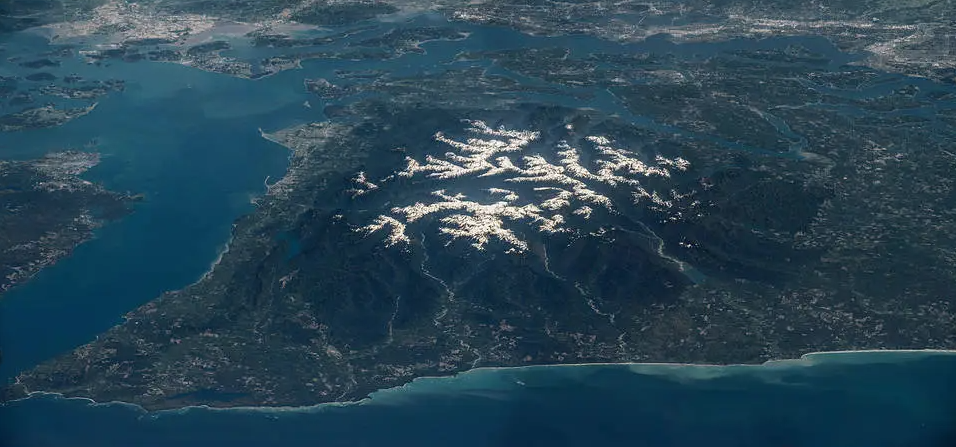
“WDFW will continue working with tribal co-managers to prioritize steelhead conservation on the Olympic Peninsula, including efforts to rebuild runs while offering sustainable fishing opportunities,” said WDFW Fish Program Director Kelly Cunningham in a special statement about the Federal Register notice filed by the National Marine Fisheries Service on its 12-month finding on the population, which includes all runs from the Lyre River in the central Strait of Juan de Fuca to the Moclips River by Ocean Shores.
The agency and several tribes had both argued in a September 2025 assessment that the federal Endangered Species Act review process that led a specially convened NMFS team to conclude in November 2024 that OlyPen steelhead were at moderate risk of extinction fell “woefully short” of Congressional standards for listing a population, and failed on government-to-government and tribal trust responsibility, ESA implementation, and scientific analysis integrity levels as well.
“These process failings resulted in a failure to use the best available information and a Status Review lacking transparent and logical connections between the information presented and its conclusion that OP Steelhead face a moderate risk of extinction. The Status Review fails to provide the most ‘credible reliable, and impartial information available’ as directed by the Executive Order Restoring Gold Standard Science. The Status Review Team (SRT) either ignored or misinterpreted the co-managers’ information – who possess the greatest expertise for analyzing and interpreting the data,” the assessment reads.
That executive order from the Trump Administration’s White House came down in May 2025.
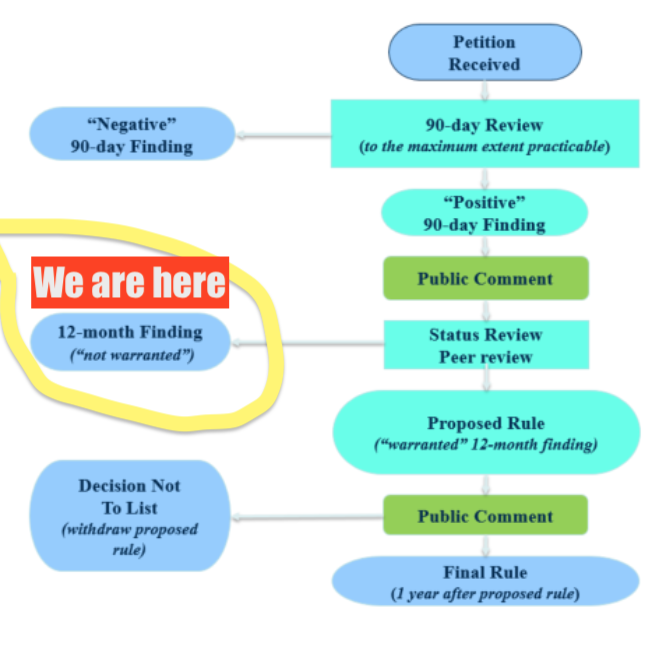
In another camp, the litigious Wild Fish Conservancy and The Conservation Angler, which petitioned in August 2022 for an ESA listing and reached a federal court settlement last year that prompted NMFS to make this call after dragging their feet for well beyond the official/unofficial 12-month window to do so.
In a statement posted to WFC’s website, the orgs say they are now “conducting a thorough review of the decision and the underlying status review to evaluate whether NOAA’s finding is consistent with the best available science and the requirements of the Endangered Species Act.”
“We are assessing all available options to ensure that Olympic Peninsula steelhead receive the protections necessary to prevent further decline and secure a path toward recovery,” they added.
ESA listings and steelhead fisheries are not mutually incompatible, but if the woeful state of steelheading and hatchery production in Pugetropolis these days is any indication, a threatened or endangered designation was something to avoid at all costs for Washington’s “crown jewel” runs.
“Rather than saddling the co-managers and coastal communities with the regulatory burden of the Act, NOAA Fisheries can and should explore how it can support the comanagers in our current and ongoing adaptive management approach and address the seminal causes responsible for declines in productivity and abundance of OP Steelhead,” reads that state-tribal assessment in more muscular wording than you might otherwise expect had WDFW penned it alone.
In today’s WDFW statement, the agency does acknowledge that runs up and down the Washington Coast have declined over the past 50 years and that it and the tribes have been responding to that in several different ways, including “scientific research to better understand challenges facing steelhead, designated a wild steelhead gene bank, modified hatchery practices, and worked with other partners to accelerate habitat restoration and fish passage projects.”
Today’s prefiling of the NMFS 12-month finding on the Federal Register also helped reveal a WDFW plan to start a new “local early winter-run steelhead program” on the Quillayute River that would replace the out-of-basin Chambers Creek program there.
The three-phase plan would start with the collection of 40 natural-origin winter steelhead in January through mid-February with the eventual goal of releasing 50,000 smolts annually from the Bogachiel Hatchery. It comes at the recommendation of NMFS to either replace or eliminate the current program, which otherwise stocks 150,000 smolts into the Bogachiel and Calawah Rivers.
For former WDFW regional manager Larry Phillips, who now works for the American Sportfishing Association as its Pacific Fisheries Policy director, today was confirmation of the adequacy of existing regulations and monitoring.
“We think we all agree that coastal wild steelhead are already managed under one of the most conservative frameworks on the West Coast – no retention, no bait, and careful tracking of encounters and release mortality all show WDFW’s commitment to these fish for the long term. We appreciate the science-based decision and support continued monitoring, adaptive management, marked hatchery fish, and thoughtful consideration of integrated hatchery programs to support meaningful harvest opportunities when appropriate. Thanks to all who took the time to provide comments that helped shape this outcome,” Phillips said.
Olympic Peninsula steelhead, steelheaders and tribal fishermen will all hope that the state, comanagers and feds are correct on this one.
And now – and I’m being serious this time – that is going to have to be all the time I have for that.