BY ANDY WALGAMOTT, NORTHWEST SPORTSMAN MAGAZINE
WDFW officials are confirming a “meet and confer” will occur on Friday with the Quinault Indian Nation after the tribe said they would go to federal court over their claimed treaty right to fish Willapa Bay and the estuary of the Columbia River.
It’s a move with weighty ramifications in both waters – and especially the Columbia, which is jointly managed by WDFW with the Oregon Department of Fish and Wildlife and four Columbia Basin tribes.
“Meet and confer” is part of a formal process that flowed out of 1974’s Boldt Decision, which is also known as U.S. v. Washington and still open, and it’s when a party in the case calls a meeting with the others, expresses the reason behind what they seek, and attempts to negotiate a settlement with all parties before otherwise taking their case to a federal judge.
When asked about tomorrow’s meeting, WDFW officials at headquarters and Region 5 levels shared the exact same statement:
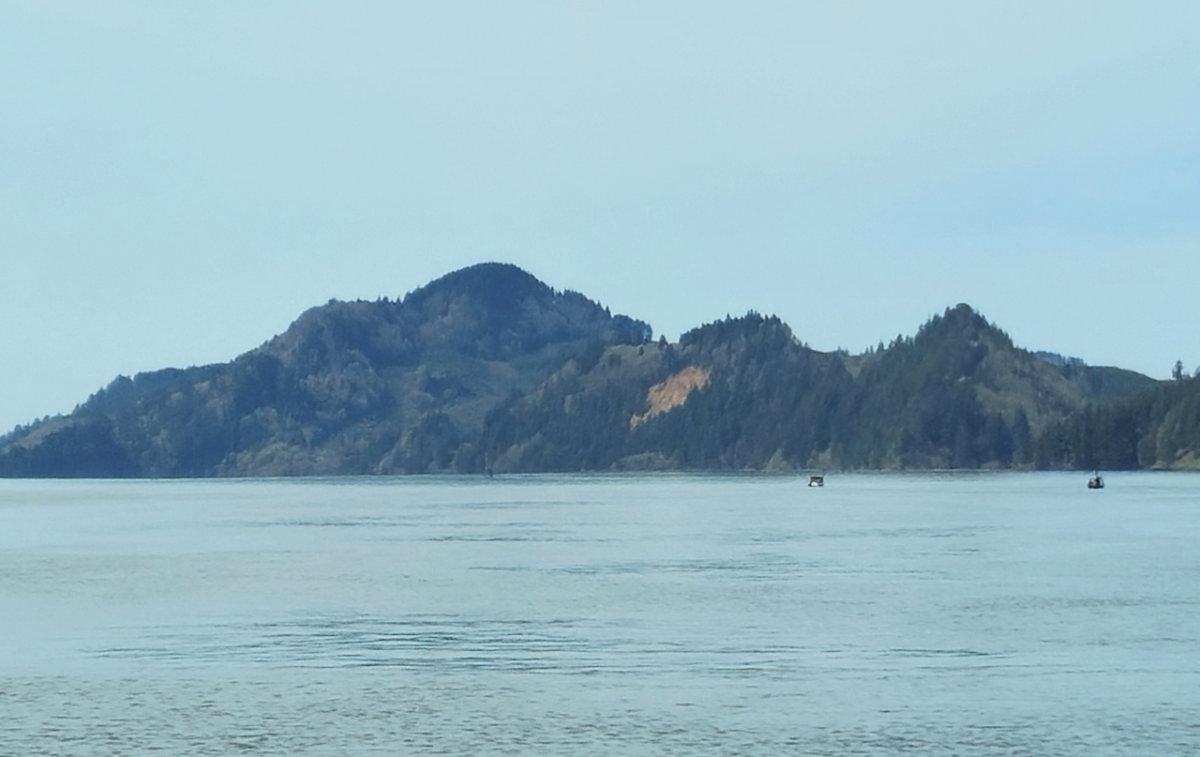
The Quinault have indicated their intent to seek a determination from the federal court in US v. Washington alleging they have a treaty right to harvest throughout Shoalwater and Willapa bays and about 60 miles up the Columbia River. Before Quinault can bring their allegations to the court, they have to hold a “meet and confer” with the US v WA parties, including Washington and treaty tribes. The meet and confer is scheduled for this Friday.
Sixty miles upstream on the Columbia corresponds to about a half mile below Lord Island near Willow Grove west of Longview and Rainier. Shoalwater Bay is a subset of Willapa Bay.
Late this afternoon, the Chinook Observer reported that the Shoalwater Tribe had been told about the Quinault move “months ago via letter.” The paper said it has “massive implications” not only for recreational and commercial salmon fisheries but also crabbing, and if it came to pass, the Chinook Indian Nation at the mouth of the Columbia “would find their long-time territory under the control of the Quinault, their traditional rivals.”
The Quinaults are based out of Taholah, at the mouth of the Quinault River, and fish that river, the Queets, Grays Harbor system and offshore waters.
A four-page March 16 letter from the nation’s Kilpatrick Townsend & Stockton law firm to Boldt parties says that QIN’s southern treaty fishing boundary has not been adjudicated or determined in court, and it includes historical arguments that its fishermen visited Willapa Bay and the lower Lower Columbia.
Referring to paragraph 25 in the momentous decision, the letter states, “Pursuant to this provision, the Quinault Indian Nation (“Quinault” and/or “Nation”) seeks to invoke the continuing jurisdiction of the Court in order to determine and declare the non-exclusive treaty and equitable rights of the Nation to harvest all species of finfish, shellfish and marine mammals in the marine waters within and throughout Shoalwater Bay and Willapa Bay, and within and throughout the waters of the Columbia River, specifically, from Peacock Spit to Oak Point, including Fort Canby, Cape Disappointment, Ilwaco, Sand Island, Chinook, McGowan, Cathlamet and Dahlia within the state of Washington.”
Tomorrow’s meeting was originally scheduled for 11 a.m. April 23 in Taholah but was moved to May 29 due to scheduling conflicts.
The letter also outlines a meeting agenda that includes:
Welcome and Introductions;
The basis for the relief sought by the Nation;
The possibility of settlement and management planning;
Identify technical issues relevant to the matter in controversy, areas of agreement and disagreement on such issues, and potential methods for developing an agreed technical basis to narrow or resolve the controversy;
Whether the parties can agree to mediation or arbitration of the issues before or in lieu of litigation; and
Closing remarks.