One step forward, two steps back.
Imagine just getting the federal approval to fire up a coveted new winter steelhead program after the old one was killed off via lawsuit settlement, but then having to scrap the whole idea because the legislature didn’t give you enough money to run the hatchery and now you also have to close the facility.
That’s the position the Washington Department of Fish and Wildlife now finds itself in as it prepares to shutter Skamania Hatchery outside Vancouver.
The situation, which almost beggars belief, was overlooked in the big news of recent days about how this year’s state budget shortfall led WDFW to the hard decision to close the hatchery and the subsequent loss of 161,000 winter and summer steelhead and cutthroat trout produced there for local river and lake fisheries.
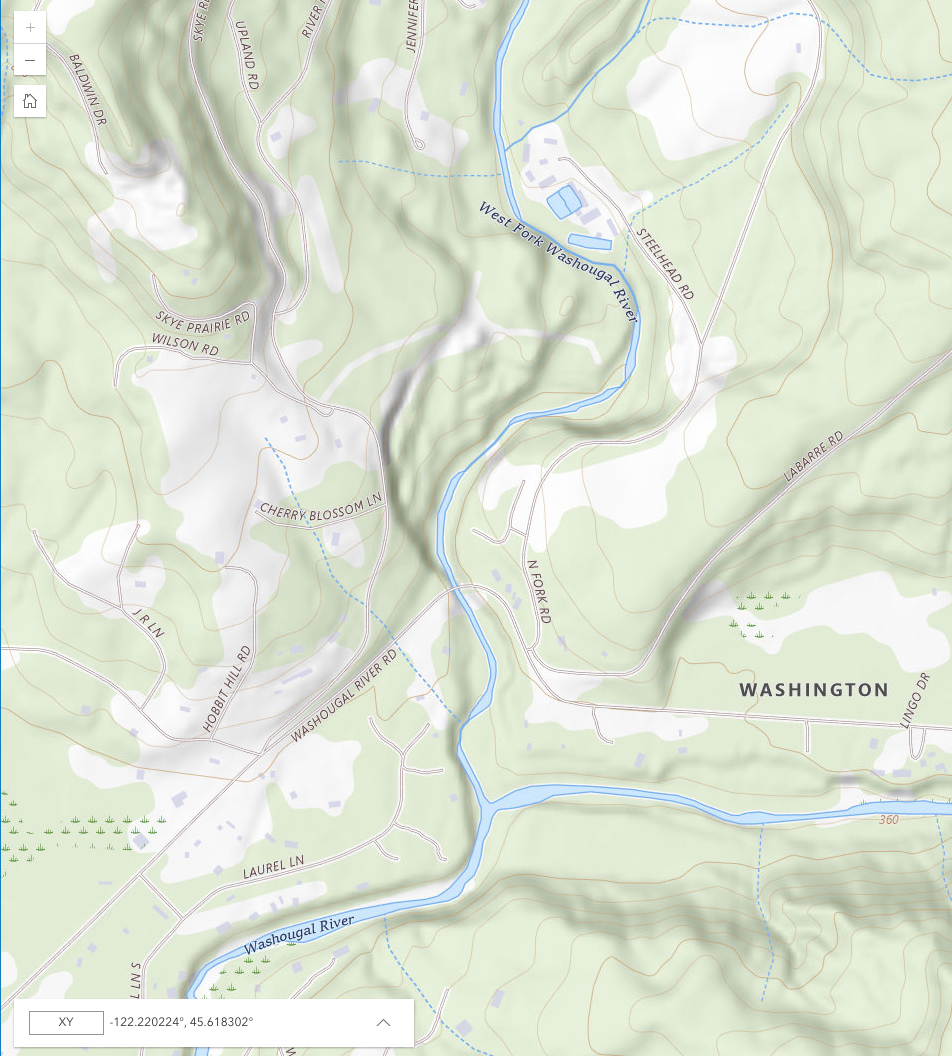
WDFW is asking state lawmakers for around $650,000 over the next three years to wind down and shift some hatchery operations at Skamania and is warning it will need another $8 million to fully decommission the facility, located at 391 Steelhead Road up the North Fork Washougal River.
But the closure will also affect the agency’s plan to begin using Washougal River natural-origin winter steelhead to kick start a new integrated broodstock program at Skamania Hatchery to produce up to 60,000 smolts annually under a hatchery genetic management plan recently approved by the National Marine Fisheries Service.
Integrated broodstock programs, which use in-basin fish instead of out-of-basin stocks like Chambers Creek early-winter-returning steelhead, are the holy grail for fishery overseers and they’re the high hope anglers increasingly find themselves leaning on at a time when production programs are being shut down or seeing releases reduced as litigious environmental groups go after alleged Endangered Species Act and other violations via low-hanging-fruit lawsuits.
This new integrated program on the Washougal was set to replace the segregated hatchery winter steelhead program that was ended in September 2024 as a result of a settlement between WDFW and the Wild Fish Conservancy of Duvall, well to the north. Last December, WDFW trucked the last batch of Washougal winter smolts – some 93,500 juvenile fish meant for release this past spring – over to Banks Lake in the northern Columbia Basin to at least get some fishing mileage out of them (or feed the walleye).
At that time, WDFW advised anglers that there would be a “gap year” between the last return of the Washougal segregated stock – the last smolt release in spring 2024 should come back mostly in winter 2025-26 with a few final ones straggling in come 2026-27 – and the arrival of the first of the new integrated stock.
That at least offered some hope that a solution was being worked on and put the onus on NMFS to review and (ideally) buy into the new program.
But now there will neither be a gap year, nor another run of hatchery winter steelhead on the Washougal River.
WDFW blames budget cuts earlier this year.
As we reported way back in June, the agency had asked state lawmakers for $1.9 million to operate both the Skamania steelhead and trout hatchery and a salmon hatchery on the North Toutle, but only received $750,000 as “one-time” funding for both as legislators dealt with a multi-billion-dollar deficit. One-time moneys aren’t baked into state budgets and must be fought for annually; the fight’s even tougher in deteriorating economic conditions.
That essentially left the new integrated program dead in the water because WDFW decided to continue operations at North Toutle and close Skamania.
“While NOAA Fisheries did approve the HGMP for the integrated winter steelhead program, and ESA coverage is in place, the significant funding shortfall and loss of Skamania Hatchery as a production site forced WDFW to terminate implementation of the integrated program,” stated Britton Ransford, a WDFW spokesman based out of the Ridgefield office, late this afternoon. “Without the Skamania facility, there is currently no available capacity at the Washougal Hatchery – or at any other facility – to support this production.”
Somehow, even though the Washougal is far from the grandest of Washington winter steelhead rivers, this is one of the most soul-crushing developments I’ve felt while chronicling the demise of the state fish and fisheries lo these recent decades. In light of the lawsuit, WDFW came up with a plan B, whipped up an HGMP, got NMFS to buy into it, and was all set to go.
Ransford said WDFW is “equally disappointed in the outcome” caused by the money crunch.
“Will continue to work with state and federal partners to request the necessary funding to operate hatcheries in Southwest Washington,” he added.
So how did WDFW choose between Skamania and North Toutle?
The “difficult choices” the agency was faced with in the wake of the legislature only funding 40 percent of what was needed for both hatcheries are fleshed out in documents recently sent to the state Office of Financial Management ahead of the development of 2026 supplemental budget proposals.
In requesting $650,000 to wind down operations at Skamania over the next three years, WDFW said it used to be able to fund the facility with federal Mitchell Act dollars, but those disbursements have been “flat for over 20 years,” even as costs have risen. Congress has provided a flat $23.5 million annually for the Columbia Basin’s several Mitchell Act hatcheries the last few years when more like $34 million is needed for maintenance and operations, according to Ransford.
Between that shortfall and another $4.4 million in cuts to hatchery operations in WDFW’s 2025-27 state budget, there was just no money available to backfill the need.
That left WDFW to draw up a list of positives and negatives for Skamania and North Toutle as it tried to figure out which to save and which to close.
Where North Toutle produces tule fall Chinook and coho that support recreational, commercial and tribal fisheries on the Pacific, Columbia River and Cowlitz River system, Skamania contributes summer and winter steelhead for harvest on the Columbia and five Southwest Washington tributaries, supports cutthroat trout fisheries at Goose and Battle Ground Lakes and Klineline Pond, and helps meet tribal fishery requirements on the Klickitat River.
WDFW also factored in recent infrastructure work at both hatcheries, impacts to staffers, how much it costs to operate the facilities, legal obligations such as US v. Oregon salmon and steelhead production, tule Chinook releases for southern resident killer whale forage, steelhead gene bank designations, and ESA compliance issues identified in a late 2024 biop from federal fishery overseers.
“Ultimately, the benefits of maintaining tule fall Chinook and coho production at North Toutle hatchery outweighed maintaining steelhead/trout production from Skamania Hatchery,” WDFW explained to OFM.
“Prioritizing North Toutle Hatchery helps maintain fish production critical to ocean and in-river fisheries, protects tribal harvest rights, and avoids costly compliance issues — while minimizing long-term costs to the state,” the agency stated in an explainer on the situation.
So now WDFW’s plan calls for production of summer steelhead being reared at Skamania for release into the Washougal, Klickitat, South Fork Toutle and Elochoman Rivers to be shifted and split between the Washougal and Beaver Creek Hatcheries. Current production levels for the Klickitat (90,000), South Fork (25,000) and Elochoman (30,000) Rivers will be maintained, while for the Washougal it will be reduced by 45,000 fish to 25,000.
But at least Washougal summer steelheaders will still have some fish coming back for harvest.
Winter anglers there will take it in the shorts even harder because after watching their smolts get trucked off to Banks Lake late last year, now they won’t even have a new integrated broodstock program to look forward to in the coming ones.
Lawmakers would need to pony up $667,000 to keep Skamania operational, and $2.17 million to keep it and North Toutle open in the 2027-29 budget biennium.
That’s not what WDFW is asking for from state lawmakers next year, however.
Citing the “necessity of exercising fiscal restraint this year considering falling revenue forecasts, rising caseload costs, shifting federal impacts, and increasing tort liabilities,” Director Kelly Susewind told OFM his agency was submitting its “smallest” supplemental budget request since 2018 and advised it has been forced to close Skamania as a result of budget reductions passed last spring. The money he asked for was to begin buttoning it up.