THE FOLLOWING IS A WASHINGTON DEPARTMENT OF FISH AND WILDLIFE PRESS RELEASE
The Washington Department of Fish and Wildlife (WDFW), in coordination with the Cowlitz Indian Tribe, U.S. Forest Service, and conservation partners, have reintroduced spring Chinook salmon into the upper North Fork Toutle River watershed within the Mount St. Helens National Volcanic Monument for the first time since the 1980 volcanic eruption.
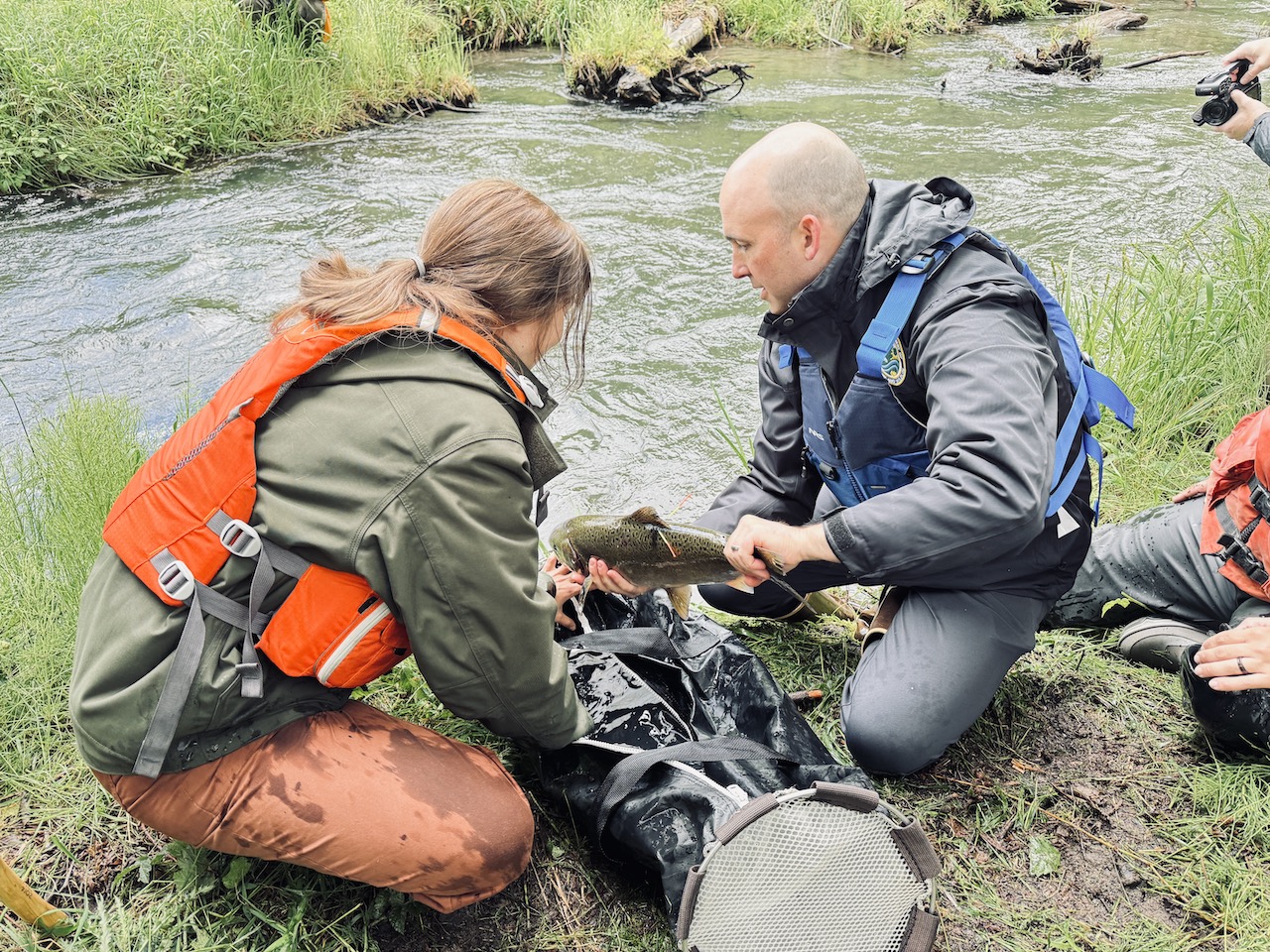
In June, WDFW and project partners released 30 hatchery-origin adult spring Chinook salmon into South Fork Coldwater Creek, a tributary of the North Fork Toutle River. The release marks a major milestone in the North Fork Toutle River Fish Passage and Reintroduction Plan, a strategy developed by WDFW and the Wild Salmon Center to expand salmon and steelhead access to historic spawning and rearing habitat in the upper watershed.
“This project represents one of the largest salmon recovery opportunities in the lower Columbia River basin,” said Thomas Buehrens, a WDFW research scientist. “After more than four decades of natural recovery and restoration work, areas of the upper Toutle River watershed now provide the habitat conditions needed to reintroduce Chinook salmon to their historic range.”
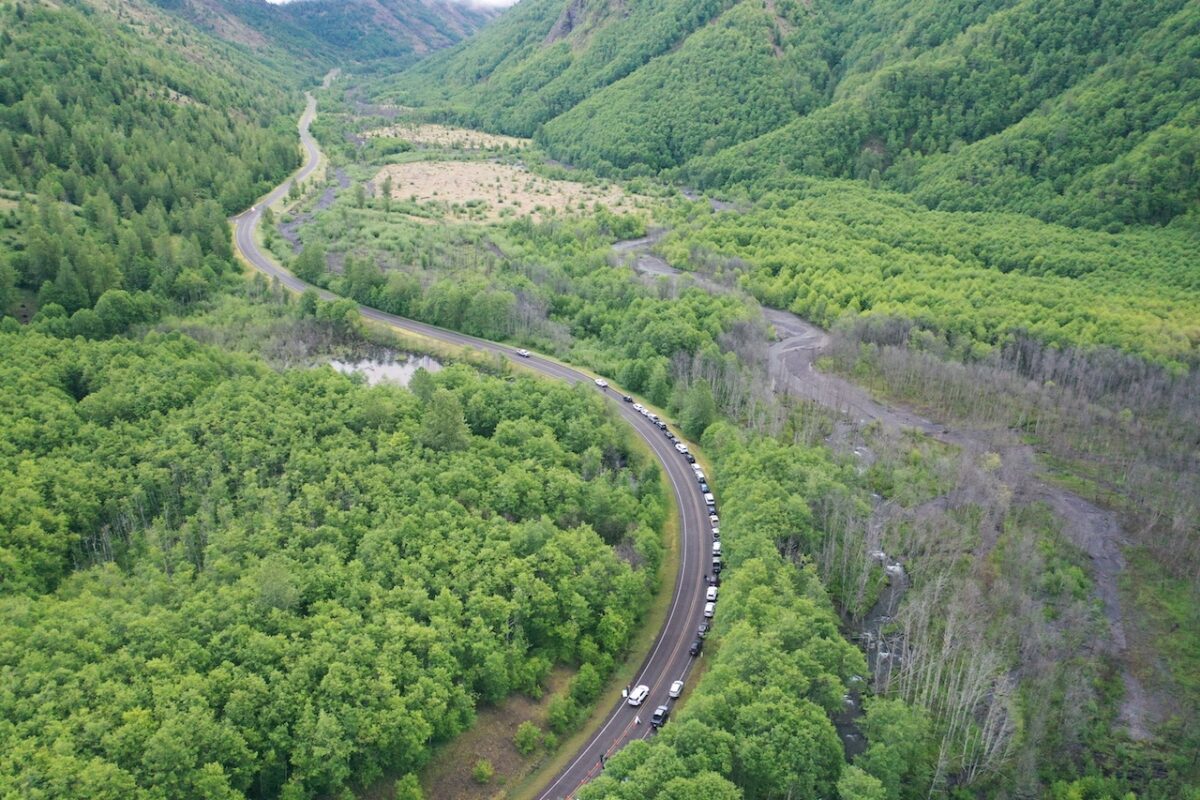
The eruption of Mount St. Helens dramatically altered the upper Toutle River watershed, which historically supported abundant populations of spring and fall Chinook, coho salmon, and winter steelhead. Volcanic debris and sediment buried stream and floodplain habitat, reducing or eliminating naturally returning salmon and steelhead populations in the area.

In 1989, the U.S. Army Corps of Engineers completed construction of the Sediment Retention Structure (SRS) in the North Fork Toutle River. The SRS is a large sediment control structure designed to trap volcanic sediment and reduce downstream flood risks. While the SRS continues to protect downstream communities and infrastructure, it also limits upstream fish passage.
Because adult salmon cannot easily pass the SRS, reintroduction efforts rely on trap and haul operations. WDFW collects returning adult salmon at the Toutle Fish Collection Facility downstream of the SRS, transports them upstream, and releases them into suitable spawning habitat. Juvenile salmon produced in the upper watershed are able to migrate downstream past the SRS to the ocean.
“Our long-term goal is to restore more natural fish passage throughout the watershed while maintaining the flood protection benefits provided by the SRS,” said Buehrens. “Trap and haul operations provide a proven and practical path to begin rebuilding salmon and steelhead populations now and establish a foundation for recovery while project partners evaluate future fish passage solutions.”
WDFW plans to release up to 600 hatchery-origin adult Chinook — 300 spring Chinook and 300 fall Chinook — annually in the upper watershed. WDFW initiated Chinook reintroductions above the SRS in 2025, with the 2026 releases extending those efforts into the Mount St. Helens National Volcanic Monument. Coho and winter steelhead have previously been reintroduced above the SRS.

“The reintroduction of Chinook salmon to these waters is incredibly meaningful to the Cowlitz Indian Tribe,” said William (Bill) Iyall, Chairman of the Cowlitz Indian Tribe. ”Salmon have sustained our people culturally, spiritually, and physically, and their return reflects our commitment to caring for the rivers and ecosystems that sustain us all. This was a powerful example of what can be accomplished through partnership and stewardship.”
The plan is expected to benefit multiple salmon and steelhead populations, including several protected under the federal Endangered Species Act. Over time, improved watershed connectivity will also benefit other native fish species such as sea-run cutthroat trout.
Funding for this work is currently supported through the Pacific Salmon Commission Southern Fund, along with state and federal fisheries and habitat programs and partner contributions. This funding supports reintroduction efforts and the monitoring of fish movement, spawning success, and habitat conditions to inform future phases of fish passage and recovery planning.
“The Mount St. Helens National Volcanic Monument was established to support research, education, and recreation in the heart of the eruption impact area,” said Donald Brown, a research ecologist and lead scientist for Mount St. Helens with the U.S. Forest Service. “We worked with WDFW, the Cowlitz Indian Tribe, and several regional universities to initiate a research effort to study ecosystem changes associated with the salmon reintroduction initiative.
“This collaboration demonstrates the synergy of management and science communities when we work together to support restoration and recovery of natural systems.”
Learn more about fish passage and WDFW’s efforts to expand access to habitat for salmon, steelhead, and other native fish at wdfw.wa.gov/species-habitats/habitat-recovery/fish-passage.
The North Fork Toutle River above the Toutle Fish Collection Facility is closed to fishing under permanent rules. Anglers should review the Washington Sport Fishing Rules pamphlet or Fish Washington® mobile app for regulations and check the emergency rule changes before fishing.