


BY ANDY WALGAMOTT, NORTHWEST SPORTSMAN MAGAZINE
A new five-year strategic plan from the US Department of the Interior that calls for selling off public lands is drawing immediate pushback from sportsmen as well as across the aisle in Congress.
DOI wants to “work to decrease the size of the federal estate by offering to states, localities and Tribes the opportunity to purchase federal lands” so as to “focus its resources on … nationally significant federal lands,” according to the 28-page 2026-30 plan posted yesterday.
Considered a “seismic shift” in the department’s mission, it wasn’t immediately clear what constituted “nationally significant” public ground, but DOI oversees the Bureau of Land Management, US Fish and Wildlife Service, National Park Service and Bureau of Reclamation, which together comprise 500 million acres of land, nor was it clear what “localities” might mean – counties, cities or other small government agencies?
But following on last year’s defeat of a Utah Republican senator’s attempt to force the sale of up to 1.2 million acres of BLM and US Forest Service ground, there’s a ready-built resistance to the general idea.
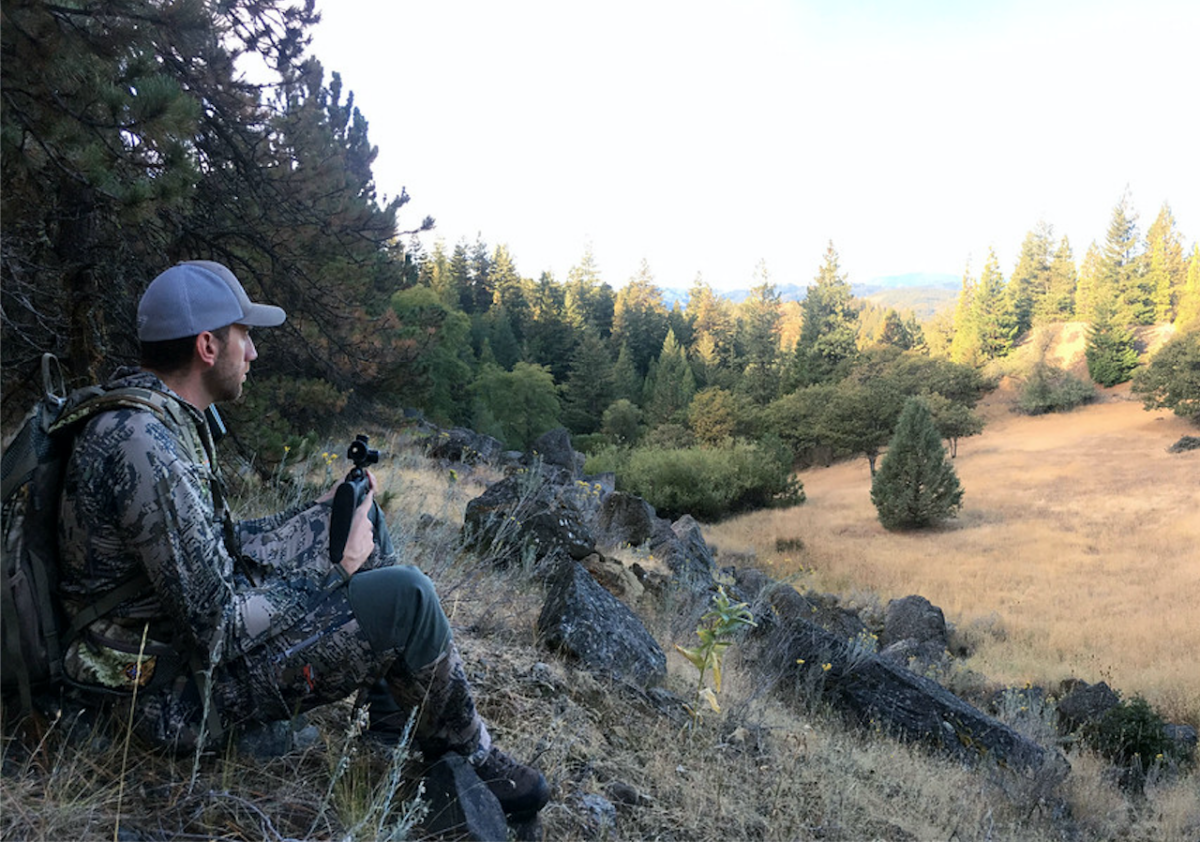
“From a hunting and angling perspective, we love the places that are not of national significance,” Backcountry Hunters and Anglers president Ryan Callaghan told Outdoor Life for a story out this afternoon. “Because they don’t have a big spotlight on them, and that’s where we go to hunt and fish.”
The argument against selling to the states or local authorities is that they may just turn around and sell them off instead of steward them for continued public access and recreation, not to mention protecting the land as fish and wildlife habitat.
While the plan comes from current Trump Administration DOI Secretary Doug Burgum, a previous Trump Administration Interior secretary, Ryan Zinke, who is now a Montana US Representative, immediately came out against the sell-off.
Zinke “remains firmly opposed to the sale or transfer of public lands,” according to a statement from his office reported by Matthew Brown of the Associated Press, and what’s more, the Republican would vote against it should it come up for a vote before his term ends in January 2027.
Whether or not the release of DOI’s strategic plan was strategically held until after last week’s election is hard to say, but Democrats, who will have majorities in both chambers of Congress next year, vowed to keep public lands public.
“Americans love their public lands and sent a clear message last week: the Trump Administration’s schemes to auction off our treasured resources and silence opposition must stop now. Democrats in Congress are going to deliver,” California Representative Jared Huffman told AP.
According to DOI’s plan, a “portion” of the money from selling off public land would be “go back to the purchasing entities to use for conservation purposes elsewhere in the state, locality or Tribal land, leading to improved recreation access for American citizens, while at the same time decreasing the federal taxpayer’s financial responsibility to manage federal lands.”
Ironically, in an introductory letter to his strategic plan, Burgum notes, “Our public land and resources belong to the people, and their sustainable use supports their communities.”
“Timber, grazing, geothermal energy, hydropower, outdoor recreation, hunting and fishing, mining, oil and gas and more contribute mightily to every facet of American life,” he continues. “As President Theodore Roosevelt, who helped shape and define our department, explained: ‘Conservation means development as much as it does protection.'”
As Outdoor Life points out, the rest of that Roosevelt quote from 1910 paints a far different picture:
“I recognize the right and duty of this generation to develop and use the natural resources of our land; but I do not recognize the right to waste them, or to rob, by wasteful use, the generations that come after us,” Roosevelt concluded.
Burgum also stressed turning “electricity into intelligence,” a reference to AI and data centers and the push to build them on public land.
Elsewhere in DOI’s strategic plan, Land and Water Conservation Funds would be redirected from purchasing land into the public sphere to entering into “access easements on privately owned lands” so as to “ensure that the federal estate does not continue to grow while at the same time increasing recreation access for the American public.”