BY ANDY WALGAMOTT, NORTHWEST SPORTSMAN MAGAZINE
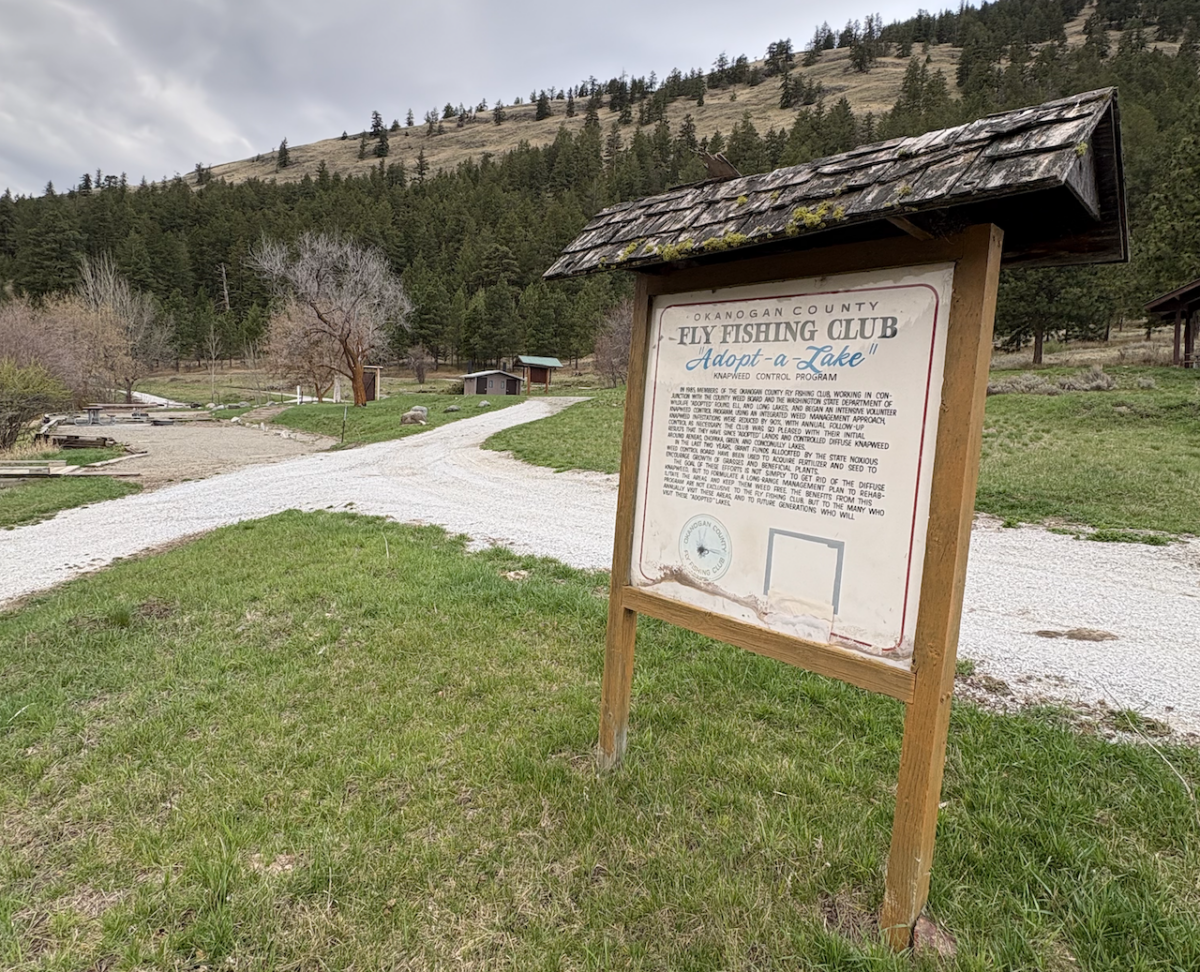
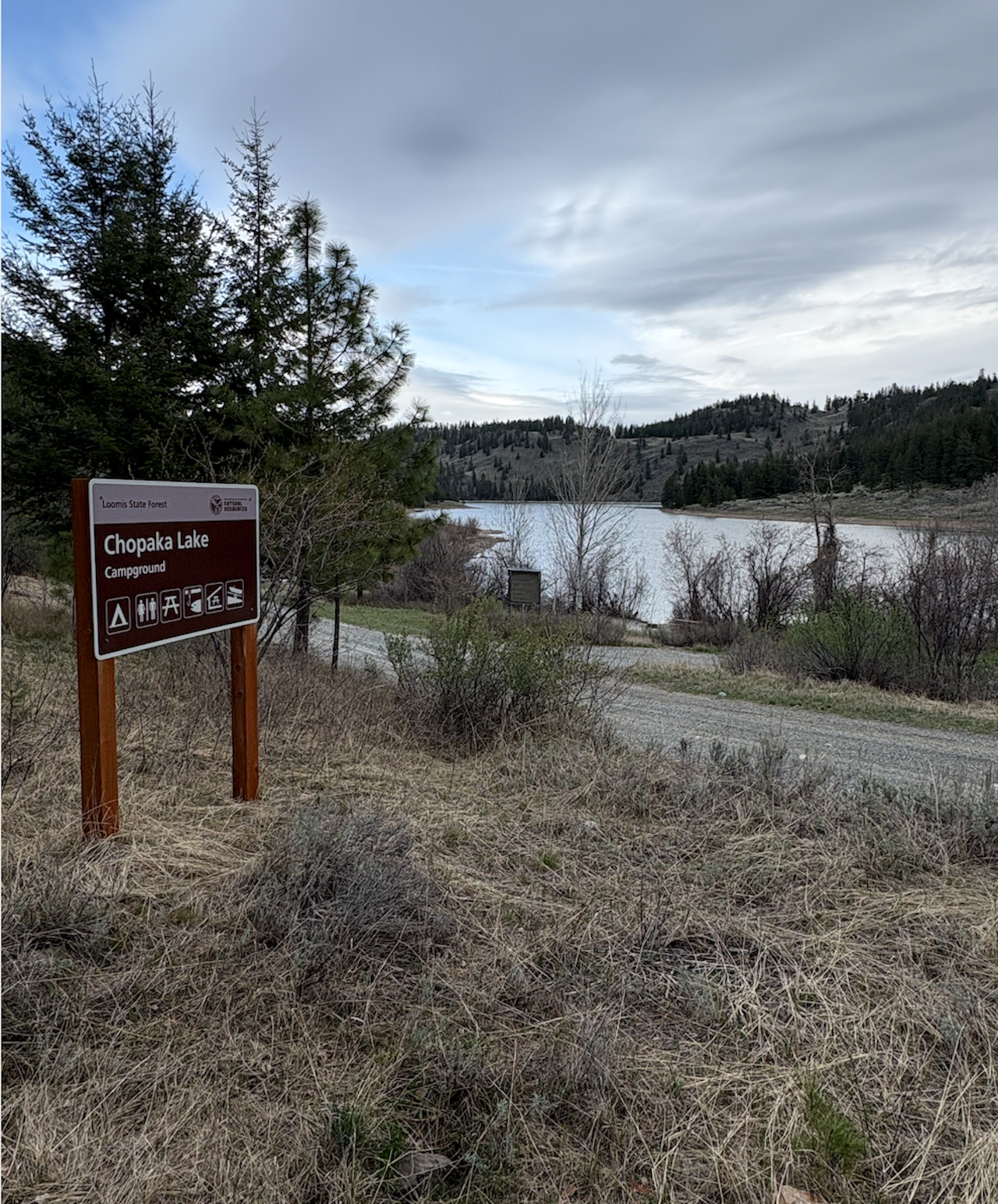
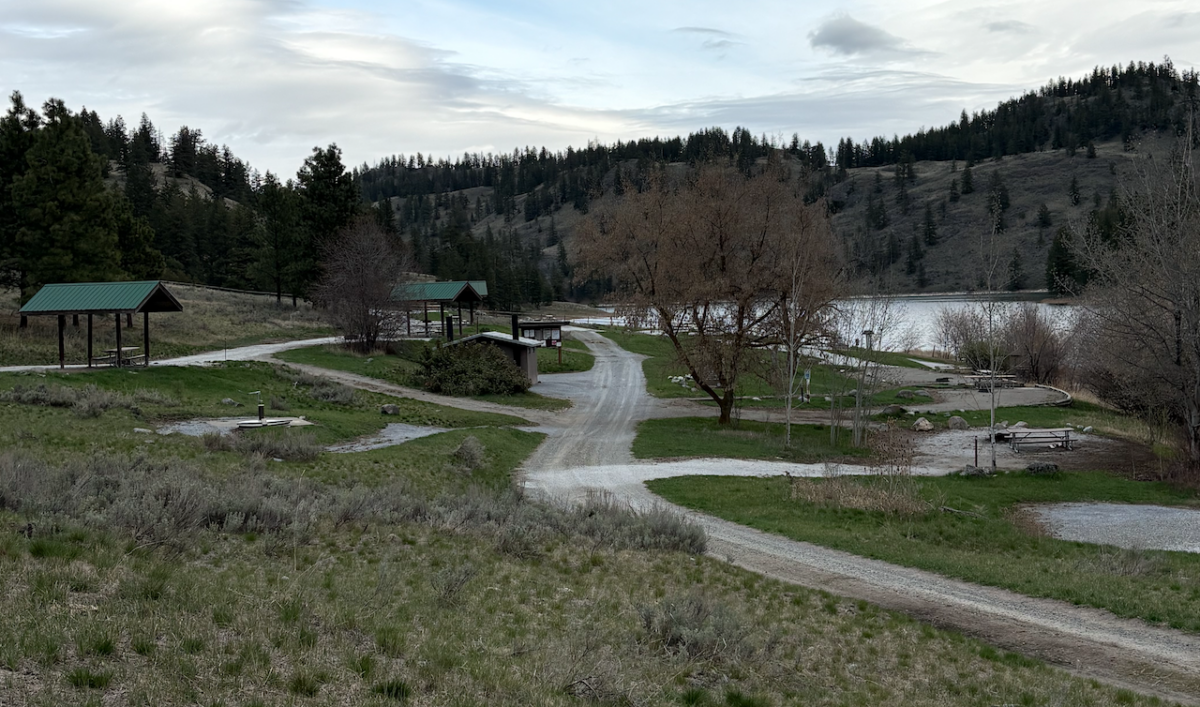
The state campground at Chopaka Lake will stay open after all, a relief for flyrodders who strongly urged the Washington Department of Natural Resources to keep the facility at the destination Okanogan County trout water open in the face of continued budget cuts.
But other DNR sites around the state will see a range of impacts up to full closures as agency managers today laid out how they will deal with the loss of $580,000 in recreational lands maintenance funding coming out of this year’s legislative session.
“The final budget came in less severe than earlier proposals, so we’re able to avoid some closures for now,” said Commissioner of Public Lands Dave Upthegrove in a DNR press release. “Even so, these cuts move us in the wrong direction. At a time when more people than ever are relying on our public lands, we should be expanding recreation access, not reducing it. I’m ready to work with legislators to find solutions that meet that need.”
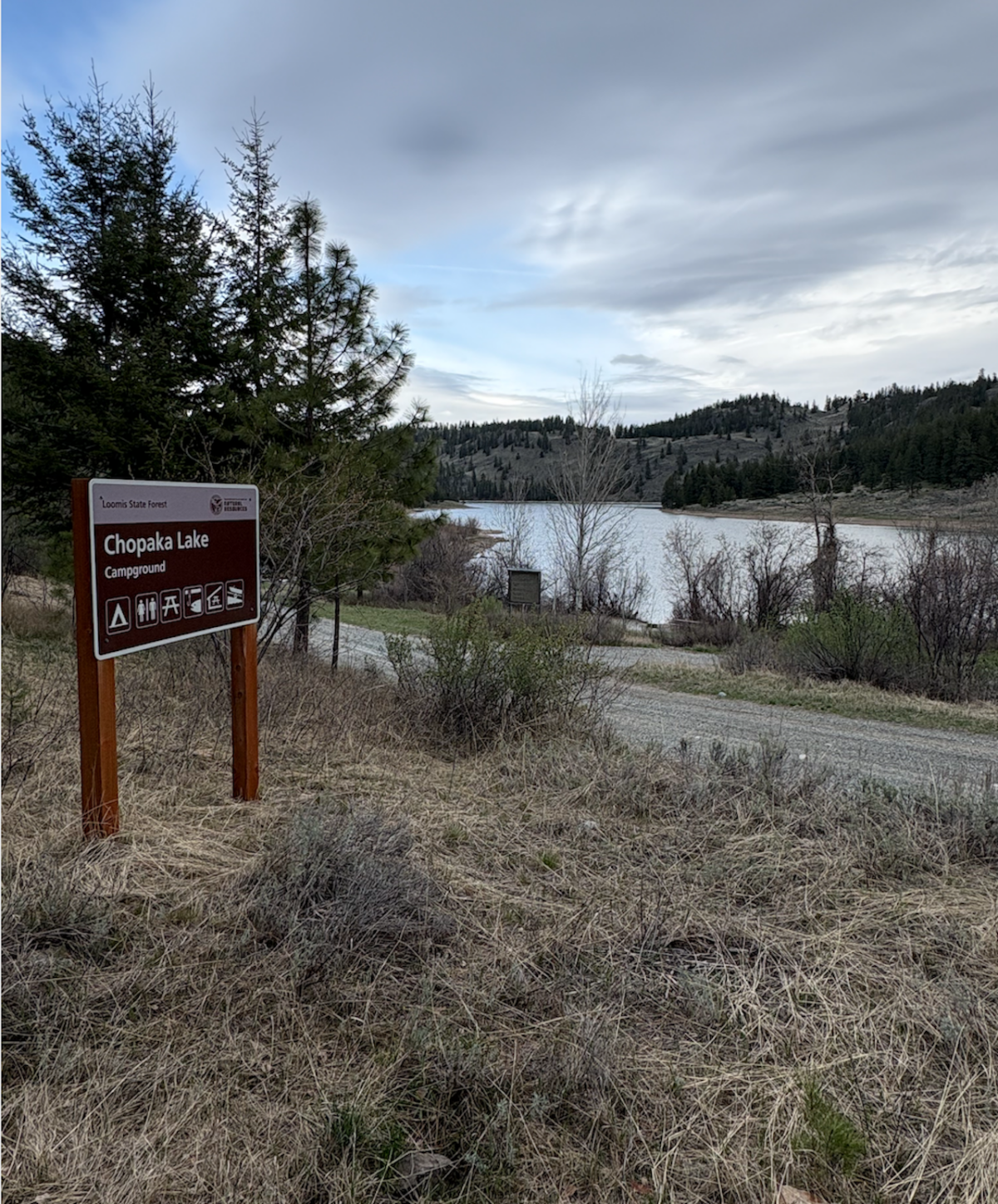
While anglers and others will be able to set up camp at Chopaka this spring, several other DNR campgrounds will see full closures in 2026, including Anderson Lake near Elbe, Rock Lakes near Conconully and Upper Clearwater near Forks.
Twenty-nine Pines near Cle Elum, Bear Creek near Forks, Dougan Creek near Washougal, Island near Glenwood, Lyre River near Port Angeles and Winston Creek near Mossyrock will also see reduced camping seasons or other service cuts.
In making their assessments at what to keep open, where to reduce maintenance and what to close, DNR looked at how “operationally expensive” sites were to operate based on usage, travel distance for staffers, and capacity issues intersecting with storm damage.
“Chopaka Lake will remain open for the year,” confirmed spokeswoman Courtney James late this morning. “DNR heard a lot of feedback – including from the angler community – and worked internally to prioritize resources when making the final decisions about service reductions. The campground will remain open; however, members of the public will likely see reduced levels of maintenance across the board.”
The full list of final DNR recreational impacts is available here.
This year’s DNR Recreation Program budget cut follows on a 20 percent reduction last year, and added together they amount to an $8-plus million hit inside of two years’ time. Even in a state as outdoor-oriented as Washington, natural resource agencies struggle for funding in good times, and when there’s a downturn, it gets even harder.
WDFW saw lands maintenance cuts as well from lawmakers, and last week agency staffers warned Fish and Wildlife Commission members that “another hard session for WDFW” was on its way in 2027. Commissioners have been brainstorming how to increase funding for WDFW’s varied missions, and while some have looked enviously at Oregon’s new 1.25 percent lodging tax increase for wildlife, other members haven’t been so keen on bringing it to Washington, pointing to the potential turnoff in terms of visits to rural motels.