



BY ANDY WALGAMOTT, NORTHWEST SPORTSMAN MAGAZINE
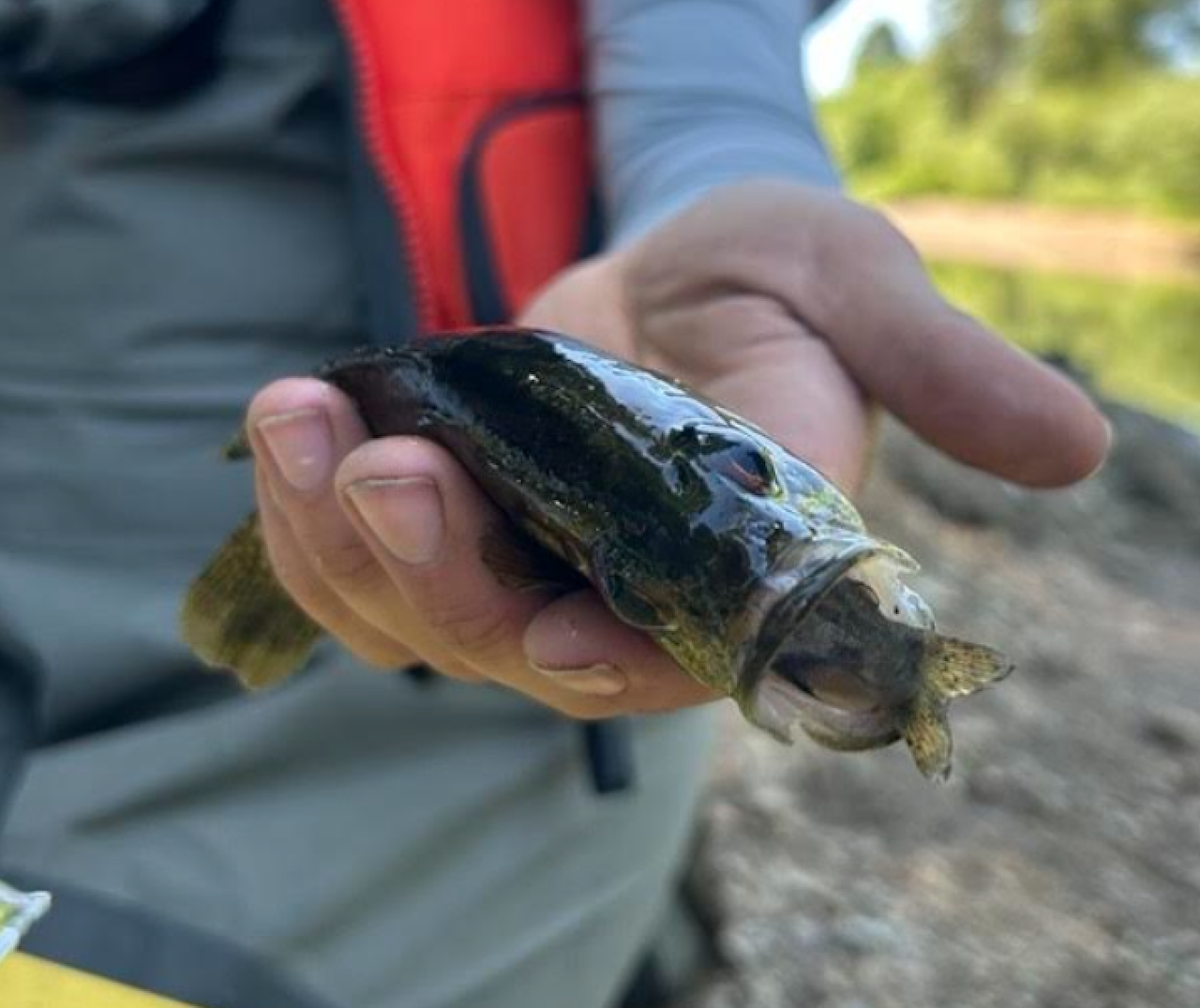
WDFW will run a pilot suppression study on three species of bass in Grays Harbor’s Chehalis River this spring to see if it can help reduce Chinook smolt predation there.
They’ll be electroshocking in the 10 miles of the river around Centralia and Chehalis, where summer water temperatures present a persistent core of optimal habitat for smallmouth, largemouth and rock bass.
These three nonnative species now represent the vast majority of the four main predatory fish species in the river system, having replaced native northern pikeminnow in that role since 2007, and managers are particularly concerned about their consumption of young Chinook.
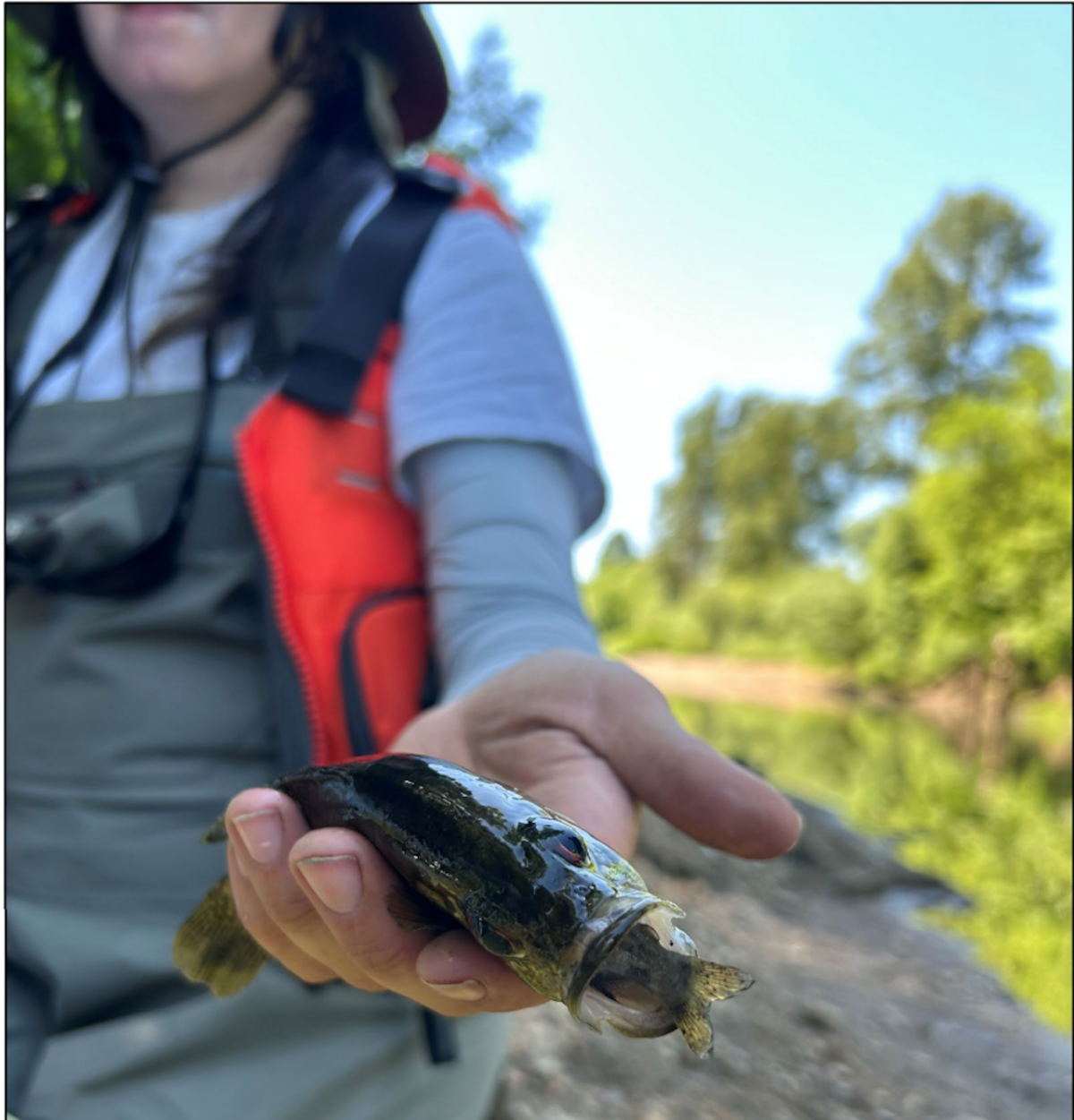
This new study follows on tagging and tracking work with 120 smallmouth in 2024 and 2025 and stomach sampling performed in 2021 and 2022. According to preliminary estimates shared by a WDFW biologist in a Chehalis Basin Board presentation last month, Chinook represented 15 percent of the diet of smallies, and 41 percent of sampled bronzebacks’ stomachs contained the important salmon species.
The average smallmouth had eaten six Chinook when sampled, but one had a king-sized meal of 17 of them.
Chinook were also found in 34 percent of largemouth bellies, 19 percent of rock bass.
Chinook predation was highest in years of low, warm flows and high smolt abundance, lower in the opposite conditions, researchers found. Warmer waters typically turbocharge the activity and metabolism of warmwater species such as bass, driving predation up. Very roughly speaking, the percentage of optimal habitat for smallmouth has increased from 1 to 8 percent of the Chehalis between the late 1980s and 2015 to 3 to 13 percent since then, according to that presentation.
Other native species such as prickly sculpin, largescale sucker, signal crayfish and caddisflies generally represented larger percentage of bass diets than Chinook, and the basses also fed on each other as well as pikeminnows. In comparison, coho comprised just 2 to 3 percent of their meals in the summer study periods, perhaps due to their lower abundance at that time and place and larger size than Chinook.
Rock bass are suddenly everywhere – their numbers have exploded in Lake Washington – and they made up 60 percent of the fish predators in the Chehalis, followed by smallmouth at around 20 to 25 percent, northern pikeminnow at 13 to 15 percent and largemouth at 1 percent or so.
But it is the smallies that worry researchers the most.
“Our findings underscore the known threat of smallmouth bass to Pacific salmon conservation and recovery, while also highlighting broader ecological impacts from a growing number of other nonnative gamefish,” wrote John J. Winkowski and Lisa M. Crosson of WDFW and Julian D. Olden of the University of Washington School of Aquatic and Fishery Sciences in a paper published last December. “Moreover, smallmouth bass consumed Chinook salmon more frequently and at smaller body sizes than those typically considered in previous regional diet analyses.”
There’s a place for bass in the Northwest, but rain-dependent coastal Chinook rivers ain’t it.
In Oregon, state and tribal managers have been culling smallmouth from the Coquille River near Bandon after determining they were a major reason for fall king declines. As of last summer, almost 40,000 smallies had been removed from the river.
Back on the Chehalis, WDFW plans to use electroshocking to remove bass on the mainstem between the mouths of the Newaukum and Skookumchuck Rivers and then estimate what reductions in their abundance would translate to in terms of Chinook consumption.
A story in The Chronicle of Centralia reported that back-of-the-napkin estimates found that 1,000 smallmouth in the Chehalis around the Twin Cities would eat 35,000 to 75,000 Chinook smolts over a two-month period, reducing adult returns several years later by 750 to 1,500 kings.
“The impact is especially significant” for spring Chinook, the paper added.
There hasn’t been a springer season in the Chehalis since 2018, and game fishing seasons have also been curtailed in some years to reduce incidental angling encounters with the run.
Biologists do acknowledge there can be a “Whac-a-mole” effect in trying to suppress nonnative fish, as the sheer complexity of systems can cancel out any benefits.
Still, Trout Unlimited will be paying keen attention. The organization has been restoring habitat in the Newaukum, but the river’s mouth being such a “hotspot for bass,” per WDFW studies, may be reducing those benefits, according to Alexei Calambokidis, TU’s Washington policy director.
As a member of the Washington State Invasive Species Council, Calambokidis has been pushing for “more comprehensive and stronger management of invasive species,” as well as the funding needed for that work, he says.
“Bass are especially of concern because of their pervasiveness, high consumption of salmon and steelhead smolts, and the fact that they get far less attention than other pressures on salmon and steelhead populations like fisheries, habitat or dams,” he said. “Zeroing in on bass in the Chehalis – it’s a major unaddressed cut in a system that is already struggling especially for Chinook and steelhead.”
